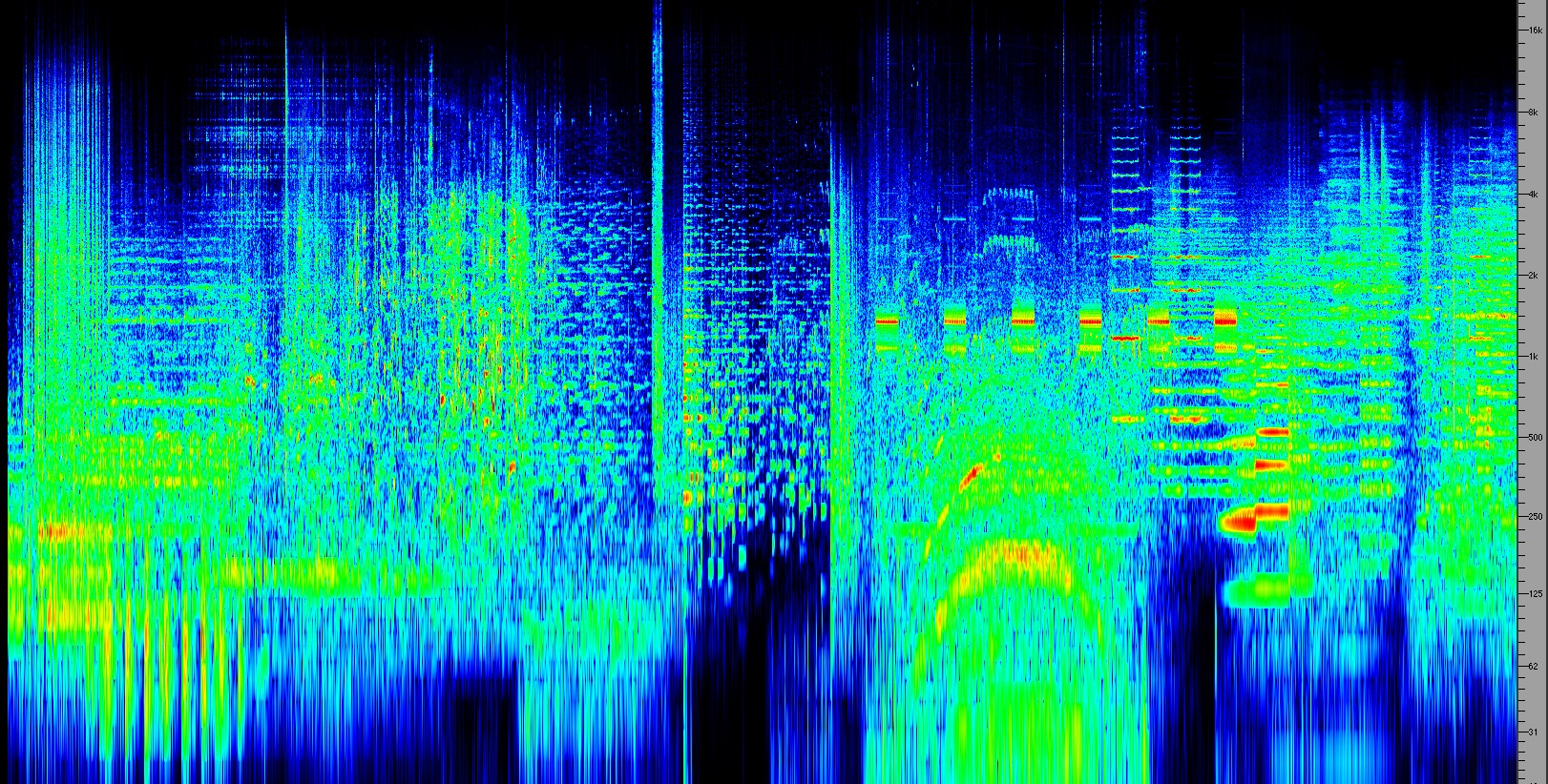
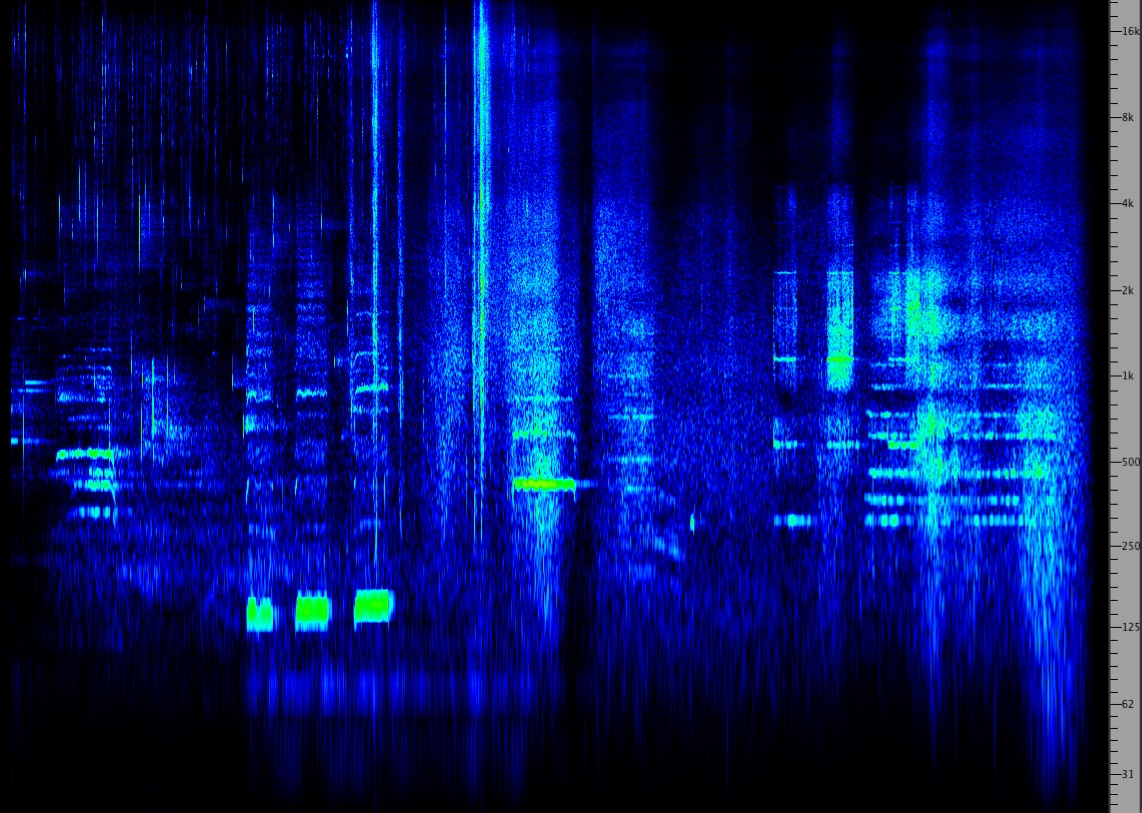
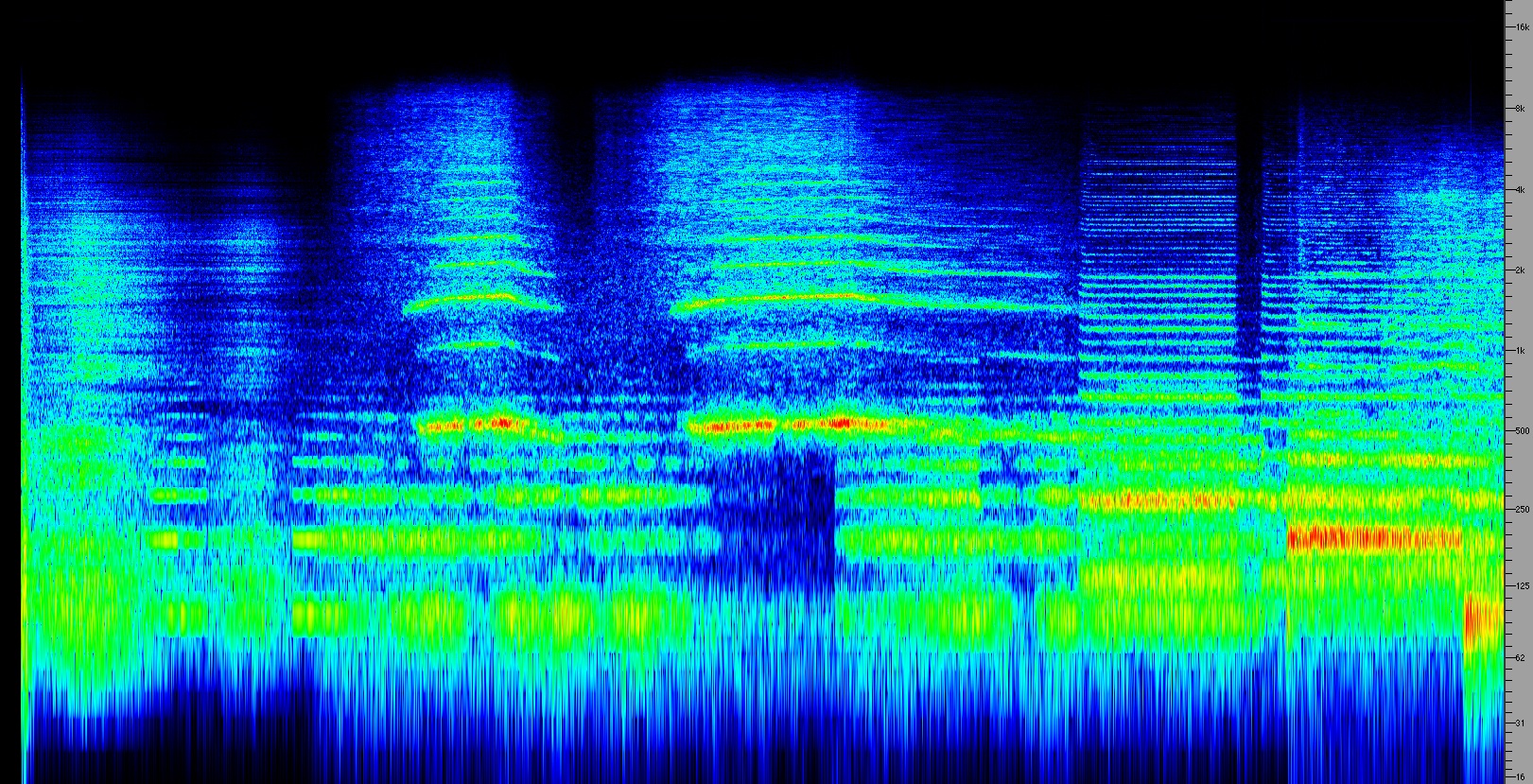
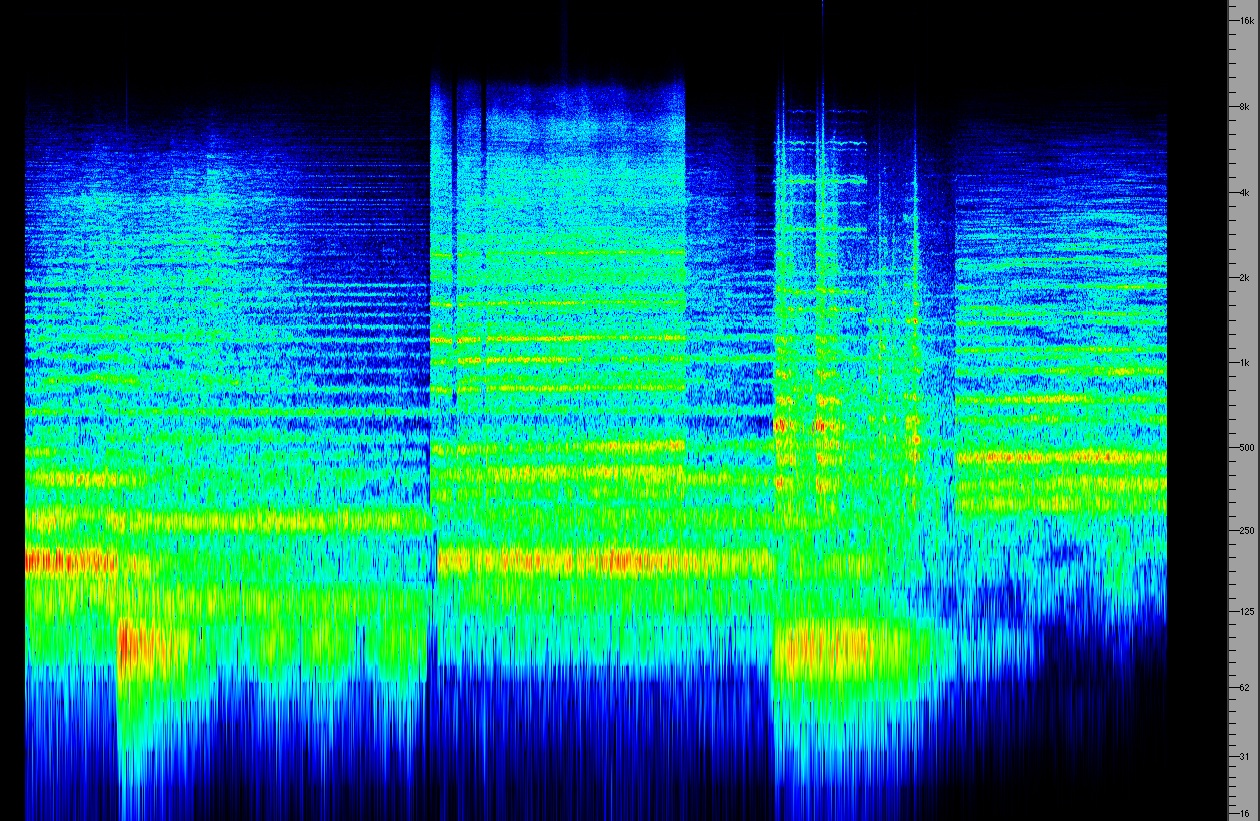
Several recent soundscape compositions may be
heard on the Soundscape
Vancouver double CD,
including Pacific Fanfare, and the CD Islands, including Dominion, Pendlerdrøm,
La Sera di Benevento, and
Island. Other Truax
works in this genre are Pacific,
Basilica, Temple, Prospero's Voyage,
and Chalice Well, and
those integrating text and soundscape material such as The
Blind Man and Song of Songs. All of the works of
Hildegard Westerkamp are excellent examples of this
approach to composition. See her website:
www.sfu.ca/~westerka/
The octophonic (8-channel) format with surround-sound speaker playback has proved particularly effective for soundscape compositions, given the immersive effect it creates. A list of works produced at SFU is available in our octophonic catalogue: www.sfu.ca/~truax/octo.html
- Listener recognizability of the source material is maintained
- Listener's knowledge of the environmental and psychological context is invoked
- Composer's knowledge of the environmental and psychological context influences the shape of the composition at every level
- The work enhances our understanding of the world and its influence carries over into everyday perceptual habits
RANGE OF APPROACHES
found sound <--------------> abstracted
FIXED PERSPECTIVE: emphasizing the flow of time, or a discrete series of fixed perspectives
Variants: time compression ; narrative ; oral history
Techniques:
- layering in stereo ; layering in octophonic
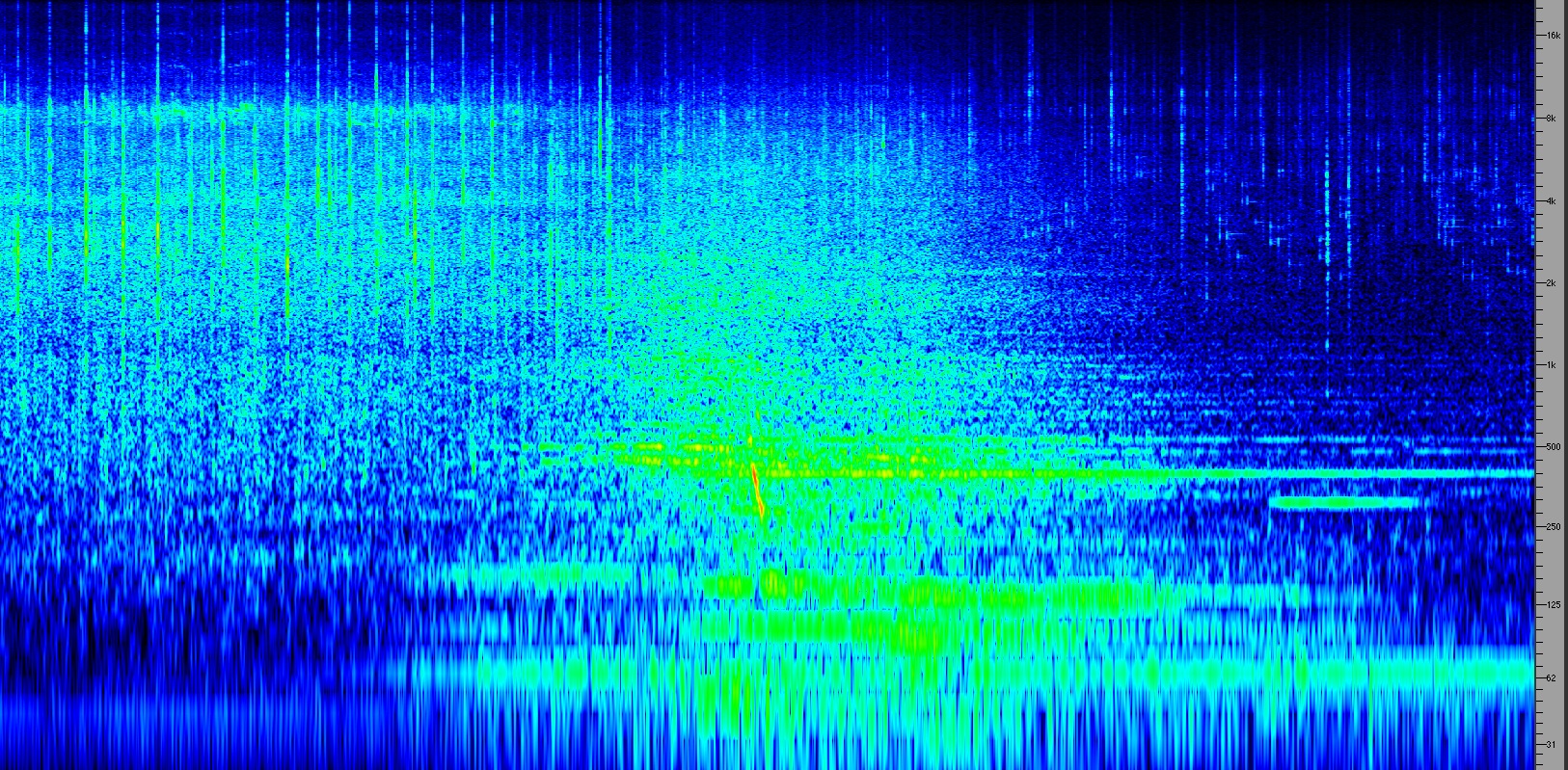
Vancouver harbour ambience

New Year's Eve, Vancouver harbour, 1980-81
12 midnight to 8 am, from Soundscapes of Canada
- narrative ; poetry ; oral history
Barry Truax, Prospero's Voyage
Bruce Davis, Bells of Percé (opening), from Soundscapes of Canada
- transitions between fixed perspectives
Hildegard Westerkamp, Talking Rain (two transitions)
MOVING PERSPECTIVE: smoothly connected space/time flow; a journey
Variants: simulated motion ; real <-----> imaginary / remembered
Techniques:
- classical cross-fade and reverb
- parallel circuit cross-fade (i.e. mixing multiple copies of a sound with the original, each processed differently)
Barry Truax, The Blind Man (transition from the Salzburg bells)
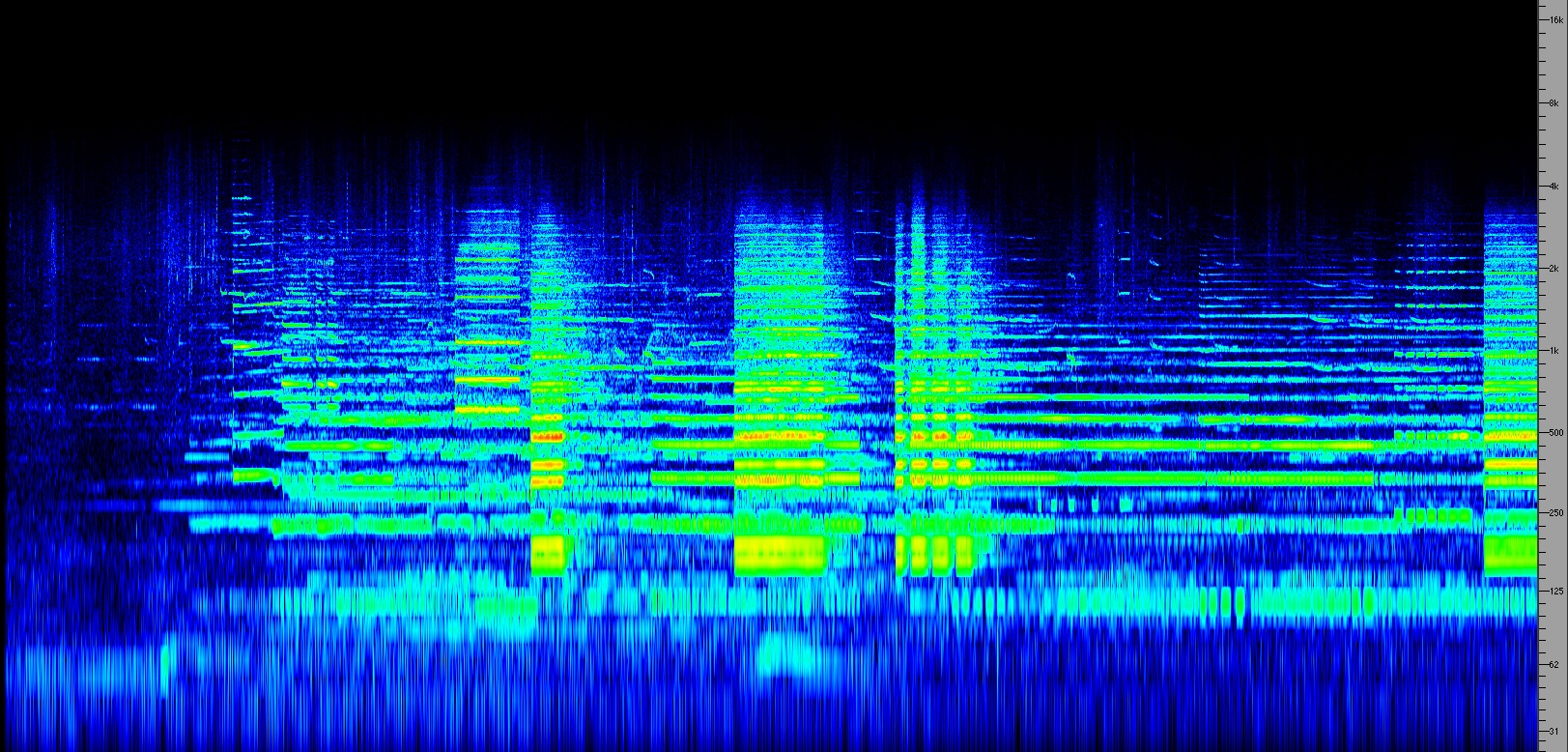
- layering part and wholeBarry Truax: La Sera di Benevento
(guess which elements of the train sound were isolated and separately processed - there are two!)
- layering untransformed and transformed
Anne Holmes: Wood on Wood on Water
VARIABLE PERSPECTIVE: discontinuous space/time flowVariants: multiple or embedded perspectives ; abstracted / symbolic
Techniques:
- multi-track editing
- "schizophonic" embedding- abstracted perspective
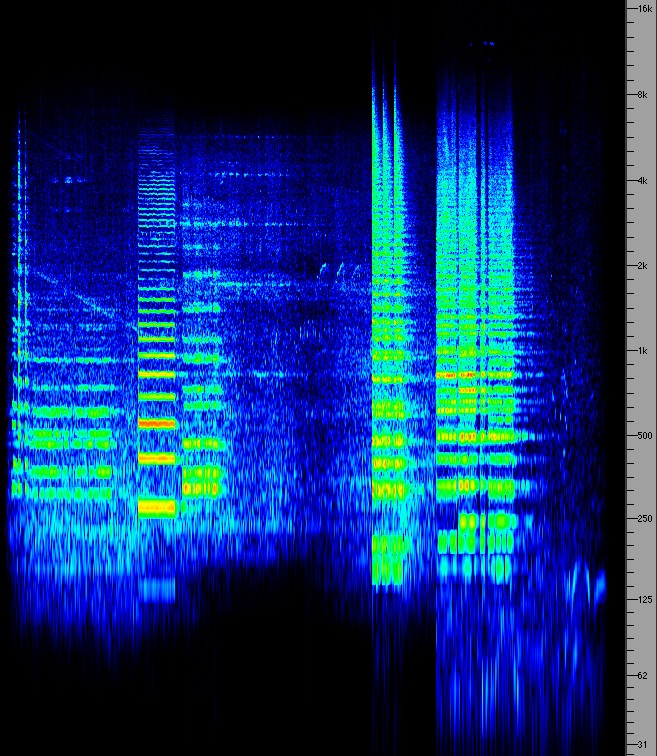
Barry Truax, Pacific Fanfare
Claude Schryer, Fire, from Vancouver Soundscape Revisited
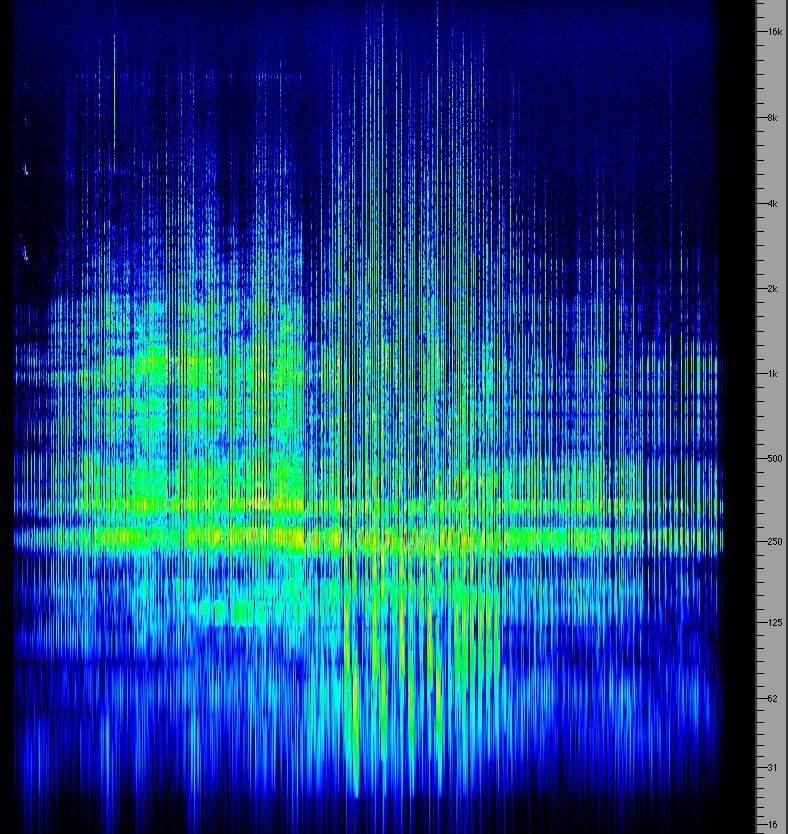
Claude Schryer, Noise, from Vancouver Soundscape Revisited
Hans Ulrich Werner, Vanscape Motion