Research Spotlight: Hong Kong Culture
My research on Hong Kong culture has focussed on film and media in the 1990s-2000s, a politically and culturally volatile period during which sovereignty was transferred from British to Chinese governance. There are three main intellectual influences on my work: Queer and Trans Studies inspires me to explore expressions of gender and sexuality beyond identity and normative categories; Sinophone Studies leads me to approach Cantonese, the language of cinema and media in Hong Kong, not as a “dialect” but a Sinophone language in its own right with its own distinctive aesthetics and political significance; Inter-Asia Cultural Studies both sharpens my focus on local dynamics and at the same time expands my perspective to understand Hong Kong in relation to local phenomena elsewhere in Asia.
Featured Articles
Notes Towards the Queer Asian City: Singapore and Hong KongIn this article, co-written with Audrey Yue, we challenge the specifically North American and European paradigms and debates on the “queer city” and formulate a different theoretical framework to understand the rise of the queer Asian city. Providing case studies on Singapore and Hong Kong, and deploying an inter-disciplinary approach including critical creative industrial studies and cultural studies, we examine the intersections across the practices of gay clusters, urban renewal and social movement. We examine whether queer Asian sexual cultures are characterised by disjunctive modernities and how such modernities shape their spatial geographies and produce the material specificities of each city.
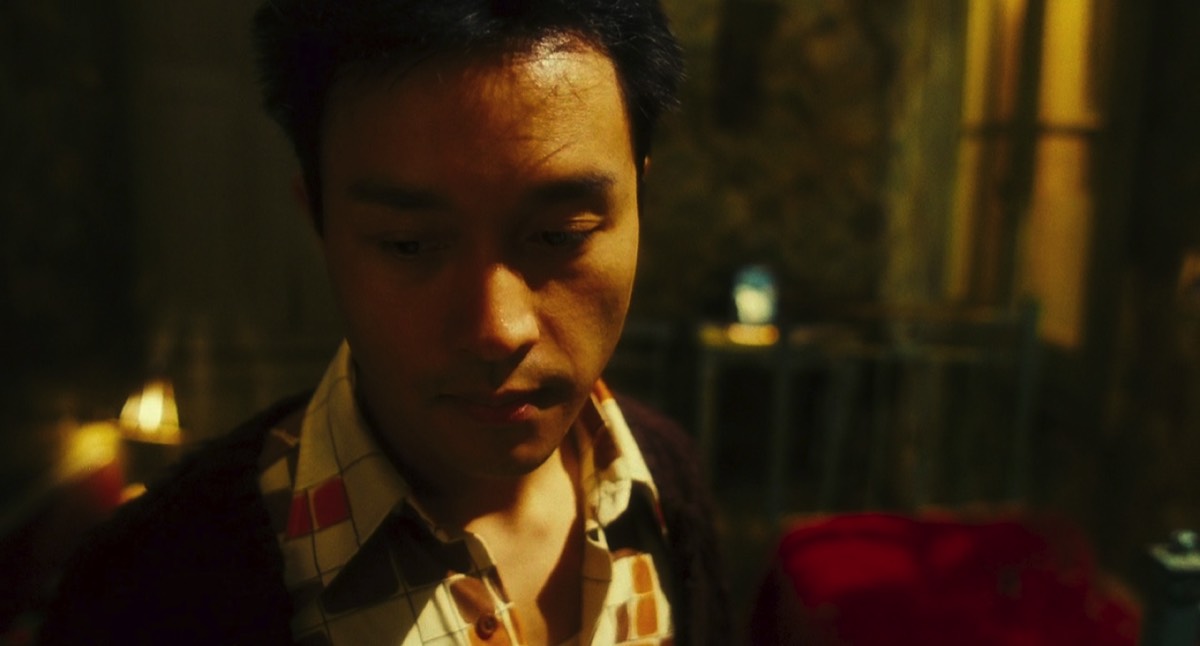
In Queer Memory: Leslie Cheung (1956-2003)In this chapter from my book Undercurrents, I explore the legacy of Leslie Cheung, a prominent figure in Hong Kong's music and film industry. My analysis focuses on his complex relationship with queer identity. I highlight the public’s mixed responses to Cheung's public persona during his long career and examine how his life and work mirror the historical and cultural transformations of Hong Kong from the 1970s to his tragic death in 2003. Through a nuanced critique, the chapter challenges the posthumous idealization of Cheung as an uncomplicated symbol of transgression and pride. My aim is to reclaim the queer (in the theoretical rather than identity sense) character of his life and work.
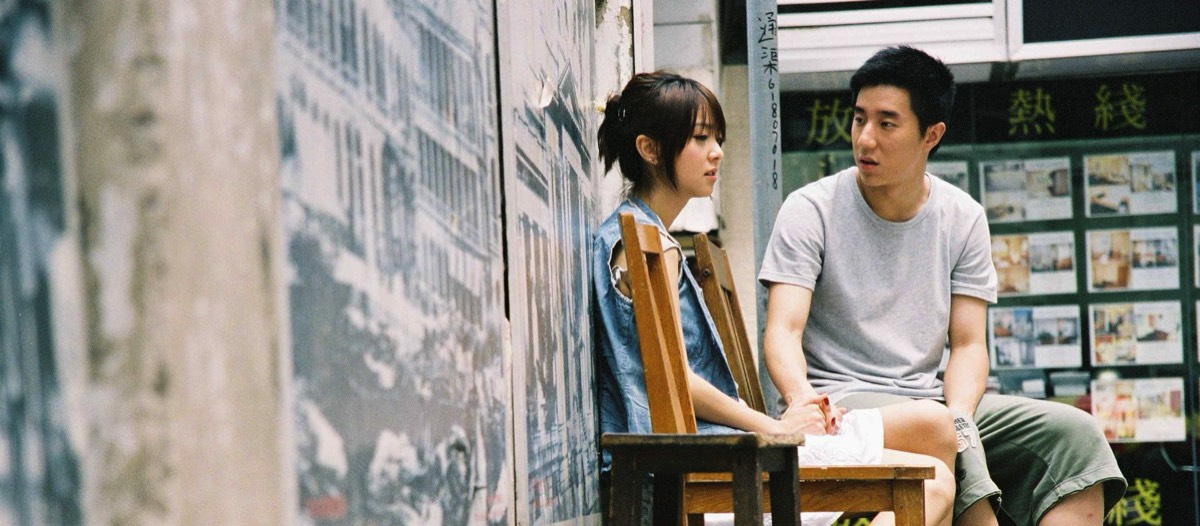
Love in the City: The Placing of Intimacy in Urban Romance FilmsIn this article, I analyze three “urban romance” films made in Hong Kong during the late 2000s when discourse about the “death” of Hong Kong’s commercial industry was rampant. I argue for the genre’s distinctiveness from Hollywood rom-coms and approach the films as a form of “urban documentation.” I also argue for a critical framework that does not rely solely on academic film theory but one that also draws insight from local film criticism.
Archiving Queer Feelings in Hong KongIn this article, part of a special issue on “Global Queer, Local Queer Theory,” I argue for the revitalization of a productive tension between ‘queer’ and ‘theory’ and underscore its necessity for a study of ‘local queer theory.’ I show that outside of academic queer theory, there are numerous examples of local writings that advance theoretical positions, albeit in unfamiliar guises. I analyze three examples of queer writings by Hong Kong authors, penned in Chinese between 1984 and 2000, as repositories of the discomfort and anxiety typical in queer lives. I conclude with a call for more creative and irreverent – in short, queerer – ways of localizing the global phenomenon of queer theory.