Wind Farms and Sea Ducks

Research on Sea Ducks

CWE logo
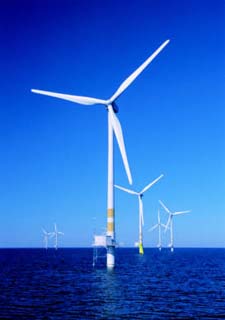
As the wind energy generation industry develops, offshore wind power is an increasingly attractive energy source. Currently there are no active offshore wind farms in North America; however, there ar numerous proposals under consideration, including major projects in British Columbia, the Great Lakes and the Eastern Seaboard. Given the successful and growing use of marine wind farms in Europe, offshore wind energy development on this continent is widely expected to increase dramatically in the coming years and decades. Therefore, it is critical to develop a research program that evaluates the effects of offshore wind farms on waterbirds, providing clear recommendations to the growing industry about how to minimize effects on wildlife. We are initiating a research program designed to evaluate risks of negative interactions between marine birds, particularly sea ducks, and offshore wind turbine arrays. We are designing the research to have both direct local implications for projects proposed in BC, and broader, generic insights into how offshore wind farms affect waterbirds, which will have national and global relevance.
wind turbines in sea
Priority Research Objectives:
  • determine the mechanisms by which offshore wind turbine arrays may affect waterbirds
  • contrast the relative importance of displacement from important habitats, changes in behaviour, disturbance and direct mortality from collisions
  • quantitatively consider effects at the population level
  • evaluate underlying (e.g. physiological, nutritional, or behavioural) responses of individuals that could have population demographic consequences
  • provide advice to industry and regulatory agencies regarding operational or location decisions to minimize offshore wind farm effects on birds


CWE Researchers on this project:

Dan Esler
Sean Boyd


Research Partners:
Ken Otter