1945-49
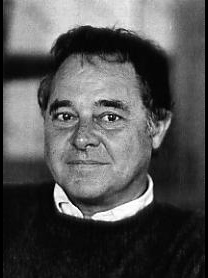
Barry is born in 1947 (Chatham, Ontario)
and gets an early start in electronics
|
Pierre Schaeffer: Etudes aux
Bruits (1948)
Hugh LeCaine: Electronic Sackbut (1947)
Denis Gabor: Frequency-Time Domain
theory (1946-47)
Norman McLaren: optical sound on film
Manchester University: Mark 1 computer
(with
stored program)
|
1950-59
Barry is growing up and
learning to play piano and love music
|
Major tendencies in electronic and
computer music are established:
- Tape, recorded sound, sound diffusion (Schaeffer, Henry, LeCaine,
Cage,
Ussachevsky & Luening, Varèse)
- Electronic sound synthesis (Eimert, Stockhausen, G.
M. Koenig, LeCaine, RCA Synthesizer)
- Computers and programming (Hiller,
Mathews)
- Stochastic composition (Xenakis, Cage, Hiller)
|
1960-69
1965-69, Hon.
Physics & Math at Queen's University
- Summer
1967
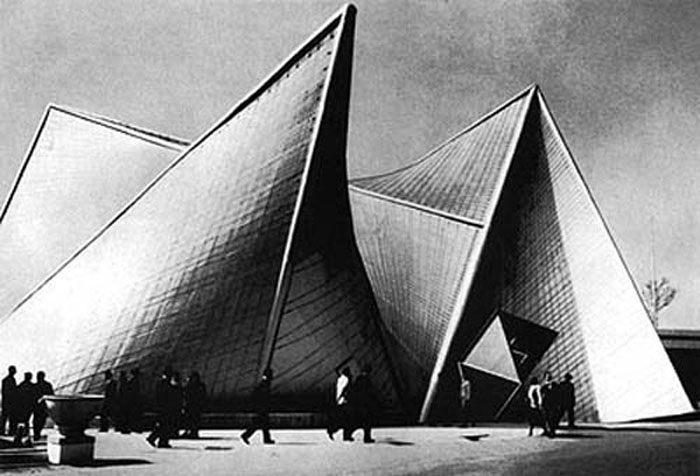
Expo 67 in
Montreal, and plays with Hugh LeCaine's Serial
Function Generator
- Summer
1968
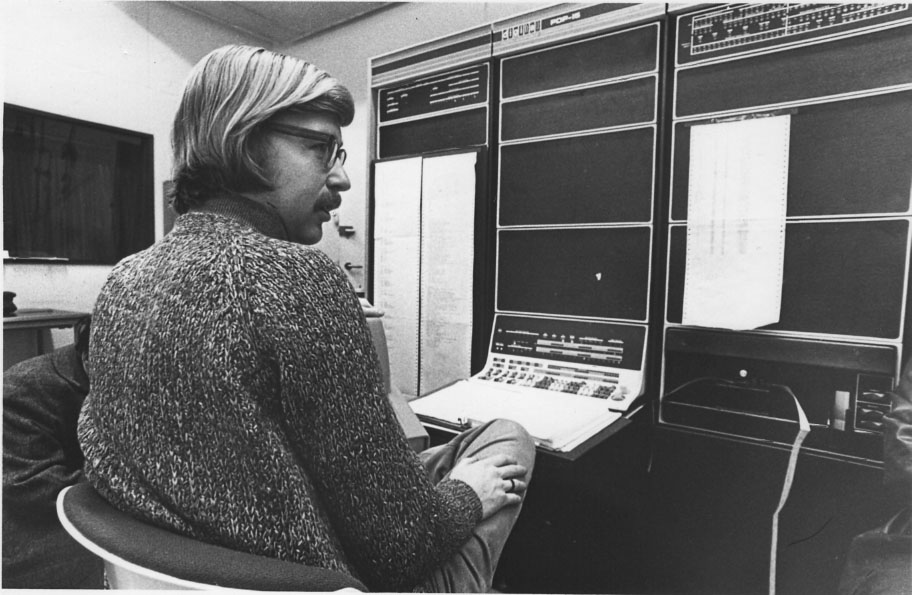
Works in the Physics Lab at Queen's and programs a PDP-9 computer; in frustration, starts composing
a piano sonata
|
Expanding Studios and Resources:
- Max Mathews at Bell Labs creates MUSIC IV, V and exports them;
Risset
investigates timbre
- Computer-assisted composition (Koenig develops Projects 1 & 2;
Xenakis'
ST programs; Hiller's
composition programs)
- University based studios are established across
Canada, US, Israel, Australia and New Zealand, and with state radio
stations in Europe including GRM
- voltage-controlled synthesizers created by Moog, Buchla, Zinovieff
|
1970-79
1969-71, M. Mus. at UBC, studies electronic music with Prof. Cortland Hultberg and graduates in 1971
-
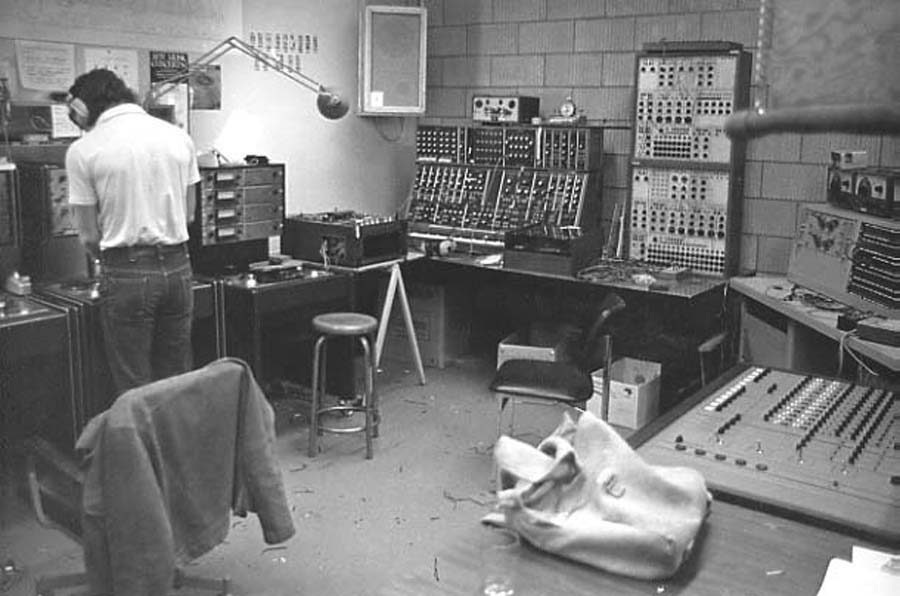
uses the Moog and Buchla synthesizers in the studio
- visits SFU
and R. Murray Schafer in the Sonic Research
Studio
- UBC Opera Workshop produces the one-act opera The Little
Prince for singers and stereo tape
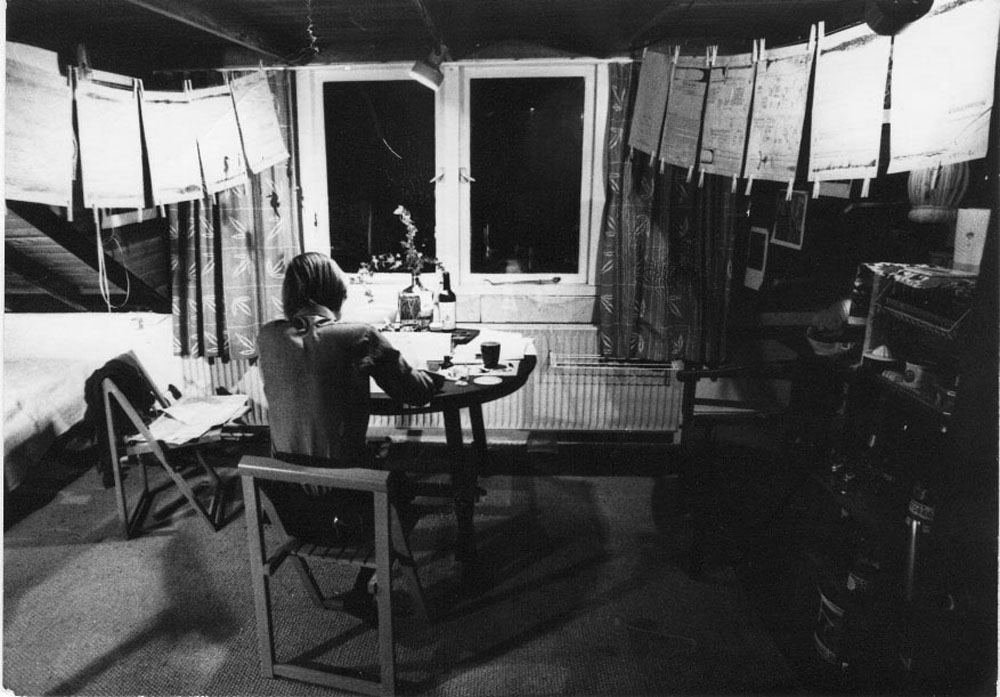
1971-73,
Post-graduate
course at the Institute of Sonology, Utrecht
-
studies with G. M. Koenig, Otto Laske,
Stan Tempelaars and others
- works in
the analog studios in four channels;
composes She,
a
Solo (CBC commission) and the Gilgamesh
tapes
- creates
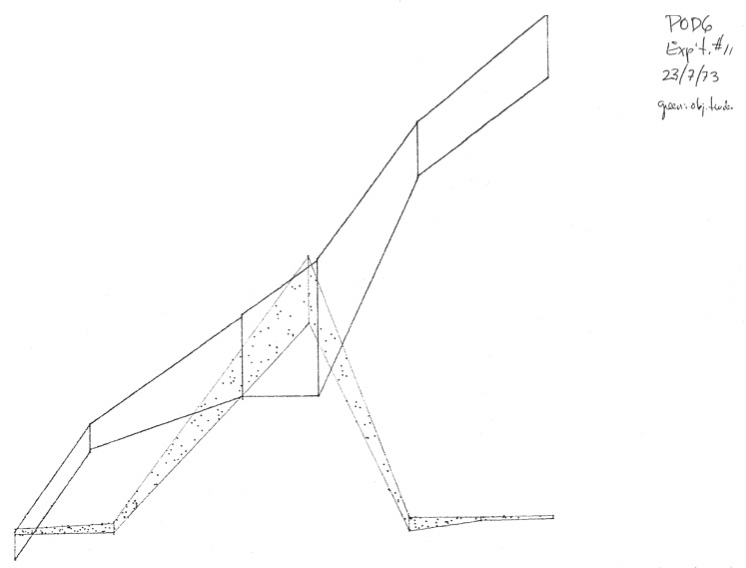
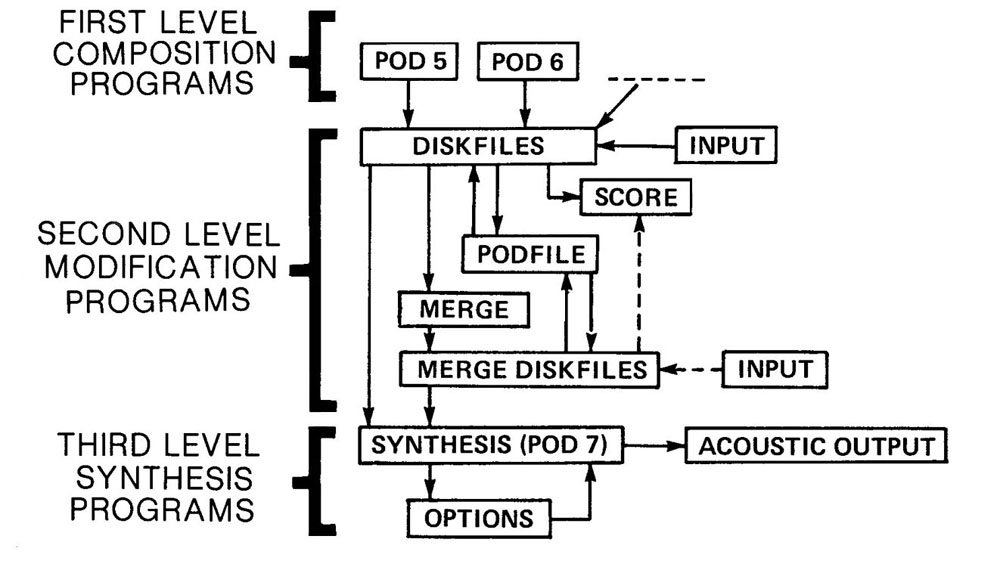
the POD programs for
interactive composition on a PDP-15 computer
with real-time monophonic sound using stochastic probability
distributions and tendency masks
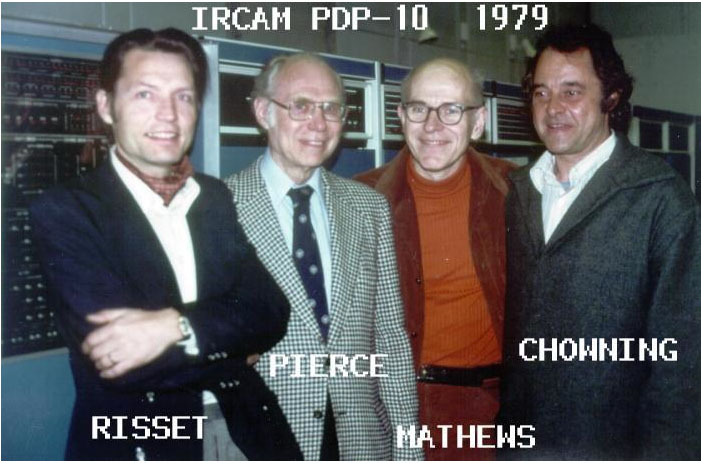
- meets John Chowning who explains FM Synthesis and
creates a real-time implementation; composes Tape VII ("The Journey to
the Gods") from Gilgamesh, for four-channel tape with FM
sound
- Gilgamesh tapes performed in Amsterdam and Utrecht;
first paper on POD published in Interface
- visits the
EMS computer music
studio in Stockholm and meets Knut Wiggen
1973-79, comes to Simon Fraser
University (1973) to work with Murray Schafer
and
the World Soundscape Project
- works in the Sonic
Research Studio and re-creates the POD
system on a Hewlett-Packard computer in Psychology
- succeeds Murray Schafer when he leaves SFU,
and assumes a full-time teaching position (1975)
- begins presenting computer and electronic music concerts in
Vancouver (with Vancouver New Music and Western Front) & Edmonton
(1975) and co-chairs UNESCO project (1976-78)
- begins attending the International
Festival of Electroacoustic Music, Bourges (1976), and making international contacts
- 1st prize in Computer Music for Sonic Landscape
No. 3 at International Festival of Electroacoustic Music, Bourges
(1977)
- publishes LP Sonic Landscapes
(1977) and double LP Androgyne (1981) on
Melbourne label
- begins
attending the International Computer Music Conference (MIT, 1976), and
is an invited composer at ICMC 1978,
Evanston, to premiere Androgyny
(1978) realized with the polyphonic POD system
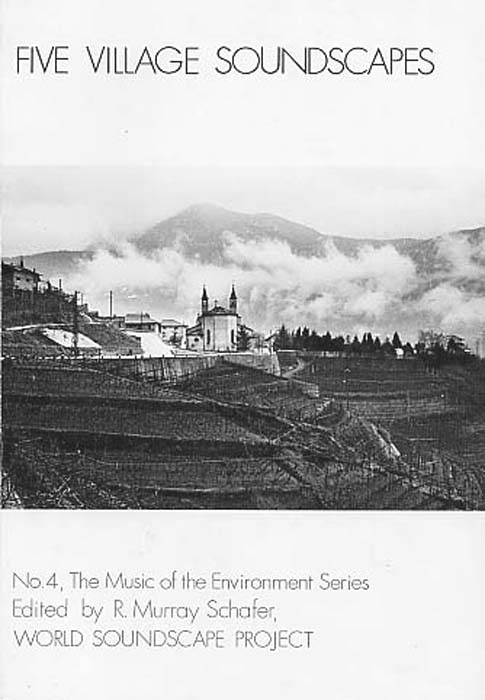
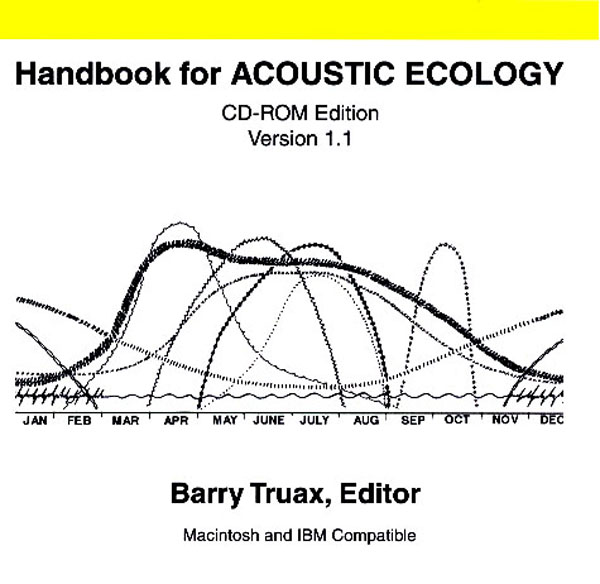
- publishes the Handbook for
Acoustic Ecology and co-authors Five
Village Soundscapes (1978)
- works in
the Bourges studios on a commission to produce The Blind Man (1979)
and performs there
|
"High Analog" Period and the Expanding
Digital Domain:
- Chowning develops FM; Koenig develops
SSP; Brun develops SAWDUST
- Computer music studios expand: IRCAM,
CEMAMu,
GRM, EMS (Stockholm), Sonology, MIT,
Stanford
- Live electronics develops and gradually incorporates
microprocessors
- Multi-speaker spatialization techniques develop:
Acousmonium, Gmebaphone
- Large-scale digital synthesizers (Fairlight, IRCAM's
4A, 4C & 4X, Samson Box, Synclavier, UPIC)
- Computer Music
Journal, ICMA and ICMC conferences start
- Digital recorders introduced along with
microcomputers
|
1980-89
-
POD system translated to a PDP 11-34 and non-realtime synthesis with a
Varian computer; composes Arras
(1980)
- music
program in Contemporary Arts established with a LSI
11/23
computer (1981)
- real-time
microprogrammable DSP unit, the DMX-1000 added
to create the PODX system (1982)
- composes Wave Edge (1983)
and
Solar Ellipse
(1984-85)
- publishes Acoustic Communication with Ablex
(1984)
- organizes
the 1985 International Computer Music Conference at SFU with AQ concert
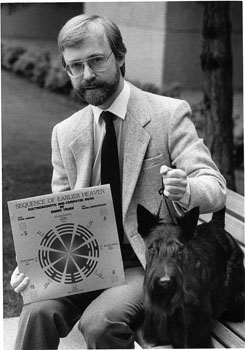
- launches Cambridge Street Records with Sequence of Earlier Heaven LP (1985)
- first
collaboration (of seven) with Theo Goldberg's
computer graphic images: Divan (1985)
- real-time granular synthesis program
using quantum level grains added to the PODX
system (1986) with this microcode
- composes Riverrun
(1986) spectrograph
and Wings
of Nike using granulated
samples (1987)
-
first
CD produced, Digital Soundscapes,
on the CSR and Wergo labels (1987)
- guest composer at Princeton University on a Mellon Fellowship
(1987)
- Music and Complexity Conference, Amelia (Italy), guest lectures
and concert (1988)
|
Digital Systems Expand on All Fronts
- software and music languages
- expanded synthesis and processing techniques both
realtime (DSP) and nonrealtime
- MIDI controlled synthesizers and samplers
- new performance interfaces (Max
Mathews, Michel Waisvisz and others)
- composition systems
- music analysis
- CD and DAT formats introduced
- Workstations and personal computers
|
1990-99

-
granular time
stretching of sampled sound material: Pacific (1990), Dominion
(1991), Basilica (1992)
and Song of Songs (1992)
for
oboe d'amore, English horn, graphic images and two soundtracks
-
Magisterium award (1991) for Riverrun from the International
Competition of Electroacoustic Music, Bourges
- book chapter in Companion to Contemporary Musical
Thought ("Electroacoustic Music and the Soundscape: The Inner and
Outer World"), 1992
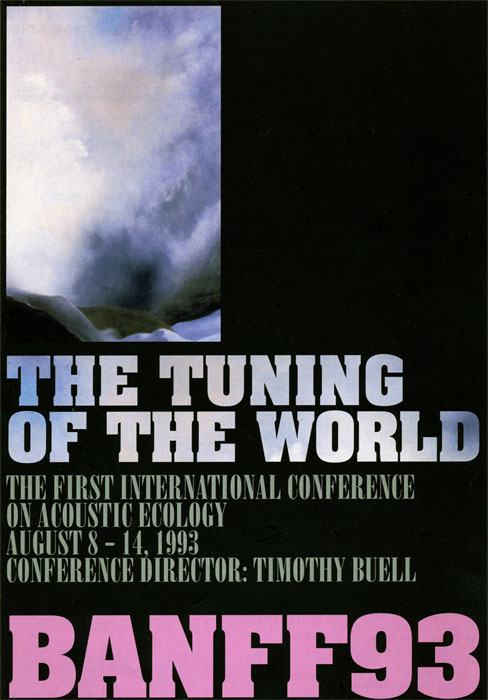
- The Tuning of the World conference in Banff
(1993) and the launching of the WFAE
- ICMC 1995
in Banff with the premiere of one act of Powers
of
Two (The Artist); all four acts completed in 1999;
first
octophonic realization with the DM-8 matrix mixer
- solo CD's launched: Pacific Rim (1991), Song
of
Songs (1994), Inside (1996)
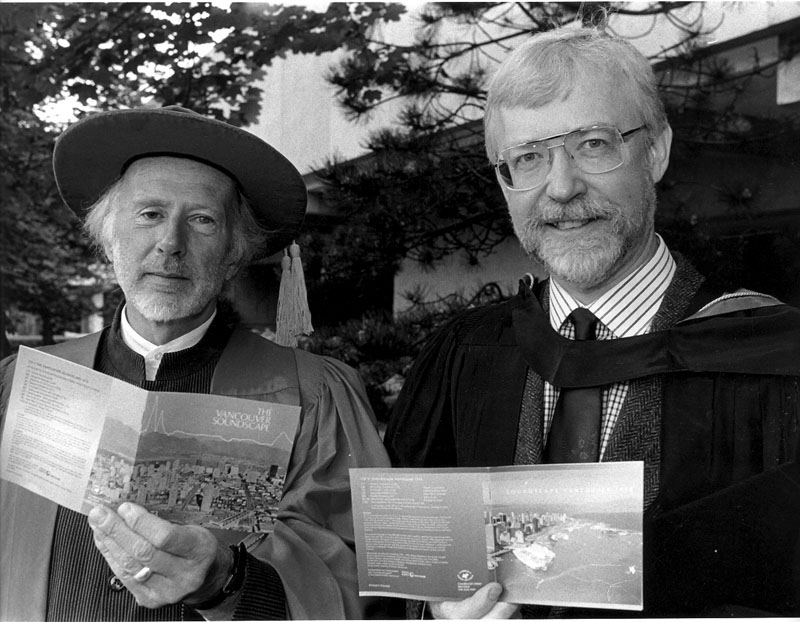
- Vancouver Soundscape project (1996) with new
recordings, and 4 composers from Germany and Canada producing
octophonic works with DM-8
- launch of
the Vancouver Soundscape double CD
(1997) and Honorary Doctorate awarded to R. Murray
Schafer
- Bamboo, Silk and Stone (1994) composed
with Randy Raine-Reusch and performed at ICMC 96 in
Hong Kong; followed by a visit to Indonesia
- composes Wings of Fire
(1996) for cello and tape
and Androgyne, Mon Amour
(1996-97) a music theatre piece for double bass and tape
- member of the Urban Noise Task Force, City of
Vancouver, 1996
- guest composer at the Conservatory of Music, Catania,
Sicily, 1998
- SFU's Excellence in Teaching Award, 1999
|
Larger Systems, Faster Processors,
More Products, Faster Obsolescence
DAW, Laptops, WWW, Mac & Windows, Max/Msp, DVD, VST,
OSC, pd, ProTools .....
|
2000-13

-
publishes 2nd edition of Acoustic Communication
(2001) with Handbook CD-ROM
- Visiting
Research Professor, Music Technology and Innovation Program, De
Montfort University, Leicester, UK (2000-2007)
- composes
8-channel soundscape compositions:
- presents
3-day workshops on soundscape composition in Berlin (2000) and
Barcelona (2010)
- publishes
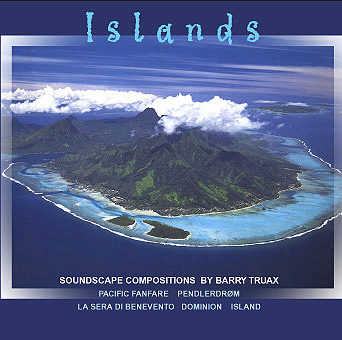
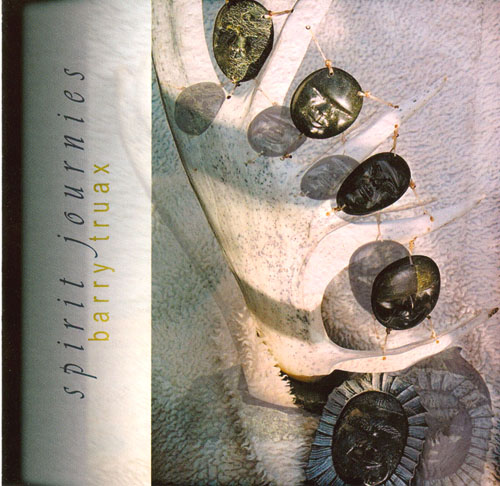
solo CD's: Islands (2001), Twin Souls (2001), Powers of Two (2004), Spirit Journies (2007)
- publishes
"Homoeroticism and Electroacoustic Music," Organised Sound, 2003
- composer
in residence, Modern Baroque Opera, Vancouver (2004) with workshop
performance of Powers of Two
- one of 10
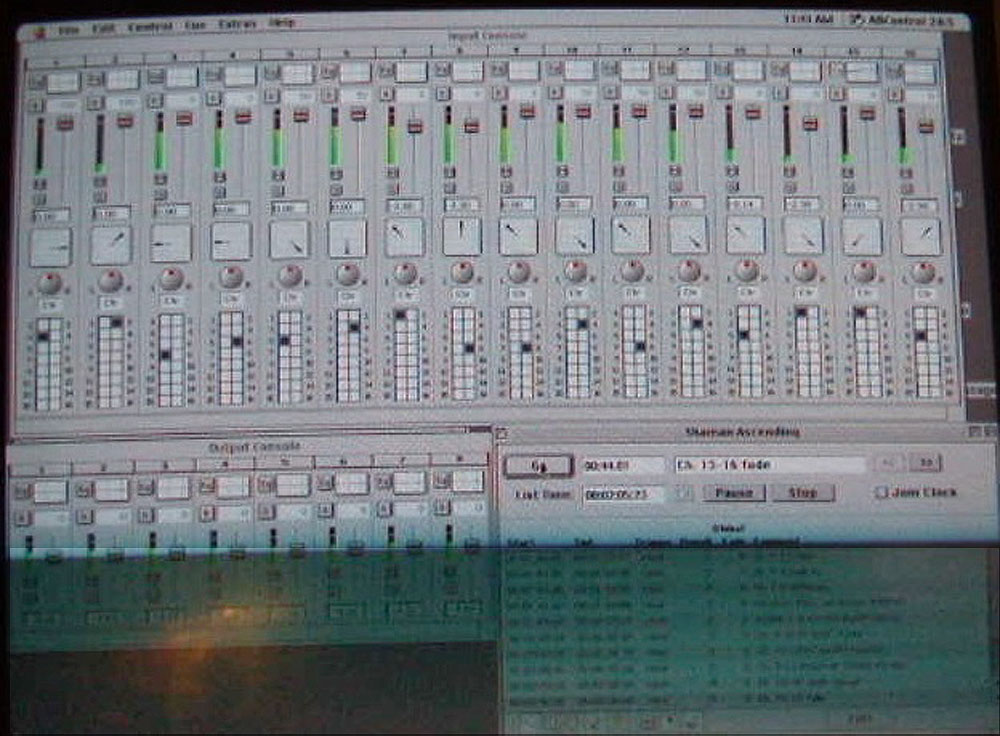
Canadian composers commissioned by ZKM, Karlsruhe (Germany); produces The Shaman Ascending (2005)
spatialized with the AudioBox matrix mixer
- guest
lectures in Osnabruck, Gainesville, Bourges, Coimbra, London, Belfast,
Karlsruhe, Leicester, Evanston, Rome, Amsterdam, Helsinki, Konstanz,
Oslo and 12 schools in the UK (2009-2010)
- publishes 3 HTML Documentation DVD-ROM's on Granular
Synthesis, Soundscape Composition and Text-Based work (2008-2010)
- two solo
retrospective concerts in Vancouver, with SFU Contemporary Arts, and
Vancouver New Music (2010)
- guest
composer, keynote speaker and solo concert, Brazilian Society for
Computer Music, Vitoria, Brazil (2011)
- premiere of Alan Turing inspired works, Enigma and From the
Unseen World, Vancouver and Manchester (2012) realized with the TiMax2 Soundhub matrix mixer
- publishes 9th solo CD, The Elements and
Beyond (2014) including
|
DITTO
|