

- Graduate
- Undergraduate
- Research
- News & events
- About us
- Student Commons
- Contact us
- Somers Research Group
- Faculty and Staff Resources
- Next Steps
- Incoming Students
- The Roundtable
- Conversion Therapy Survey
- RESET Team
- Spring 2021 Convocation
- Planetary Health Research Group
- The BREATHE Project
- CanOSSEM
- Social Justice & Health Research Cluster
x
close

Engaged, collaborative, and interdisciplinary learning
At the Faculty of Health Sciences, our experts bring their knowledge and perspectives in the humanities, social sciences, and life sciences into the classroom. You’ll have opportunities to learn from leaders in Indigenous health, HIV and SARS-CoV-2 research, social justice, mental health and addictions, harm reduction, policy research, and more.
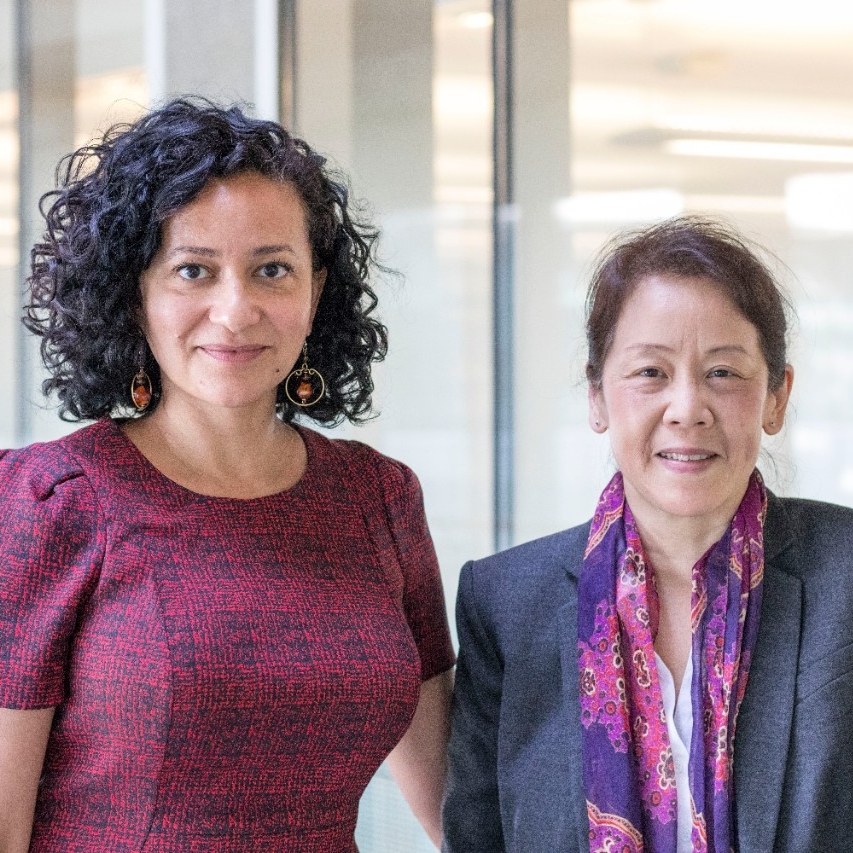
A uniquely collaborative setting
At the Faculty of Health Sciences, our experts bring their knowledge and perspectives in the humanities, social sciences, and life sciences into the classroom. You’ll have opportunities to learn from leaders in Indigenous health, HIV and SARS-CoV-2 research, social justice, mental health and addictions, harm reduction, policy research, and more.
MEET THE FACULTY >>
[I learned about] the concept of epigenetics, which can be described as the study of how our behaviour and environment can alter how our genes function. This can be a gateway to many health disparities, especially among Indigenous communities that suffer many health consequences due to their unstable environments. A degree in health sciences allows me to provide insight into these situations, which can help generate much-needed change within Canadian health policies to close the health gap for Indigenous peoples.
Kippy Deol, Bachelor of Arts
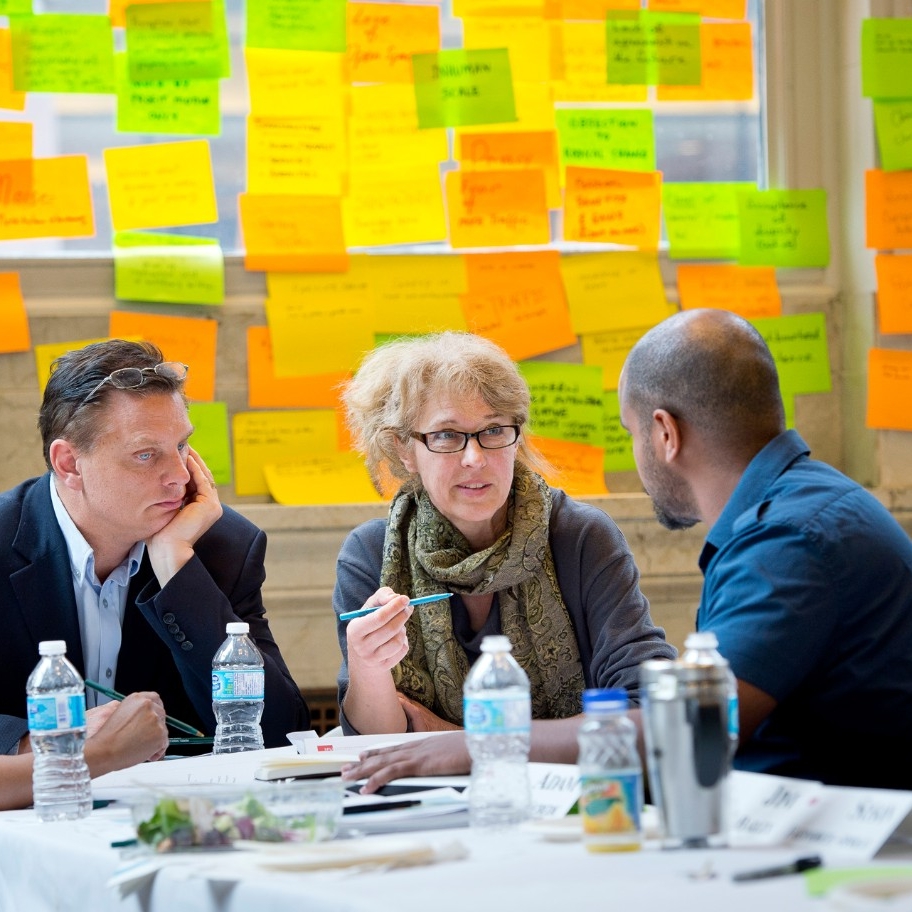
Experiential learning
At the Faculty of Health Sciences, you’ll have several opportunities to engage in experiential learning. We offer a range of experiences, including field courses, immersive Co-op education opportunities, laboratory courses (benchside and computational), and team-based project learning that addresses real community health needs. Our curriculum is ever-evolving to meet current and emerging needs of our students and our communities.
SEE OUR PROGRAMS >>
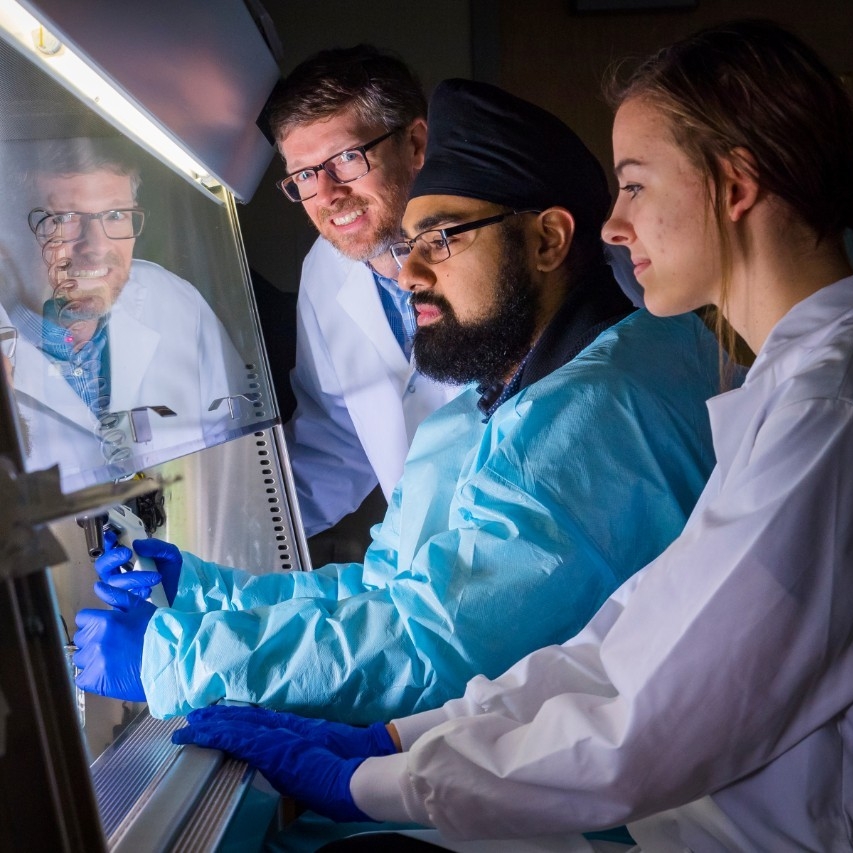
Innovative research
Even as an undergraduate, there are opportunities to get involved in health sciences research. Students interested in research may be invited to work closely with faculty, gaining valuable experience and relevant skills. You could join a team that is making new discoveries or developing recommendations to improve the health of our communities.
DISCOVER RESEARCH OPPORTUNITIES >>
I started off as a co-op student and ended up asking my co-op supervisor to be my undergraduate Honours supervisor. [A]n Honours pathway opens the door for further research study, equipping you with the skills to undertake a graduate research degree. Alternatively, if you decide not to take the research route, you will graduate with many transferable skills and show future employers that you can work independently.
Amrit Tiwana, Bachelor of Science
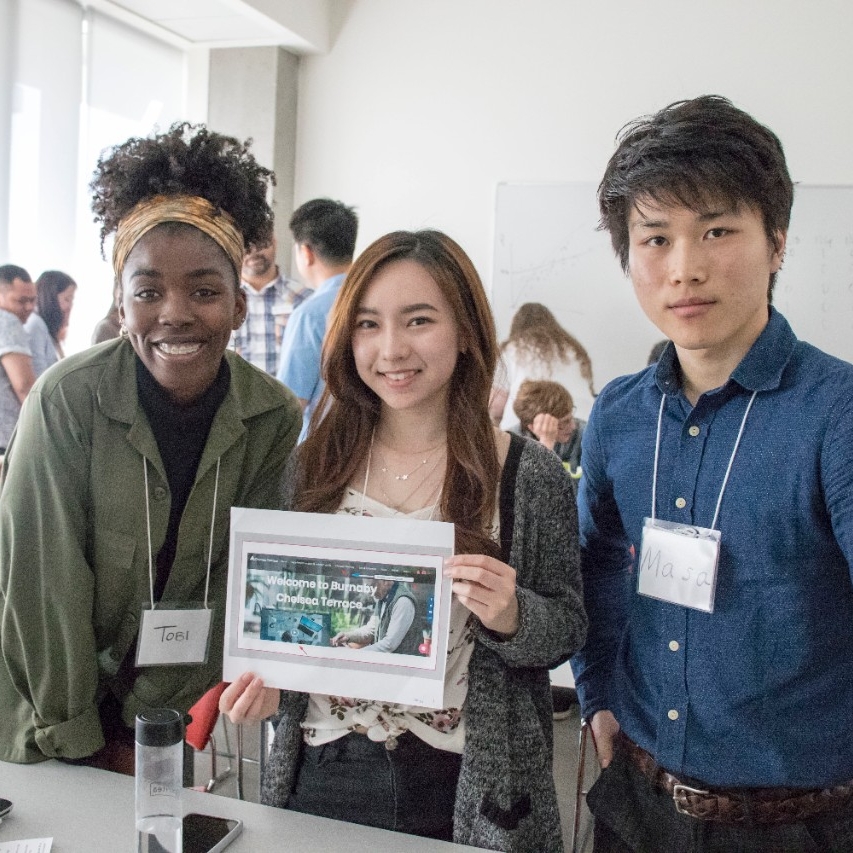
Student life
Come be a part of the exciting and dynamic community at SFU!
There are many ways to connect with students and faculty at events, seminars and workshops within the Faculty of Health Sciences and throughout the university. We encourage you to explore the many student-led clubs and available activities – attend a Health Sciences Undergraduate Student Union (HSUSU) career panel or join an intramural team. Make time for fun and play while you work towards your degree.
We want to set you up for success when you join our community. HSUSU offers a peer mentorship program to support new students during their first year at the Faculty of Health Sciences. Our advising staff are also available to help you explore and navigate your many learning options over the course of your time with us.
GET INVOLVED >>
I’ve found many like-minded individuals in FHS who have helped me get to the place I am today, and it was a gratifying experience to help and give back to the SFU community and all those people who welcomed me when I started university. I’ve made many great friendships with both students and faculty, and the experiences, connections and friends I’ve made during my time at SFU are my favourite part of my university experience.
Evan Barad, Bachelor of Science
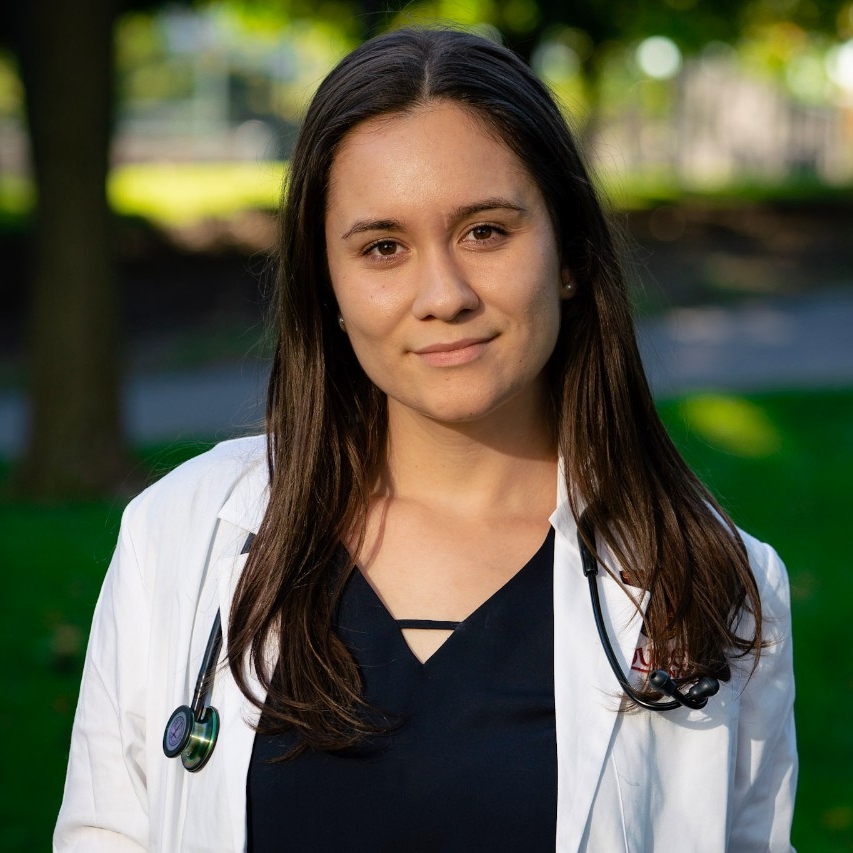
Careers in health
Choosing to learn at SFU’s Faculty of Health Sciences means you’ll gain a good understanding of health and wellness, illness and disease from multiple perspectives, encompassing everything from molecular analysis to global health. You’ll also develop valuable statistical, computational, communication, team-building, problem-solving, and organizational skills along the way. This combination of evidence-based education and practical skills is valued by a wide range of employers including hospitals, governments, non-profit organizations, laboratories, post-secondary institutions, and more.
LEARN MORE >>
Potential careers in health sciences
Health charities & foundations
Public & private research (biomedical, environment)
Health prevention & promotion
Government & related agencies
Post-secondary institutions
Health and Workplace Safety Inspection agencies & boards
Recreation organizations
Scientific magazines, journals
Wastewater treatment
Industry & laboratories (pharmaceutical, medical, agriculture, food production, manufacturing, environmental)
Hospitals
Public health authorities
Private medical clinics
Rehabilitation centres
Pharmaceutical sales
Insurance companies & law firms
Consulting
Private sector companies
T I L