

News
Jan ~ Apr 2026
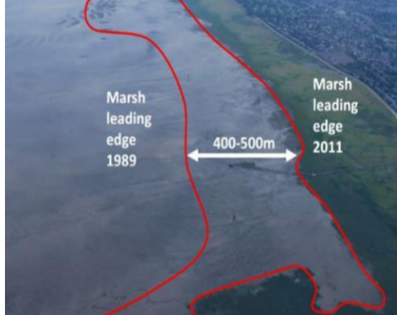
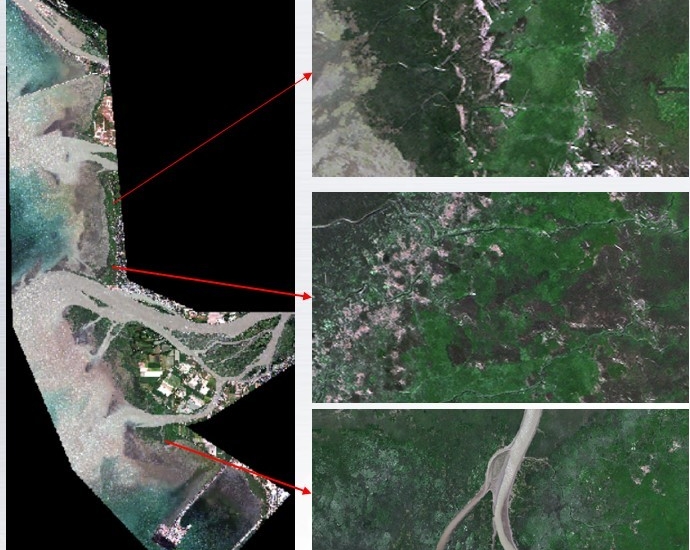
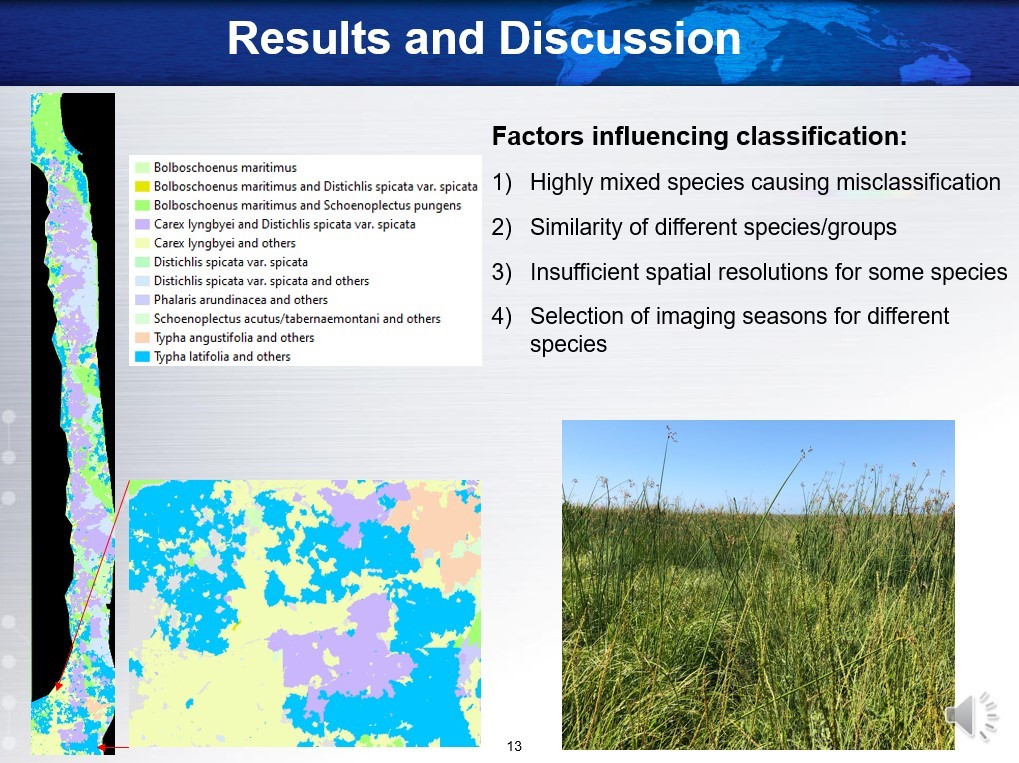
Dr. Bing Lu attended the Technical Working Group Meeting for the Sturgeon Bank Sediment Enhancement Pilot Project and presented research on remote sensing-based monitoring of long-term marsh recession and marsh vegetation composition. This work was performed by members of ReSEC Lab - Postdoctoral Fellow Dr. Ali Jamali and PhD Candidate Doris Obodoefuna, with collaborators from Ducks Unlimited Canada and UBC. Both modern satellite images and historical air photos were used in this project.


Members of ReSEC Lab - Postdoctoral Fellow Dr. Ali Jamali and PhD Candidates Lilian Yang and Doris Obodoefuna presented their research at the GEAR Up for Graduate Research organized by SFU Faculty of Environment.


September ~ December 2025
Dr. Bing Lu and PhD Candidate Lilian Yang, along with other SFU delegates, attended the APRU (Association of Pacific Rim Universities) Food Security and Agritech Symposium 2025 in Singapore. The event was co‑organized by Nanyang Technological University and the National University of Singapore. It brought together researchers across the Pacific Rim to foster interdisciplinary collaboration and explore innovative, technology-driven solutions to global food security challenges.


Dr. Bing Lu joined the Burns Bog Ecological Conservancy Area Scientific Advisory Panel as a Panel Member. Burns Bog is one of the largest and best-preserved raised peat bogs on the west coast of North America, located in the City of Delta near Vancouver. The Panel is an advisory body to Metro Vancouver and City of Delta for the management of Burns Bog.
May ~ August 2025
Dr. Bing Lu attended the 46th Canadian Symposium on Remote Sensing (CSRS) in Lethbridge, Alberta, and made a presentation titled "Mapping Blueberry Traits using High-Spatial Resolution Unmanned Aerial Vehicle (UAV) Images". Remote sensing is a powerful technique for monitoring blueberry plant health over large areas. He also served as a Session Chair and Scientific Committee Member for this conference.


January ~ April 2025
Dr. Bing Lu was appointed as an Associate Editor of the journal Wetlands (published by Springer), the official scholarly journal of the Society of Wetland Scientists. We welcome your submissions to this well-regarded journal in the field of wetland research.

Dr. Bing Lu started serving as a Co-Chair of Working Group 3: Conferences and Publications in the Canadian Remote Sensing Society (CRSS-SCT). Mandates of this Working Group include Coordinate and Support Canadian Symposium on Remote Sensing (CSRS), Support Canadian Journal of Remote Sensing (CJRS) and CSRS Proceedings, and Foster Joint Events with Partner Organizations
May ~ December 2024
Congratulations to Doris Obodoefuna for successfully passing her qualifying exam!
Welcome Aline Schmidt to join ReSEC Lab as a NSERC Undergraduate Student Research Award (USRA) winner!
The ReSEC Lab received a Mitacs Accelerate Grant that is supported by the partner WSP Canada Inc. They will monitor aquatic and terrestrial environmental variables near the Contrecoeur port terminal in St. Lawrence River using earth observation technologies.
The ReSEC Lab received a Canada Foundation for Innovation (CFI) John R. Evans Leaders Fund (JELF) and a British Columbia Knowledge Development Fund (BCKDF) to purchase advanced remote sensing equipment, including drone-based hyperspectral imaging sensor, spectroradiometer, and high-performance computers.
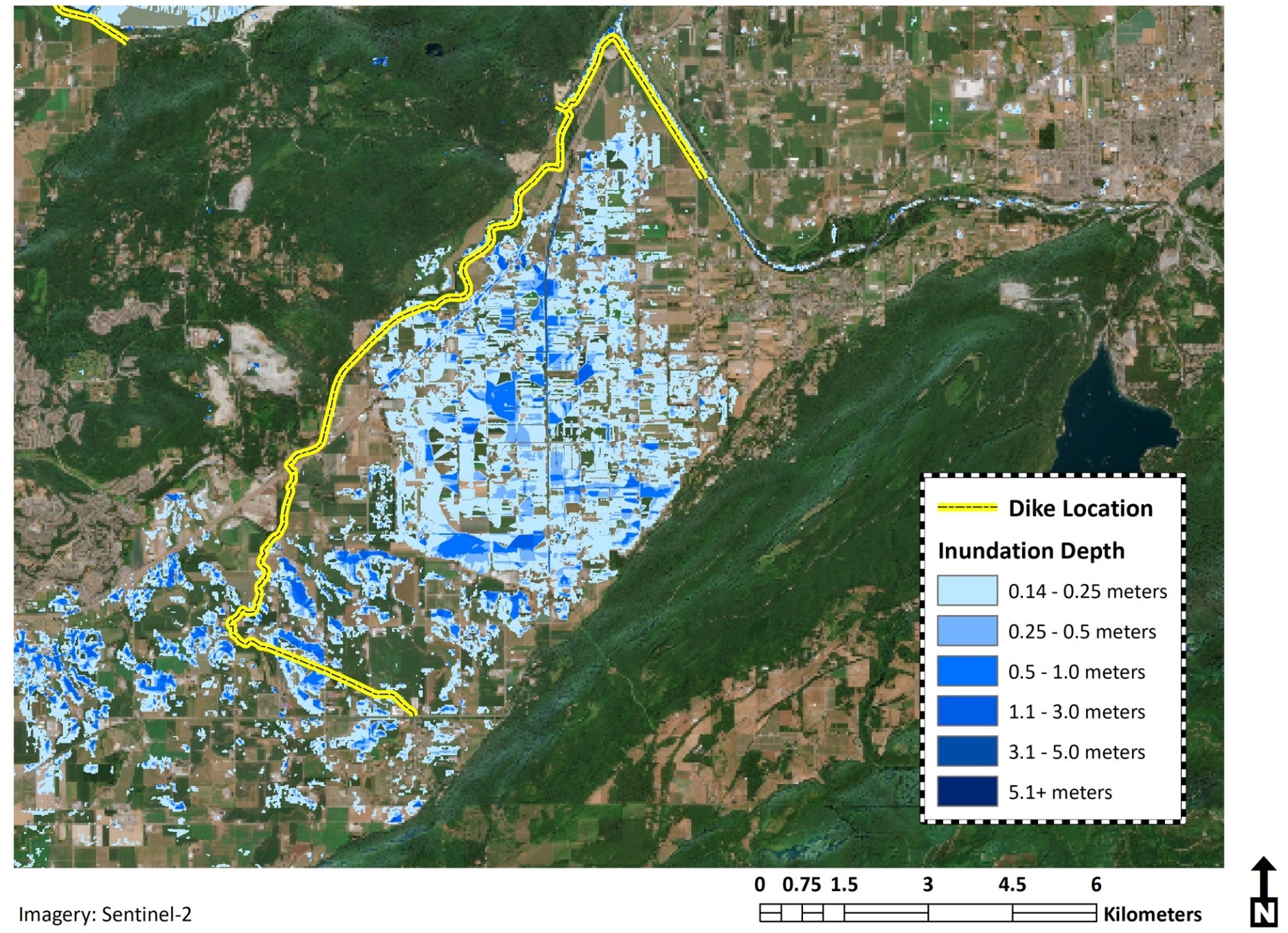
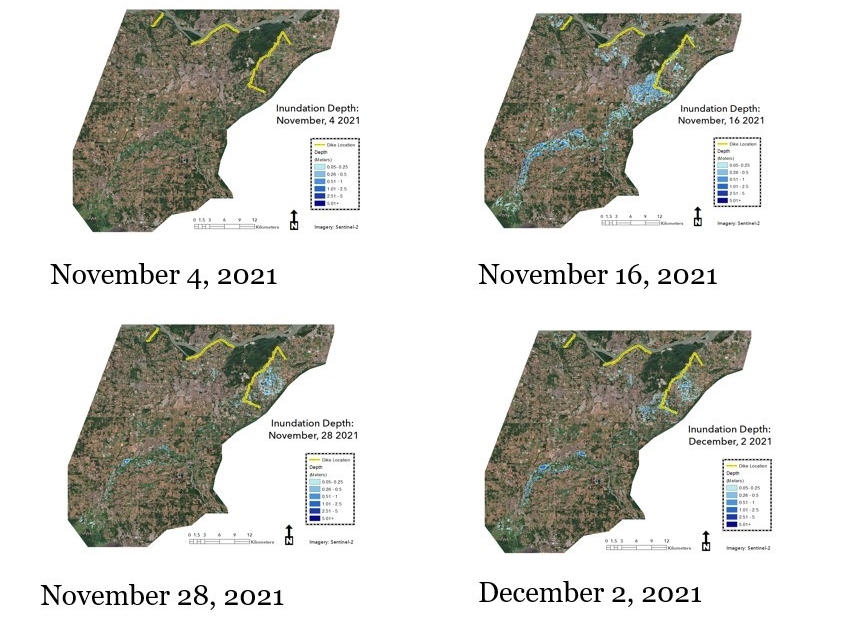
Congratulations to Ian McDonald for successfully defending his MSc thesis titled "Investigating the 2021 flooding event in Southern British Columbia, Canada, using remote sensing and GIS"!

Members of the ReSEC Lab presented their research at the Marsh Symposium organized by the Pacific Salmon Foundation (PSF). This significant event brought together speakers and participants from governments, First Nations, universities, conservation organizations, industry, and local communities. Such gatherings play an important role in fostering collaboration and knowledge sharing, which are essential for the monitoring and conservation of marsh ecosystems.

January ~ April 2024
Dr. Bing Lu presented at the APRU (the Association of Pacific Rim Universities) Food Security Webinar Series 2024: Precision Agriculture and Food Shelf Life Extension in Asia-Pacific and shared his research on Investigating Blueberry Scorch Virus Infection Using Unmanned Aerial Vehicle (UAV)-based Imagery and Deep Learning.
The ReSEC Lab received a Mitacs Accelerate Grant that is supported by the partner Ducks Unlimited Canada! They will collaborate to monitor marsh extent and vegetation composition in British Columbia’s south coast using remote sensing and machine/deep learning models.
September ~ December 2023
Welcome Doris Obodoefuna to join ReSEC Lab as a PhD student!
Congratulations to Lilian Yang! She successfully defended her PhD proposal titled Advances in Crop Residue Mapping and Soil Carbon Dynamics: Integrating UAV and Satellite Data with Machine Learning.
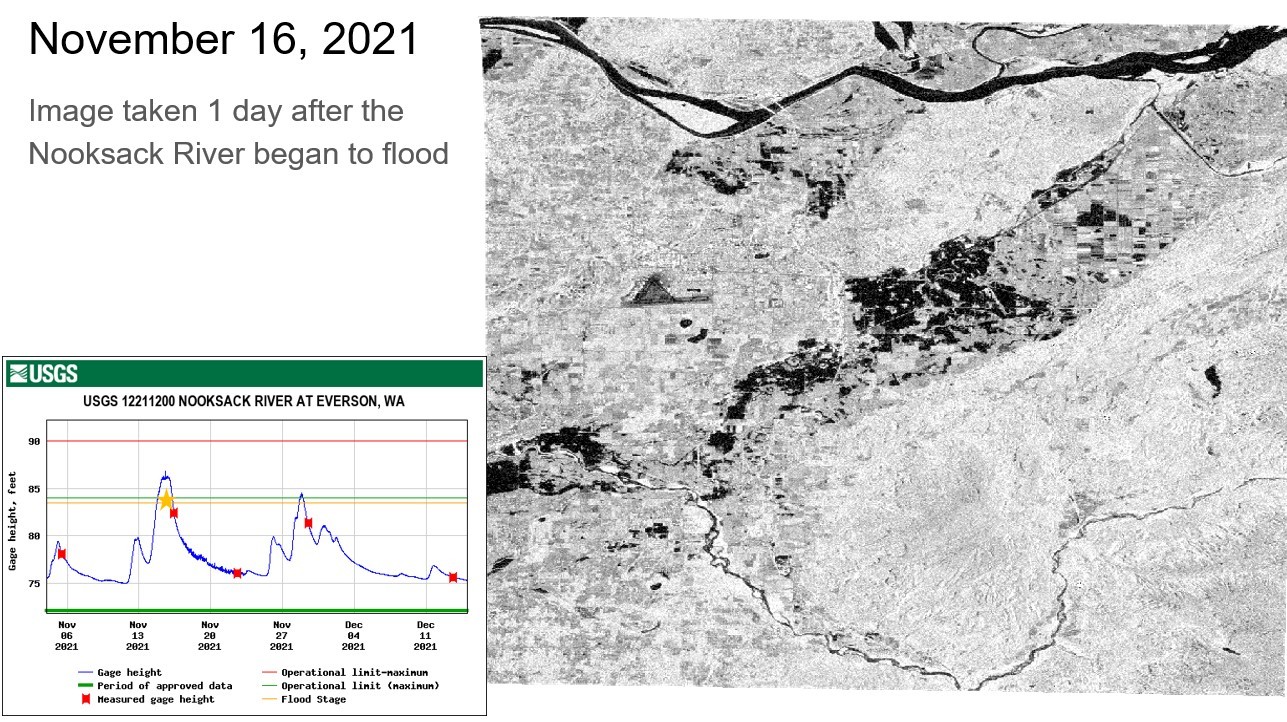
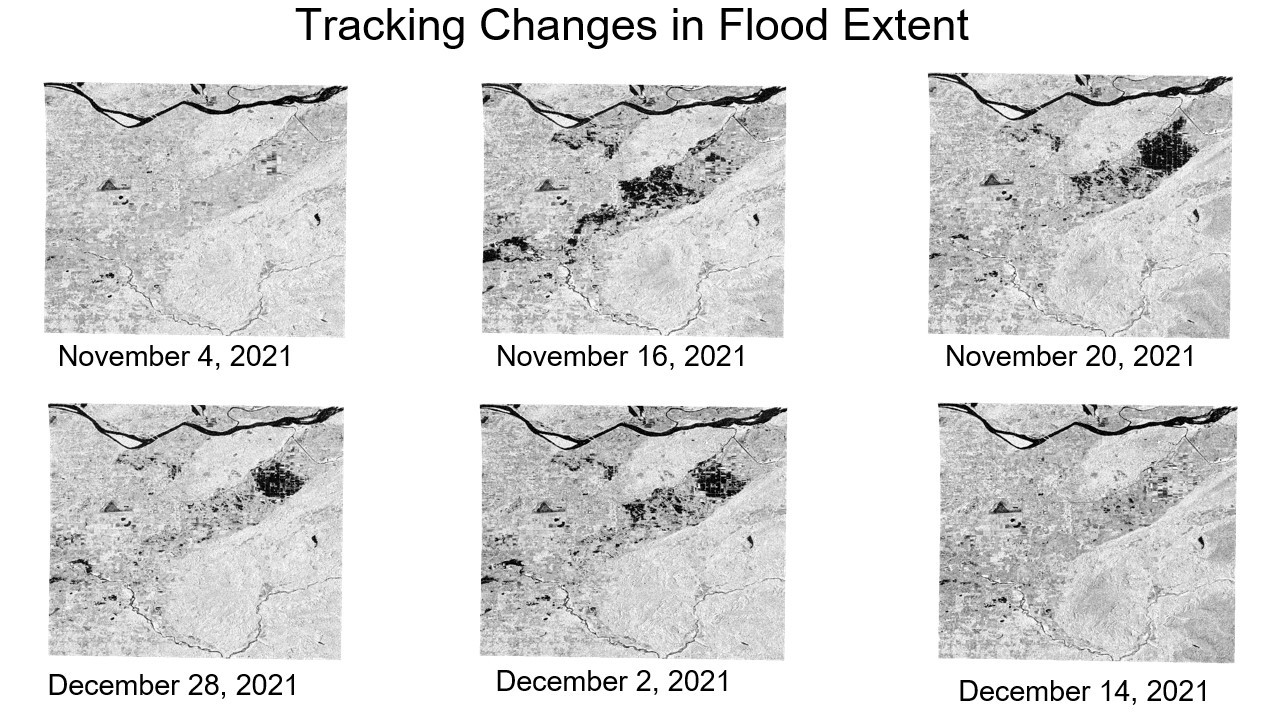
MSc student Ian McDonald made an excellent presentation at the SFU 2023 GIS Day! His presentation title is Flood Inundation Extent and Volume Mapping of the 2021 Nooksack River Floods using Remote Sensing and GIS.
May ~ August 2023
Dr. Bing Lu, Postdoc Dr. Ali Jamali, and PhD student Lilian Yang conducted more surveys of scorch virus infection in blueberry fields, aiming to generate accurate classification maps of infected plants and support more targeted management efforts.
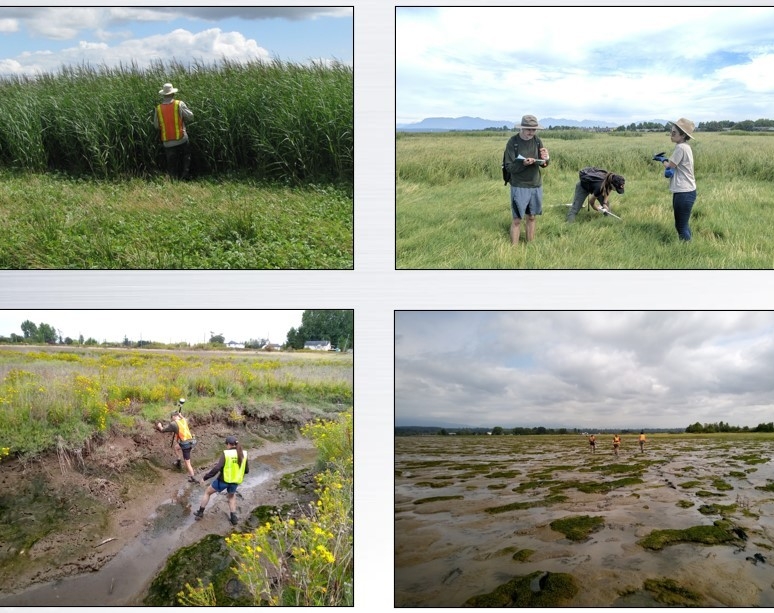
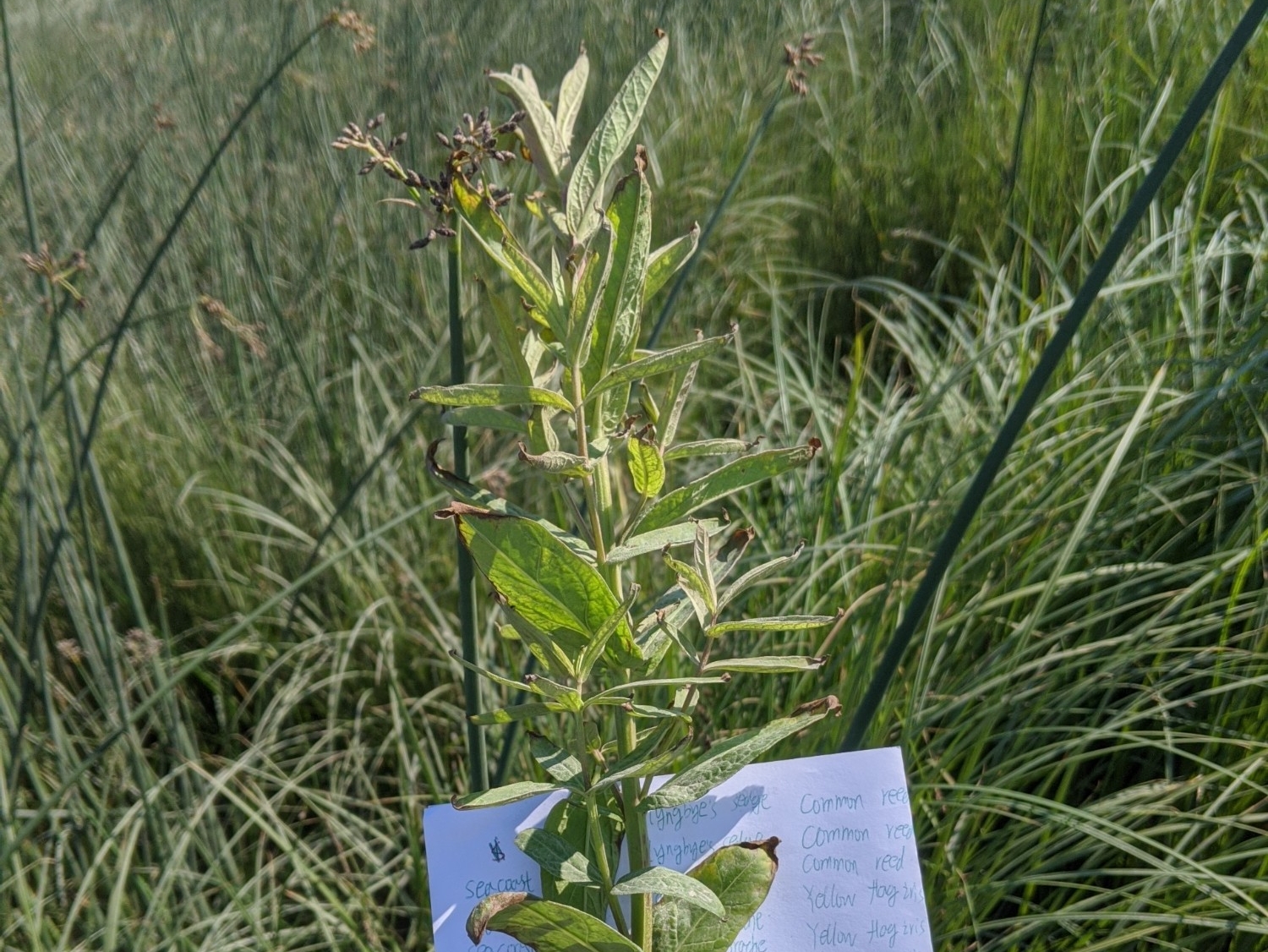
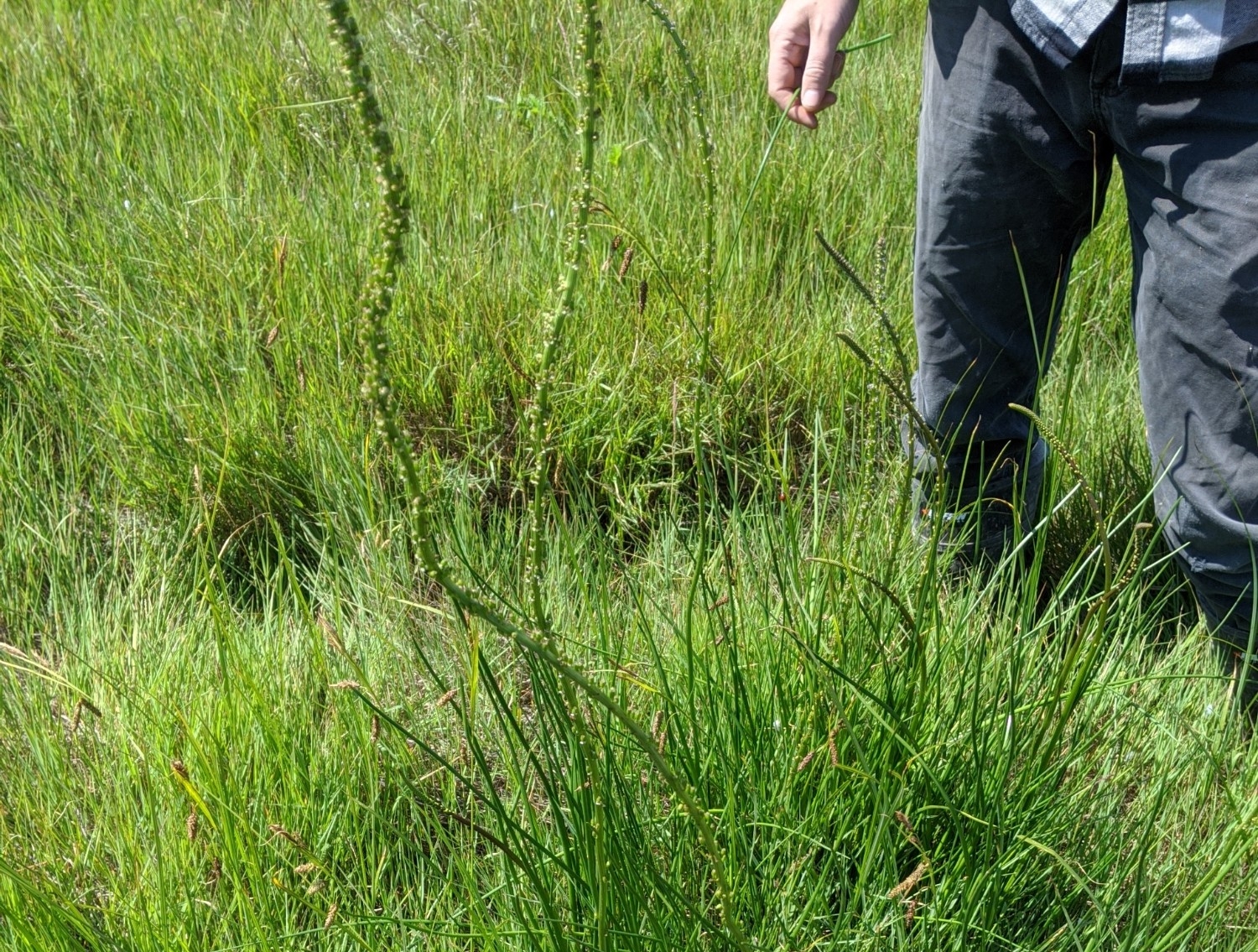
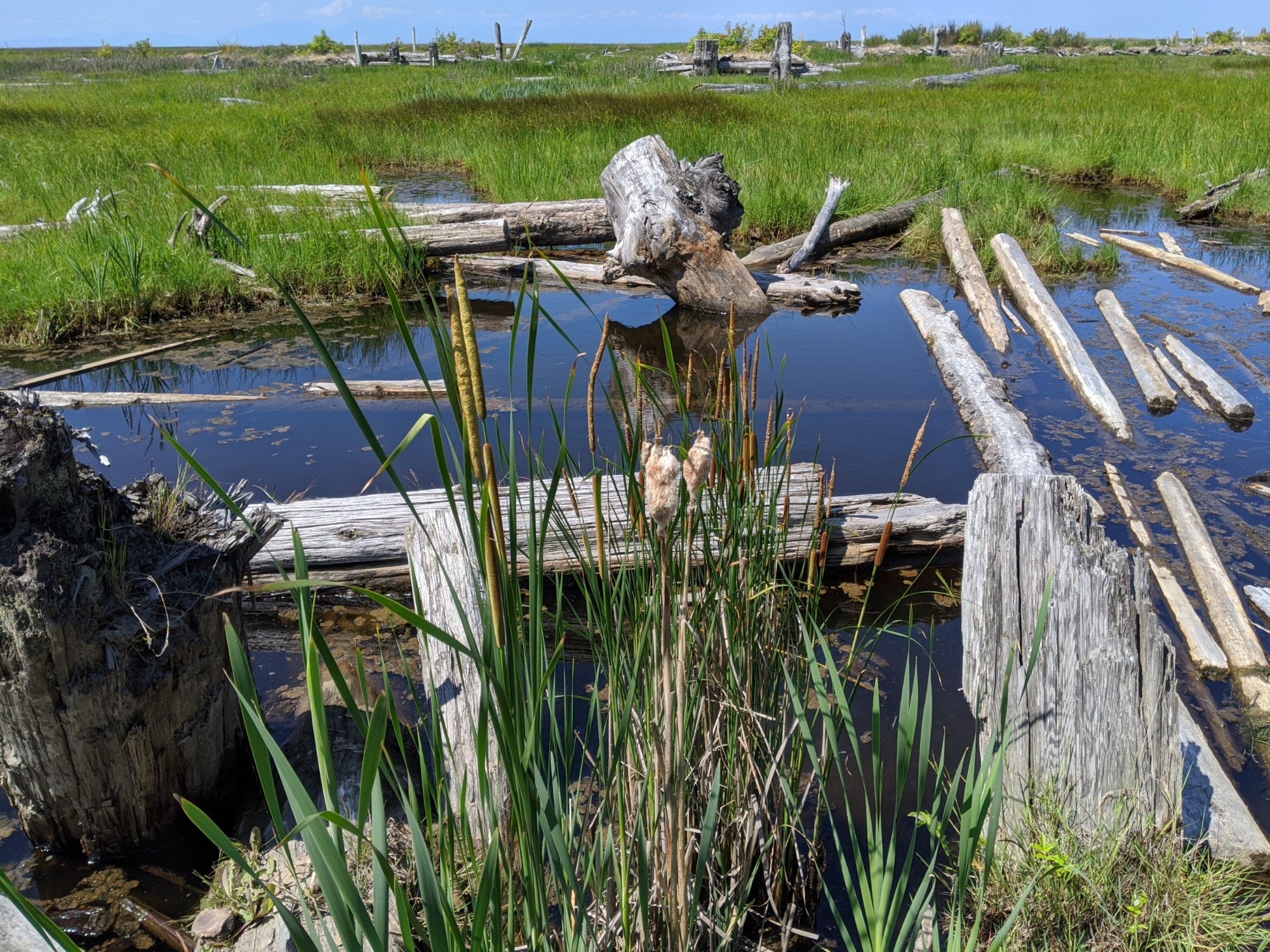
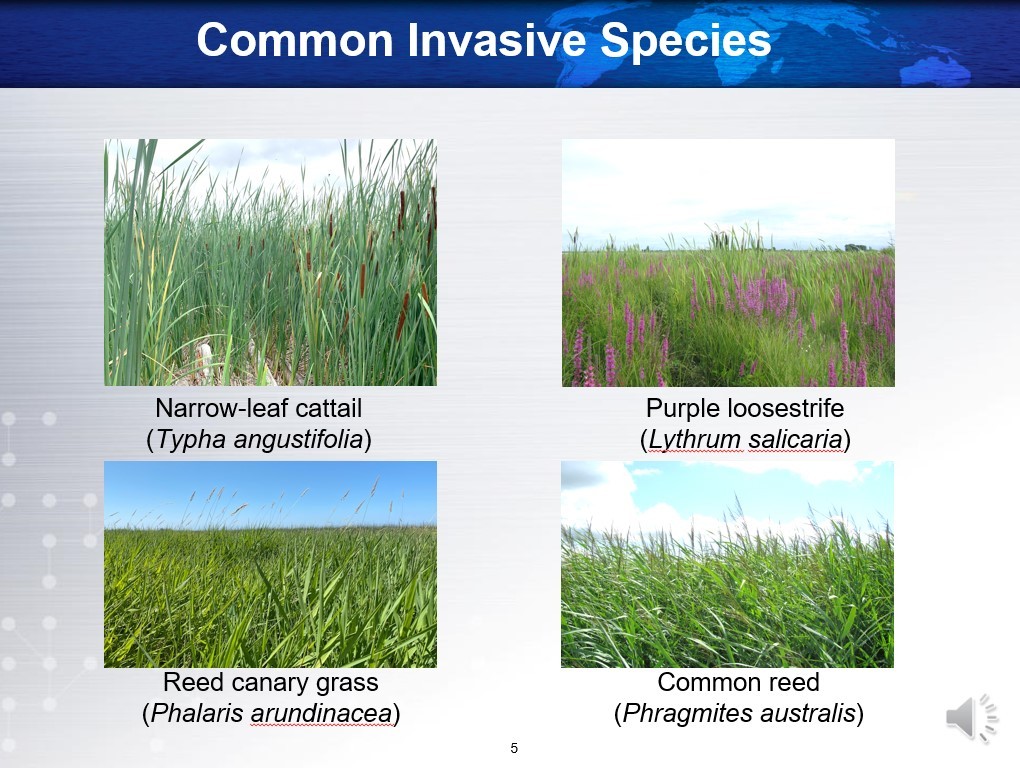
Members of ReSEC Lab participated in a field training to better identify plant species in BC's south coast. Species' distribution and growing status are critical for the health of coastal ecosystems.
March ~ April 2023
Dr. Bing Lu was invited by the Burns Bog Scientific Advisory Panel to talk about his team's research on mire breathing. His MSc student Ian McDonald delivered a presentation titled "Measuring Bog Surface Oscillation (Mire Breathing) Using InSAR".
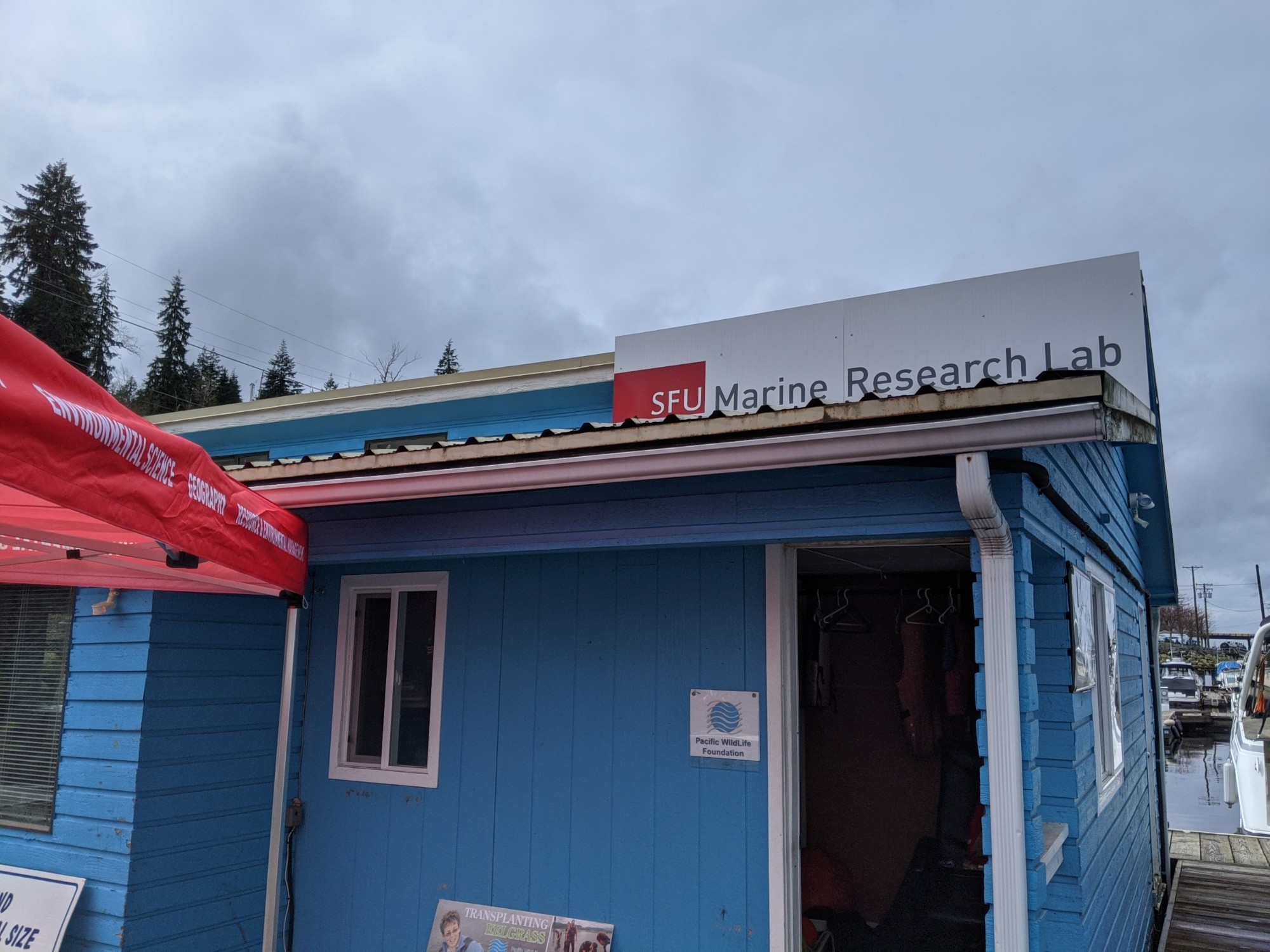
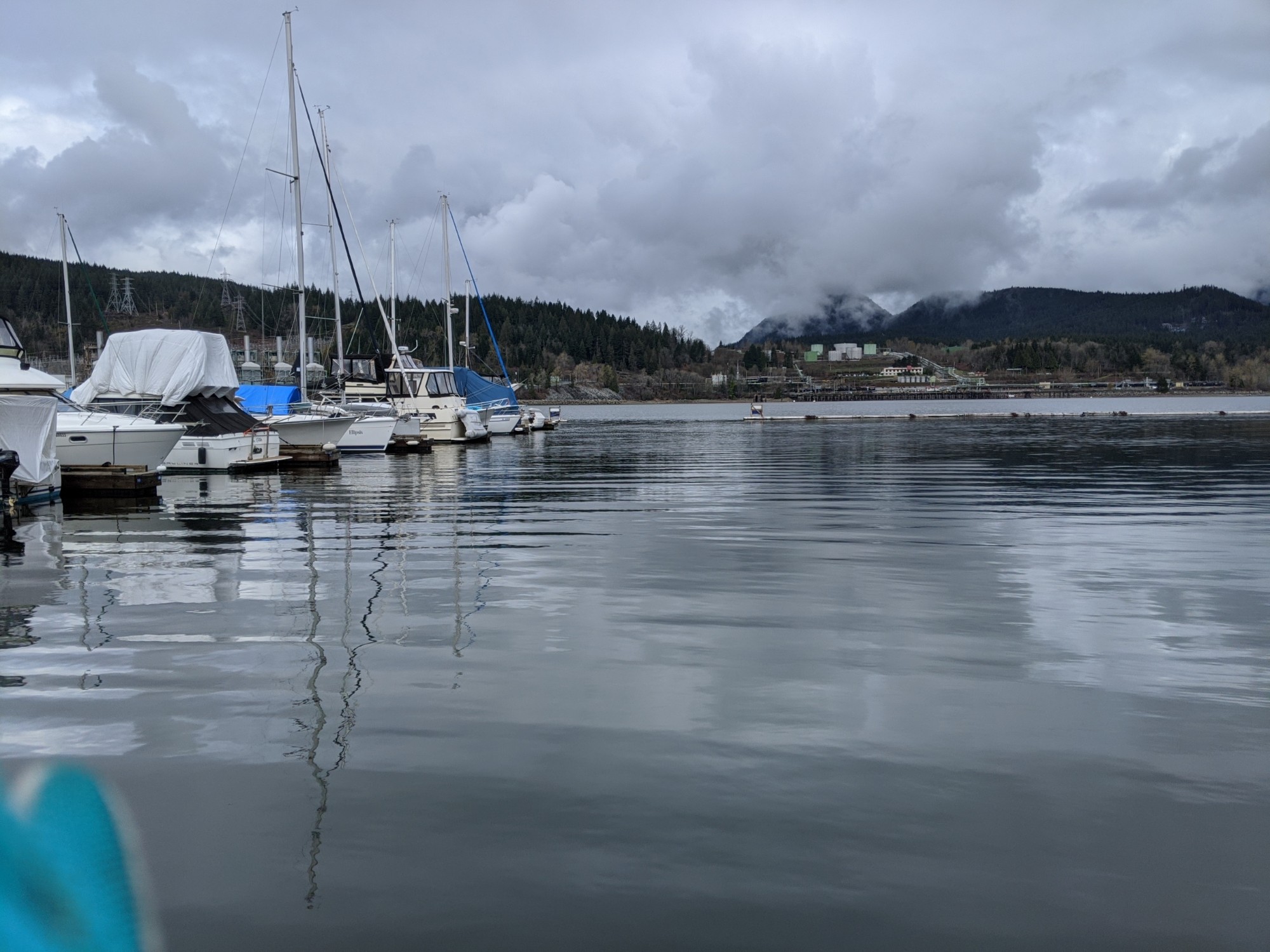
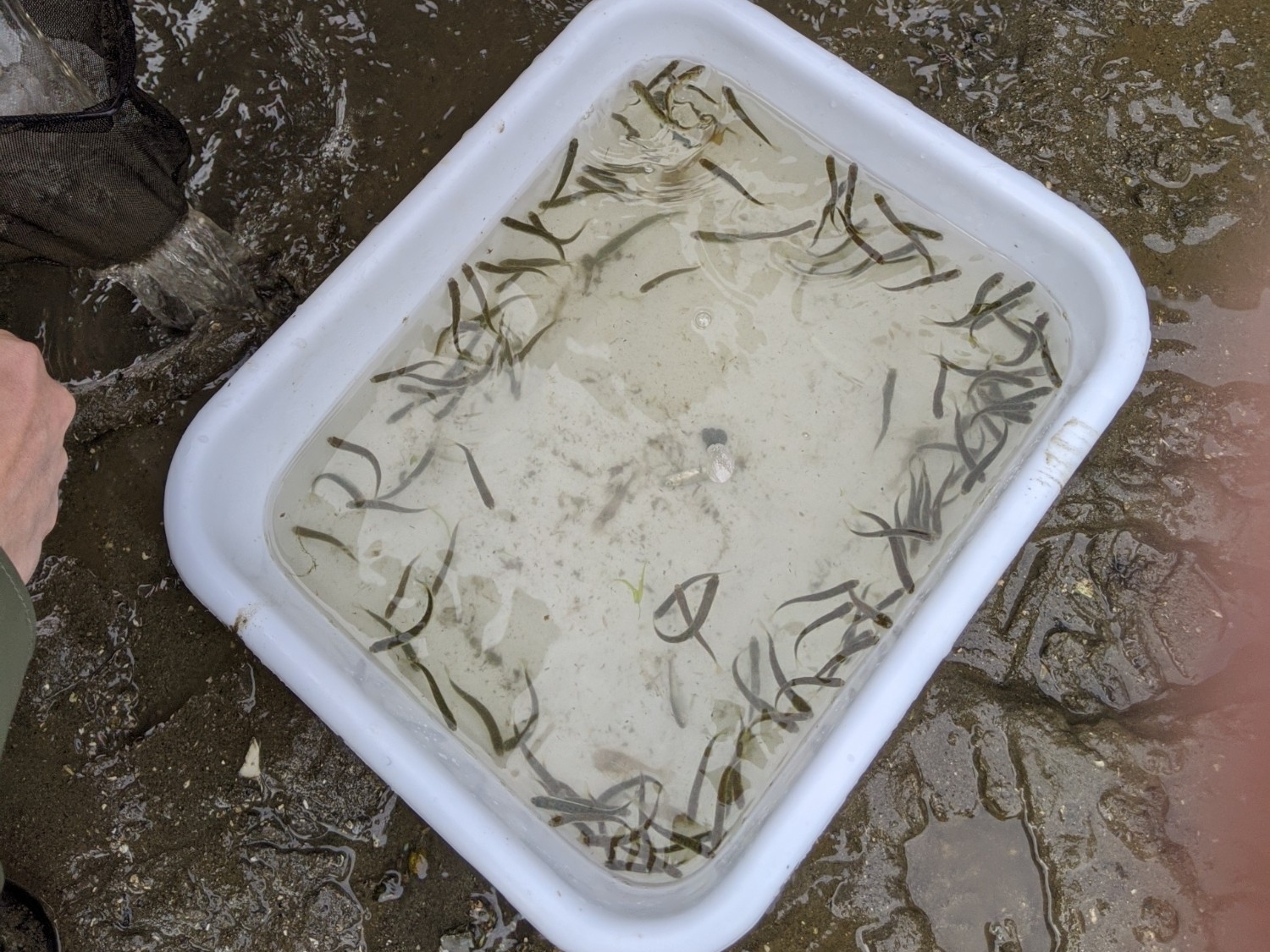
Dr. Bing Lu participated in an event organized by SFU Faculty of Environment - Taking Stock: Celebrate Earth Day With A Marine Life Inventory And Microplastic Assessment - to learn about stewardship of the Reed Point area and better understand changes in water quality and population dynamics in the Moody Arm.
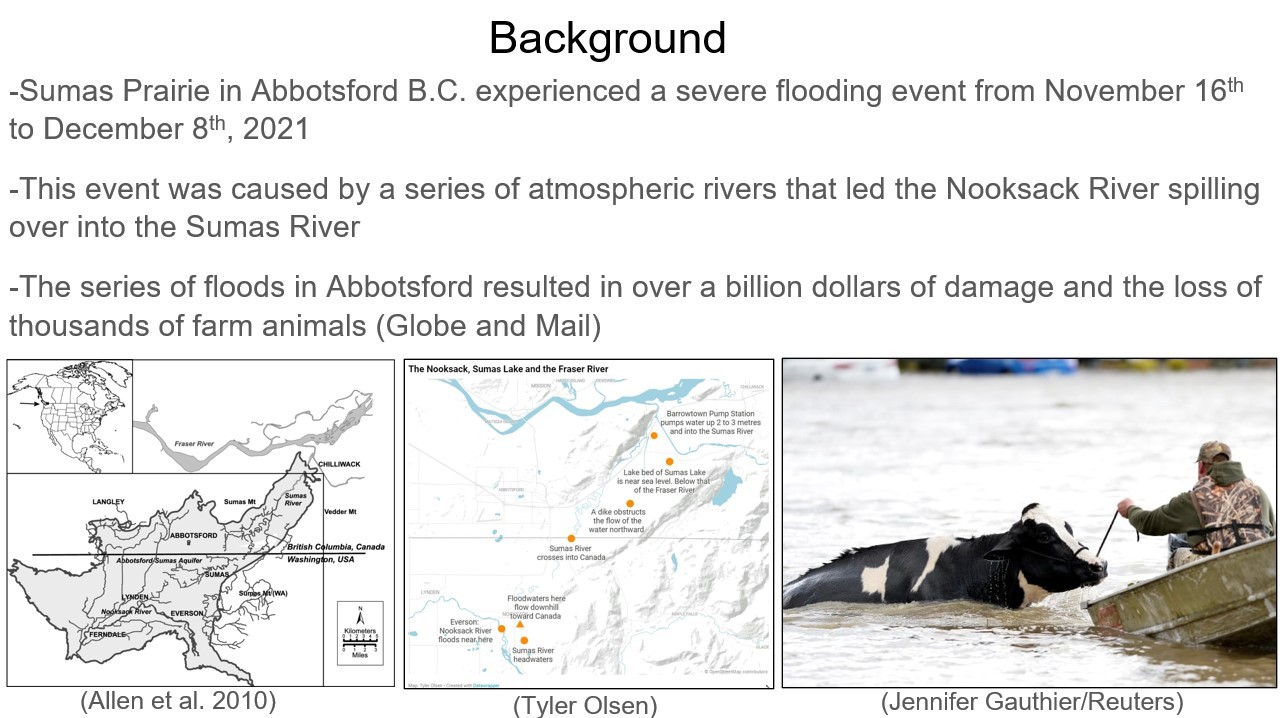
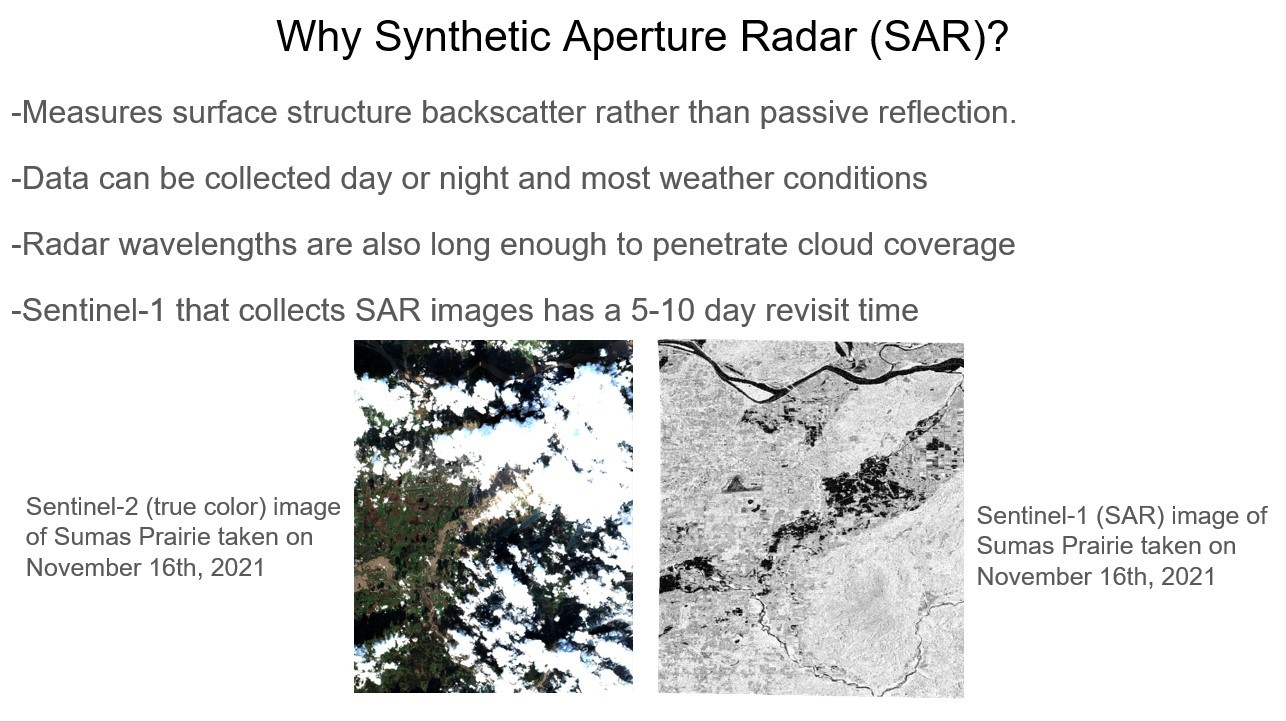
ReSEC Lab MSc student Ian McDonald made a presentation at the SFU Department of Geography 2023 Graduate Research Day. His presentation title is "Mapping the 2021 Abbotsford Floods Using Synthetic Aperture Radar (SAR)". Flooding mapping is an important part of his MSc research.
January ~ February 2023
Welcome Dr. Ali Jamali to join the ReSEC Lab as a Postdoctoral Fellow! Welcome Gloria Bigirwa to join as a work-study student! Both of them will work on agricultural remote sensing projects.
Dr. Bing Lu and his collaborators from the BC Blueberry Council and i-Open Group were invited to deliver a presentation on their agritech research during an Agritech session organized by the BC Centre for Agritech Innovation at the Pacific Ag Show. His collaborators made the presentation titled "AgTech Solutions for Virus Surveillance in Blueberry Fields"
Dr. Bing Lu was invited by the BC Agricultural Climate Action Research Network to speak at the BC Agricultural Research Data Protocol Workshop and talk about his remote sensing research. His presentation title is "Remote Sensing for Evaluating Health of Agricultural Ecosystems".
November ~ December 2022
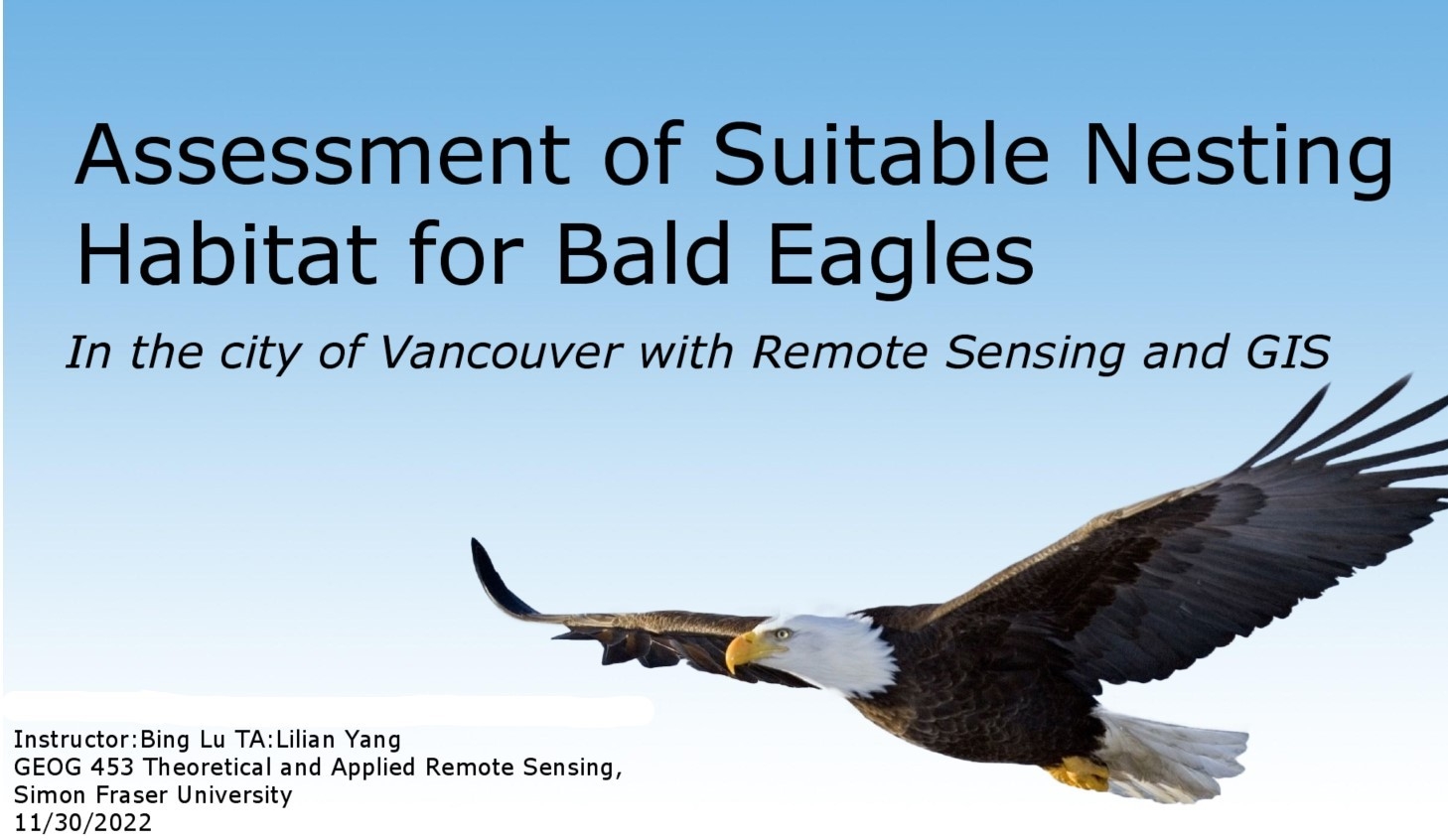
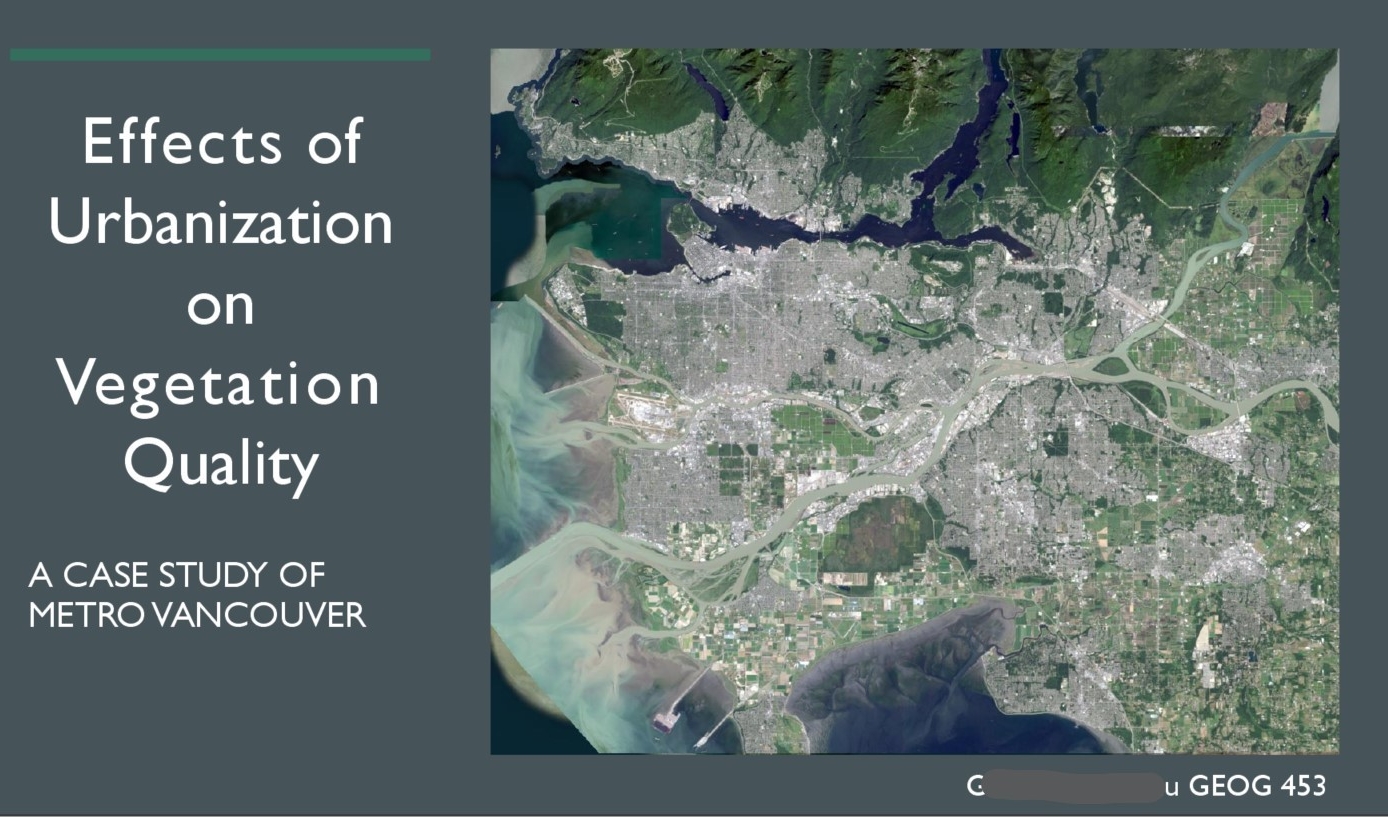
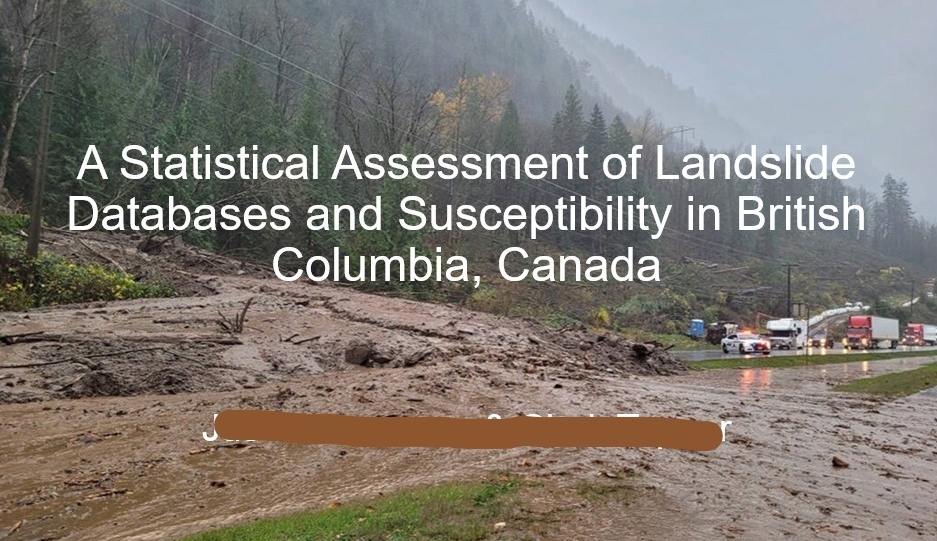
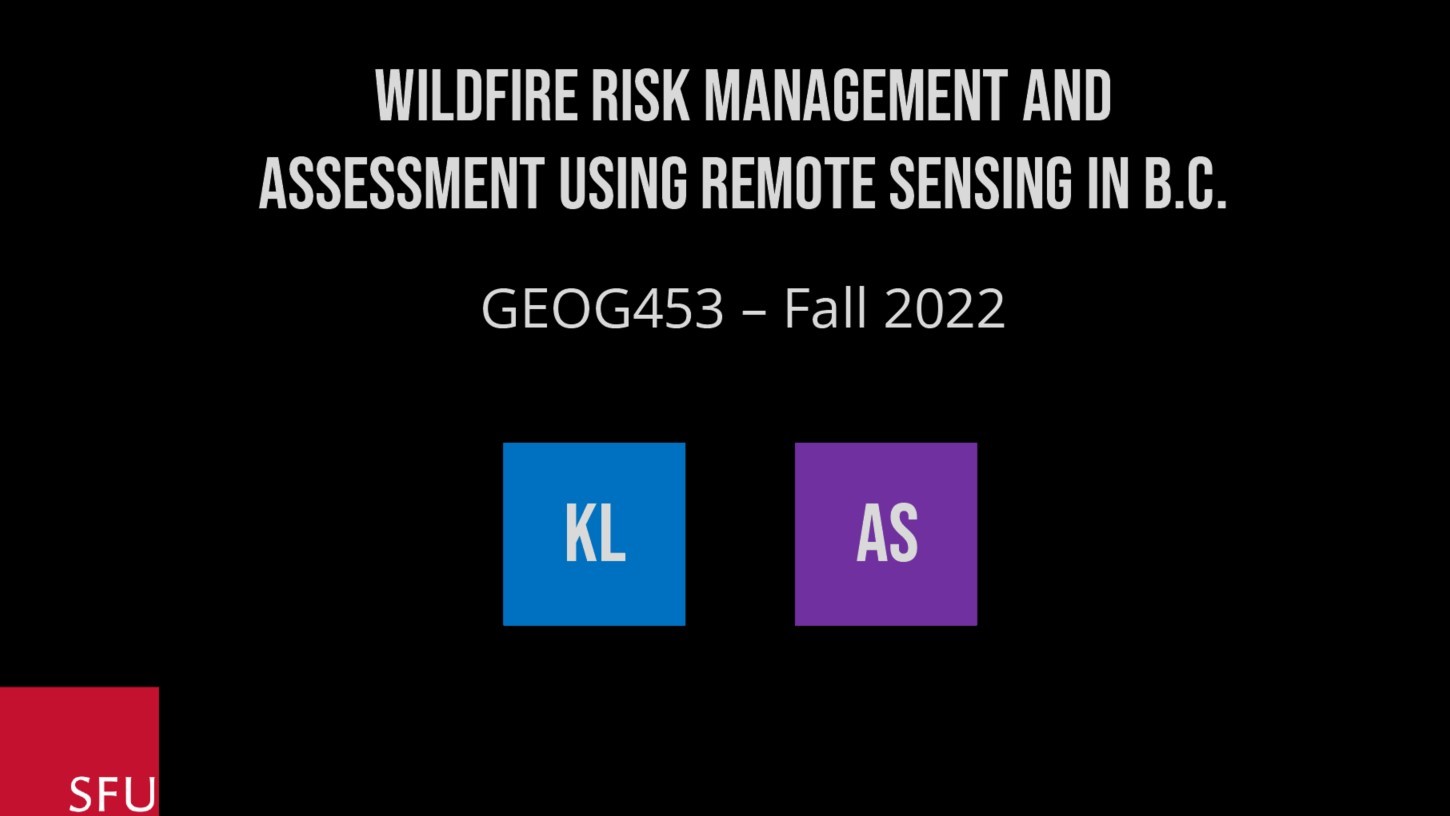
Students in GEOG 453 Theoretical and Applied Remote Sensing and GEOG 653 Remote Sensing of Environment have been working on real-world remote sensing projects that they designed in the Fall 2022 semester. Eventually all the teams submitted excellent research reports and delivered wonderful presentations.
October 2022
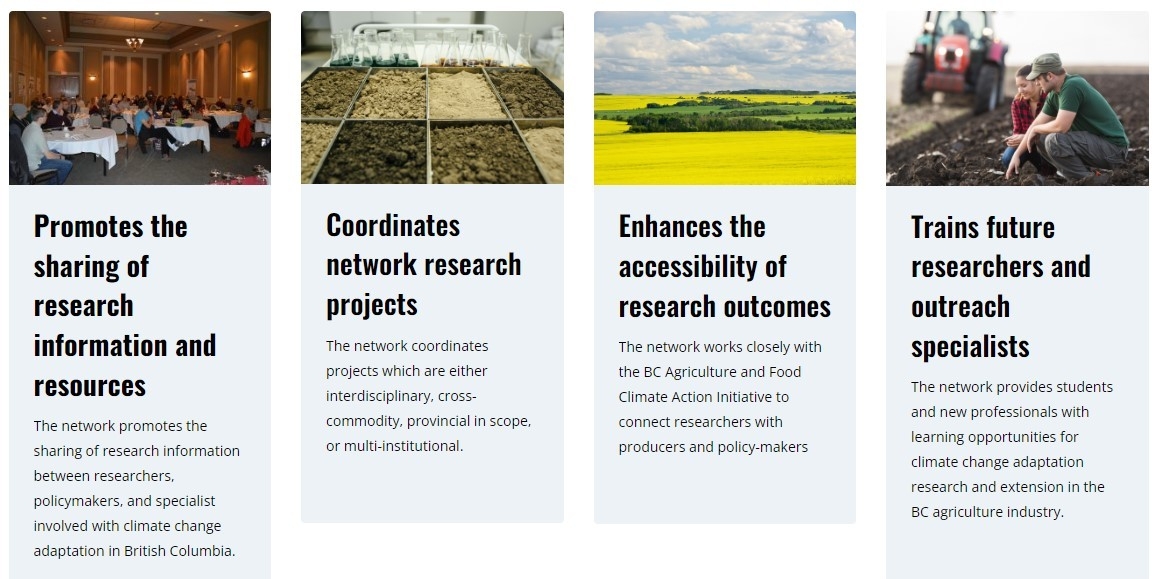
Dr. Bing Lu attended a steering committee meeting of the British Columbia Agricultural Climate Action Research Network (ACARN). The mission of this Research Network is "Foster collaboration among researchers, government, and producers in order to catalyze effective, research-backed climate solutions for B.C. food producers." More details of this Network, including events, resources, and projects, can be found via above link. If you are an agricultural researcher/professional in BC, welcome to join this Research Network!
September 2022
ReSEC Lab welcomes Sohan Seemakurthy and Sze ki Ng to join the Lab as Work-Study students. They will work on data processing and analysis for an agricultural project.
August 2022
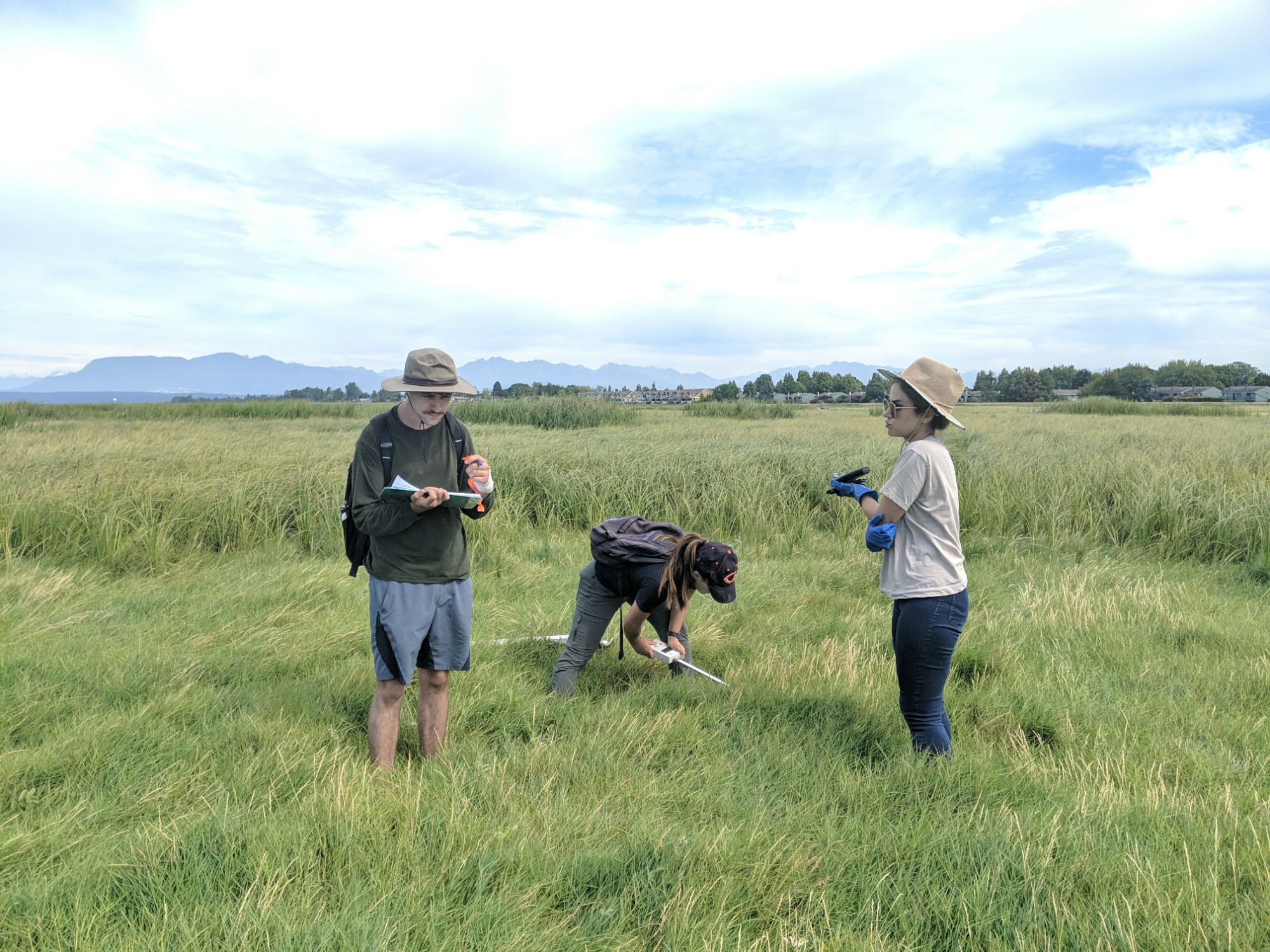
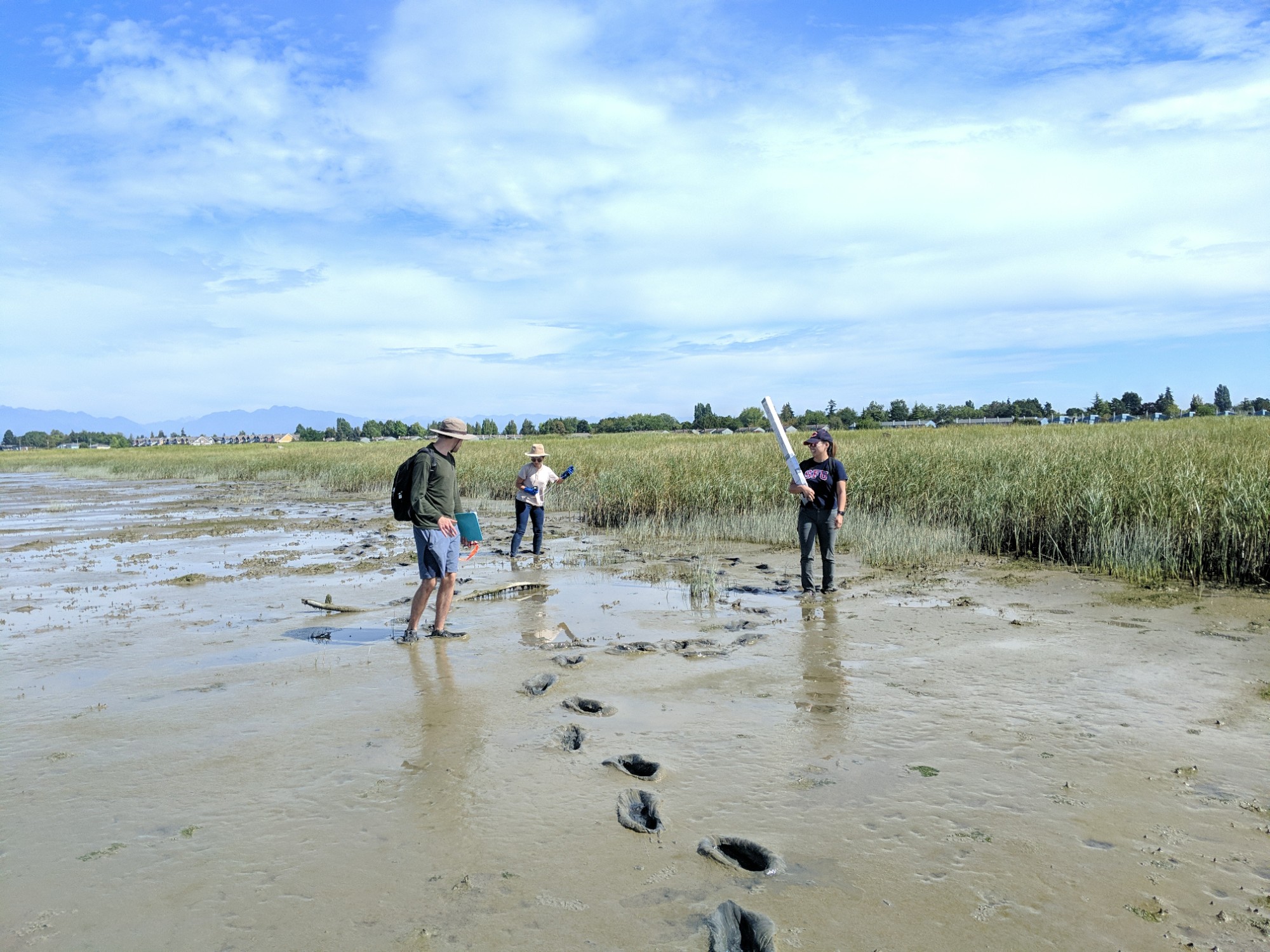
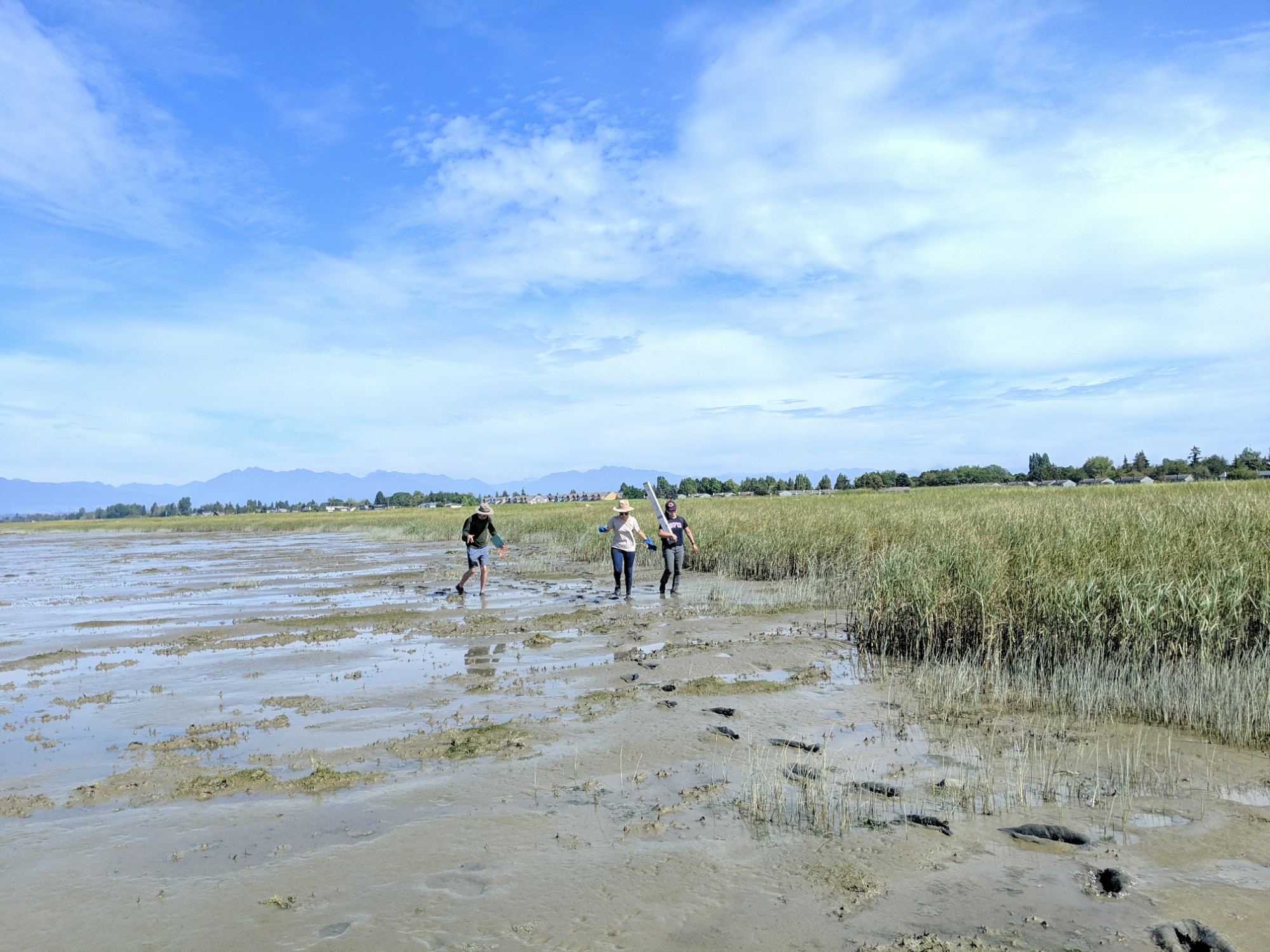
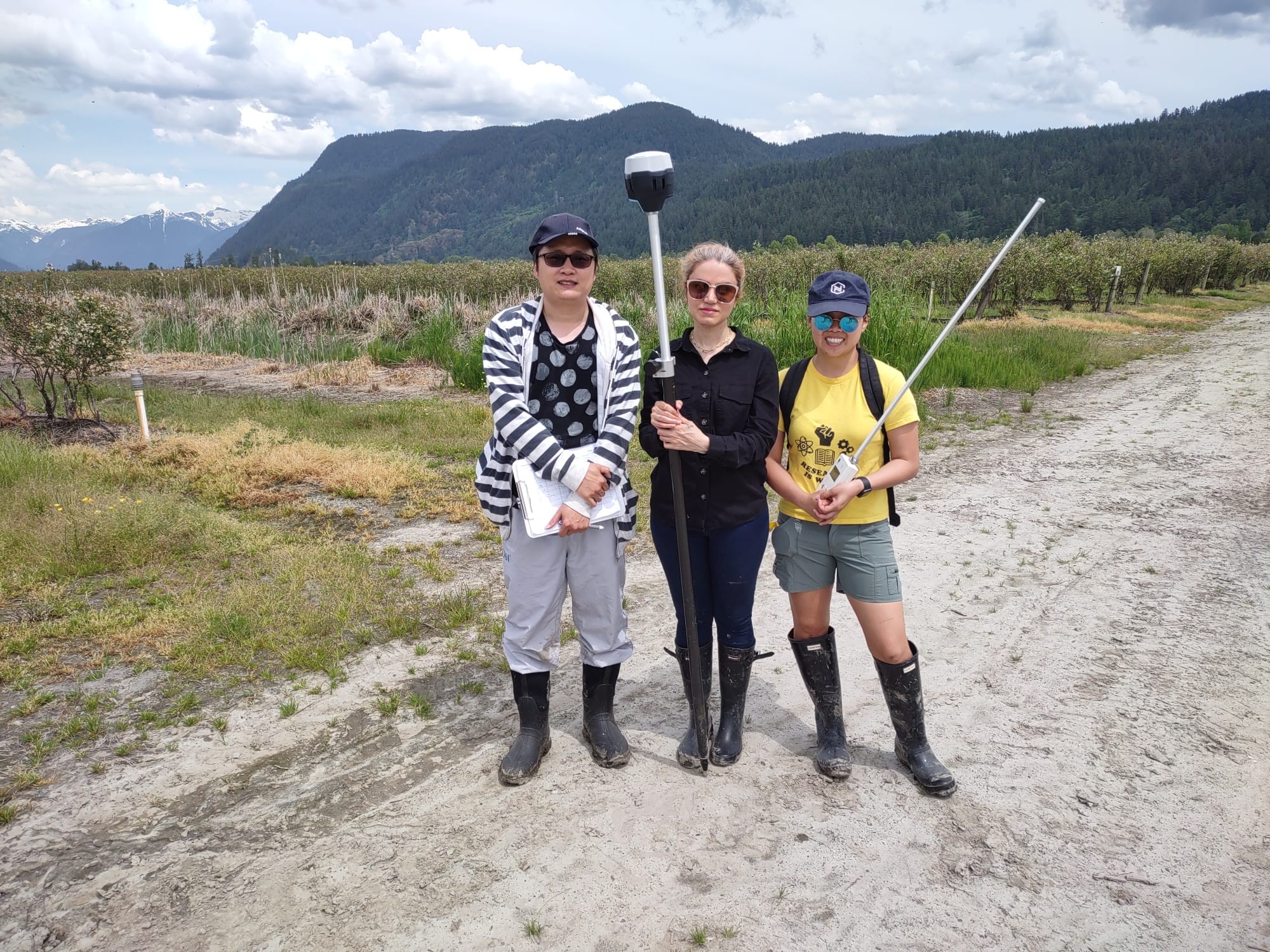
Members of ReSEC Lab Ian, Parisa, and Lilian surveyed vegetation in south coastal region of British Columbia to support a hyperspectral imaging mission. Field survey is challenging, but lots of fun!
July 2022
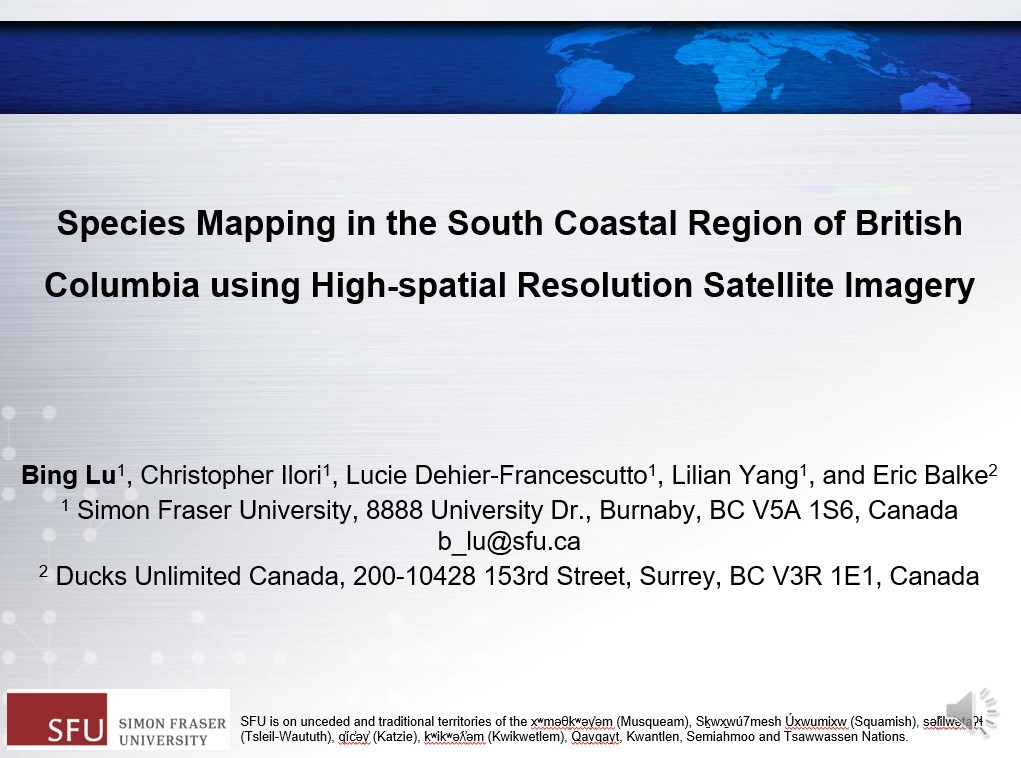
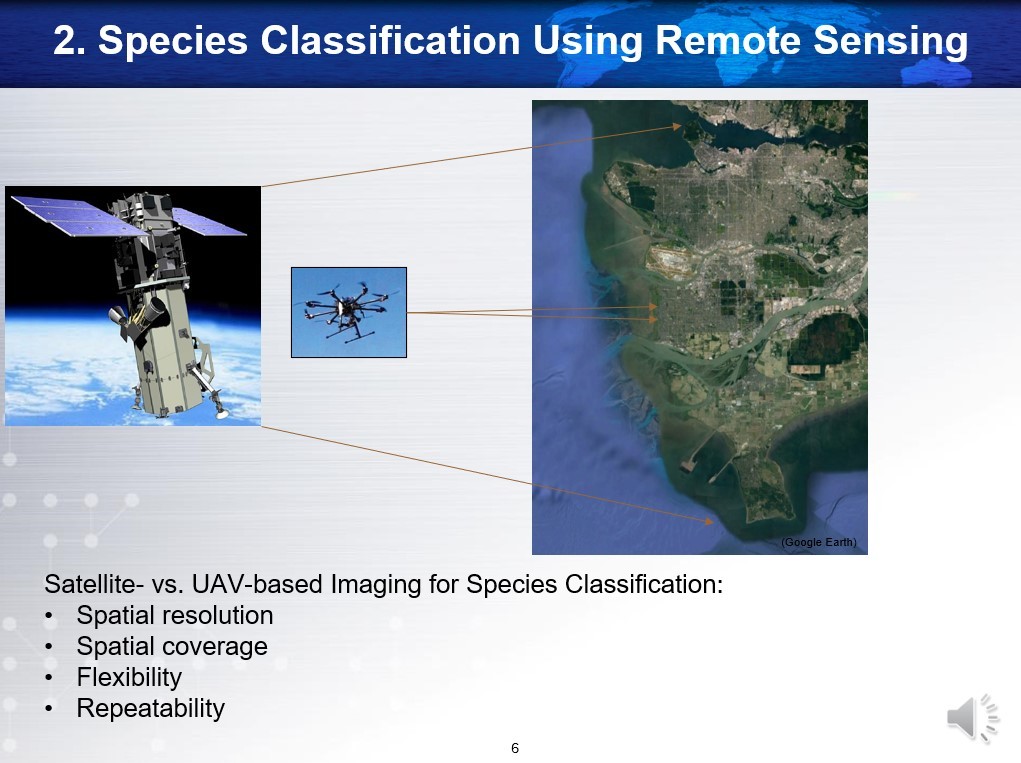
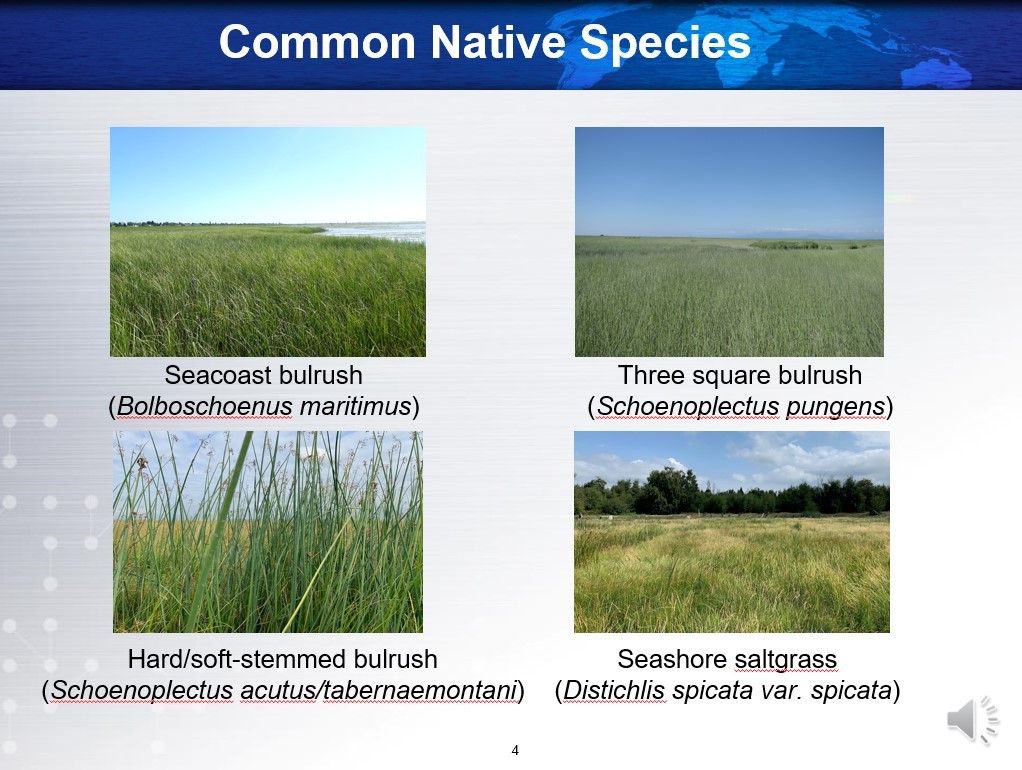
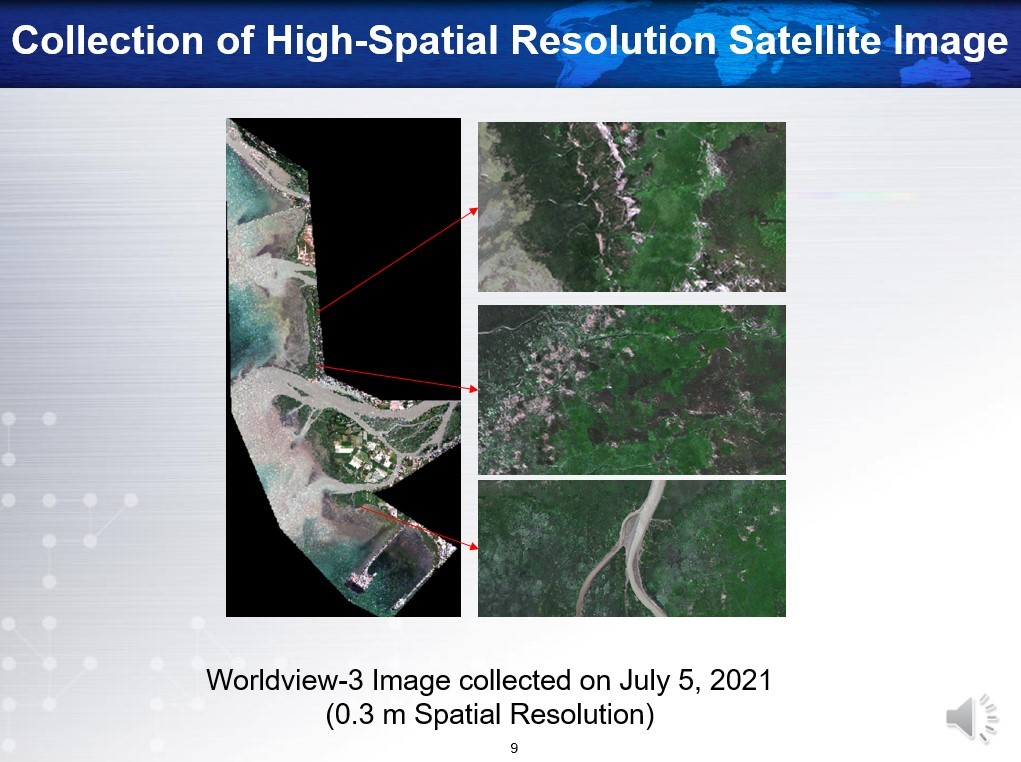
Dr. Bing Lu attended the 10th International Conference on Agro-Geoinformatics and 43rd Canadian Symposium on Remote Sensing, and made a presentation about mapping species and their distribution in British Columbia's south coast using remote sensing.
June 2022
1. Dr. Bing Lu received a Discovery & Launch Supplement grant from the Natural Sciences and Engineering Research Council of Canada (NSERC) to investigate health of grassland-wetland ecosystems using remote sensing big data and support the ecosystem conservation. More details can be found in a SFU Faculty of Environment news here: SFU Geographer shakes up ecosystem monitoring with innovative remote sensing technologies.
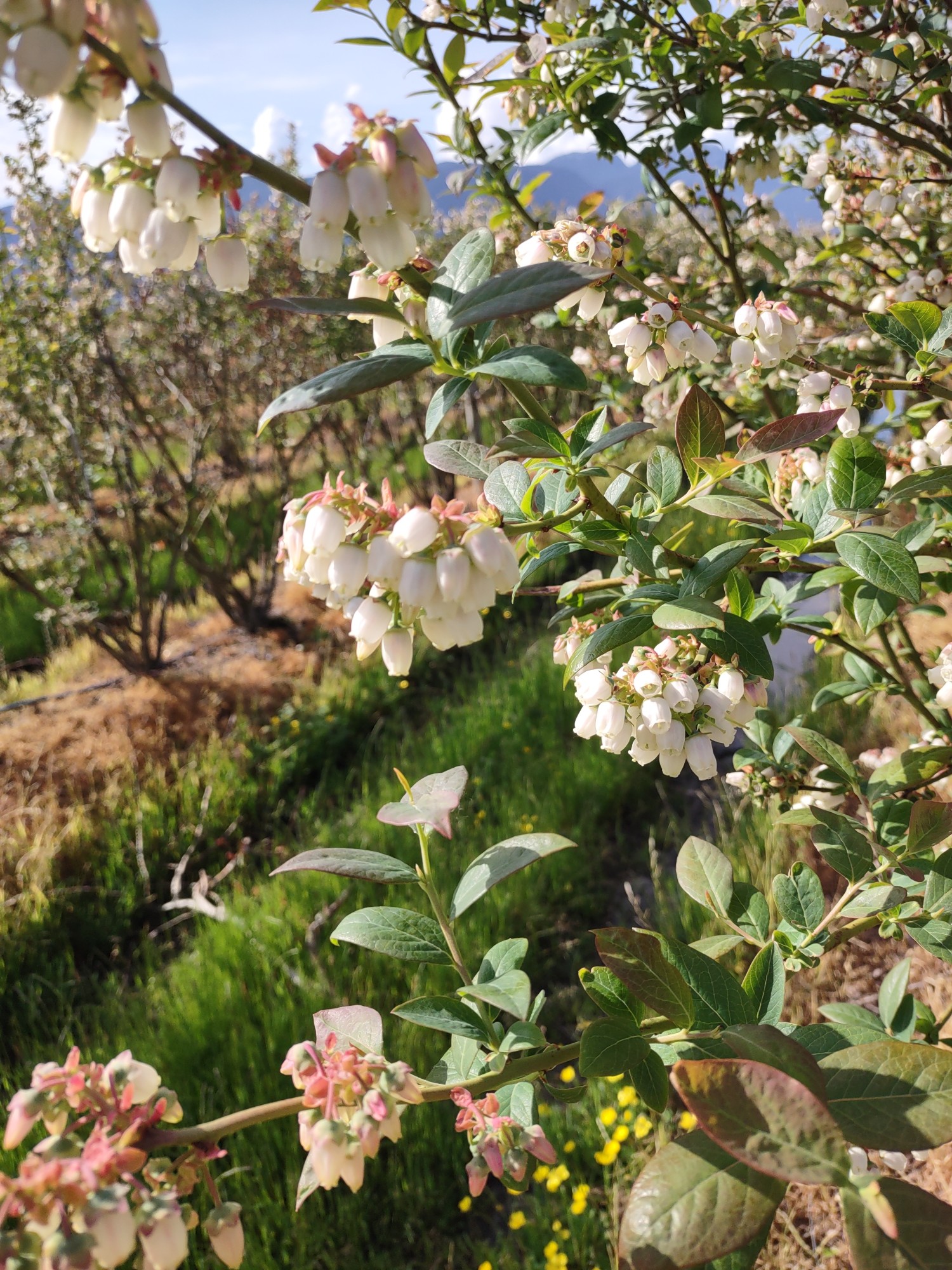
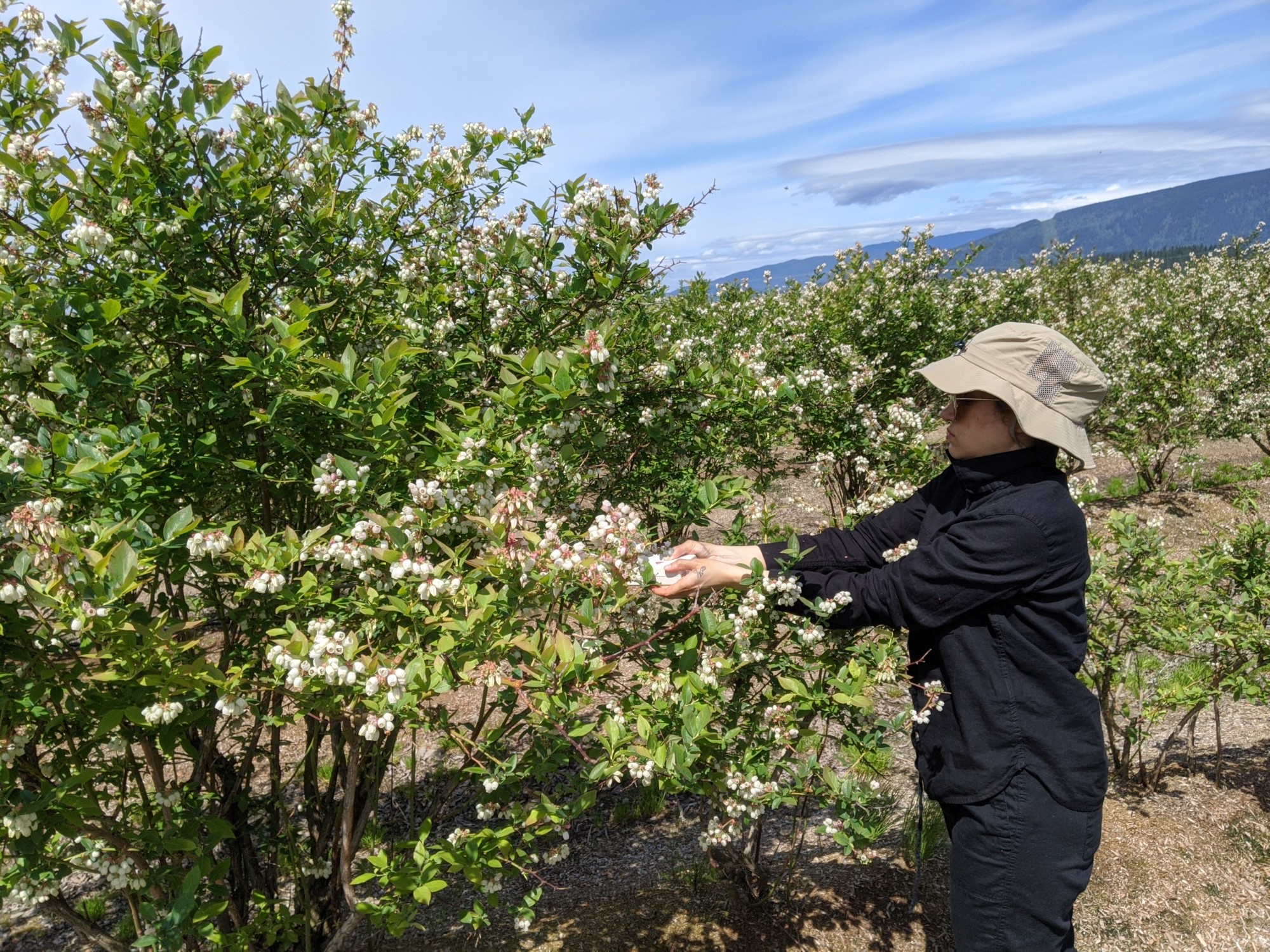
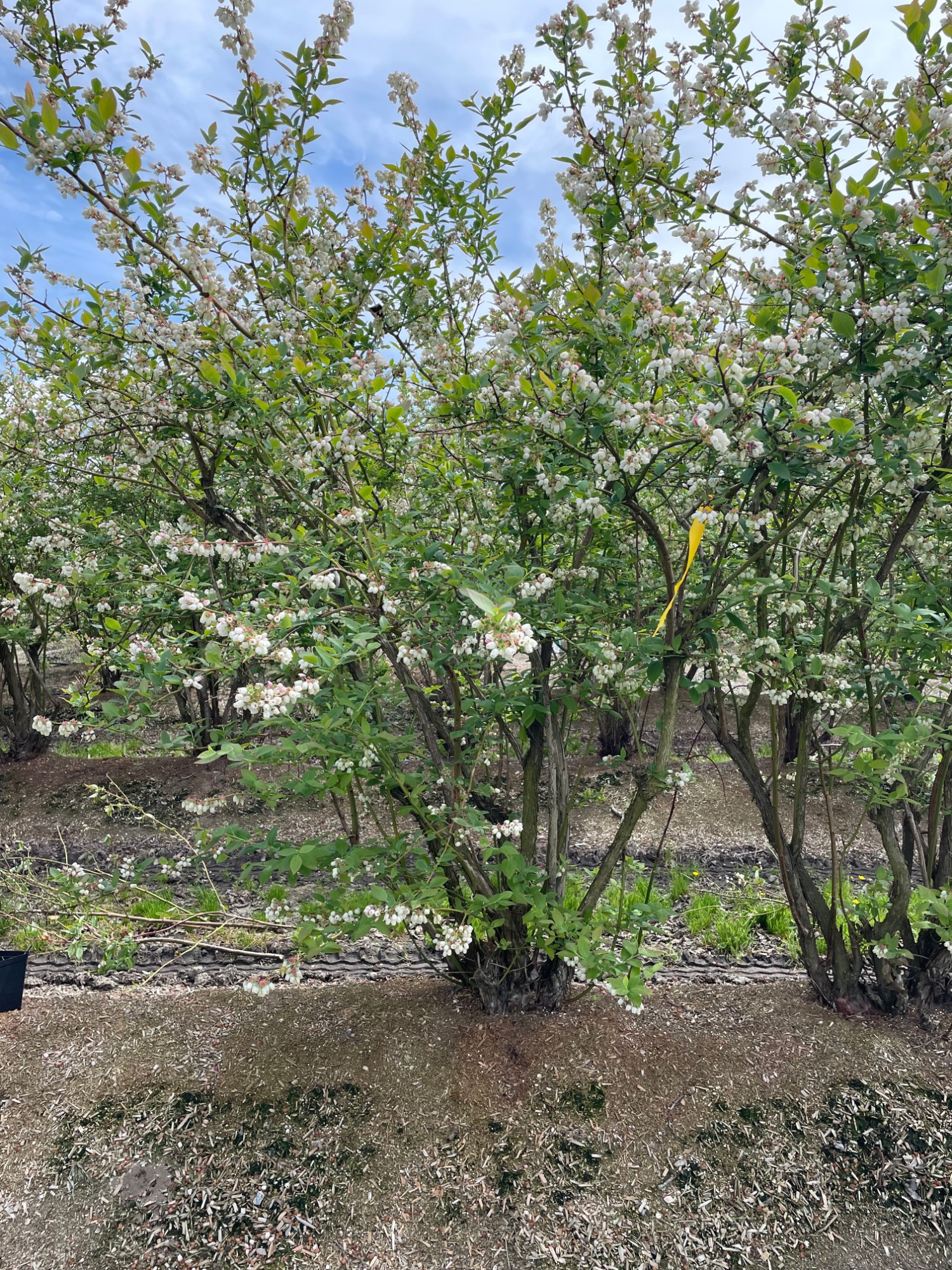
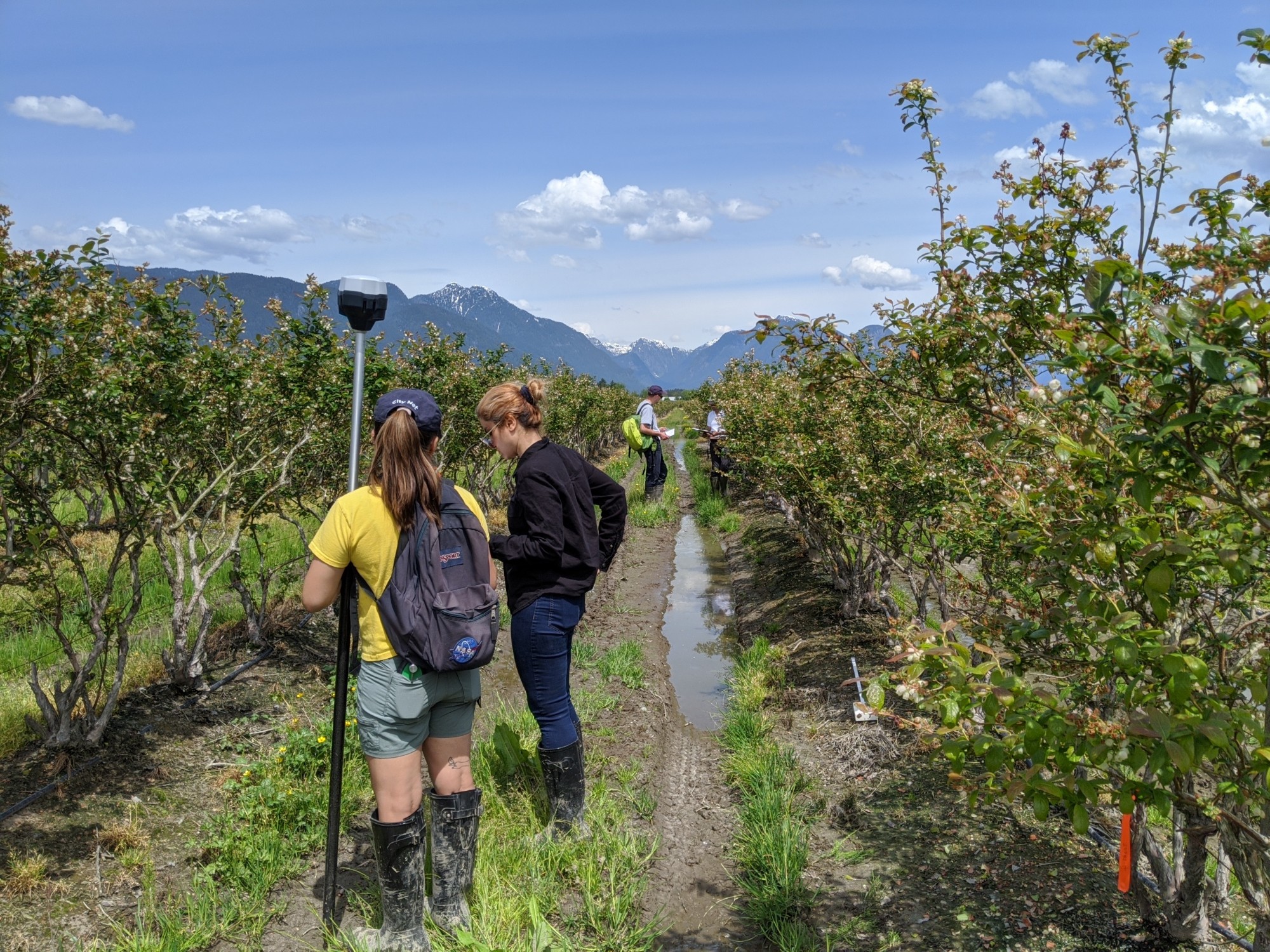
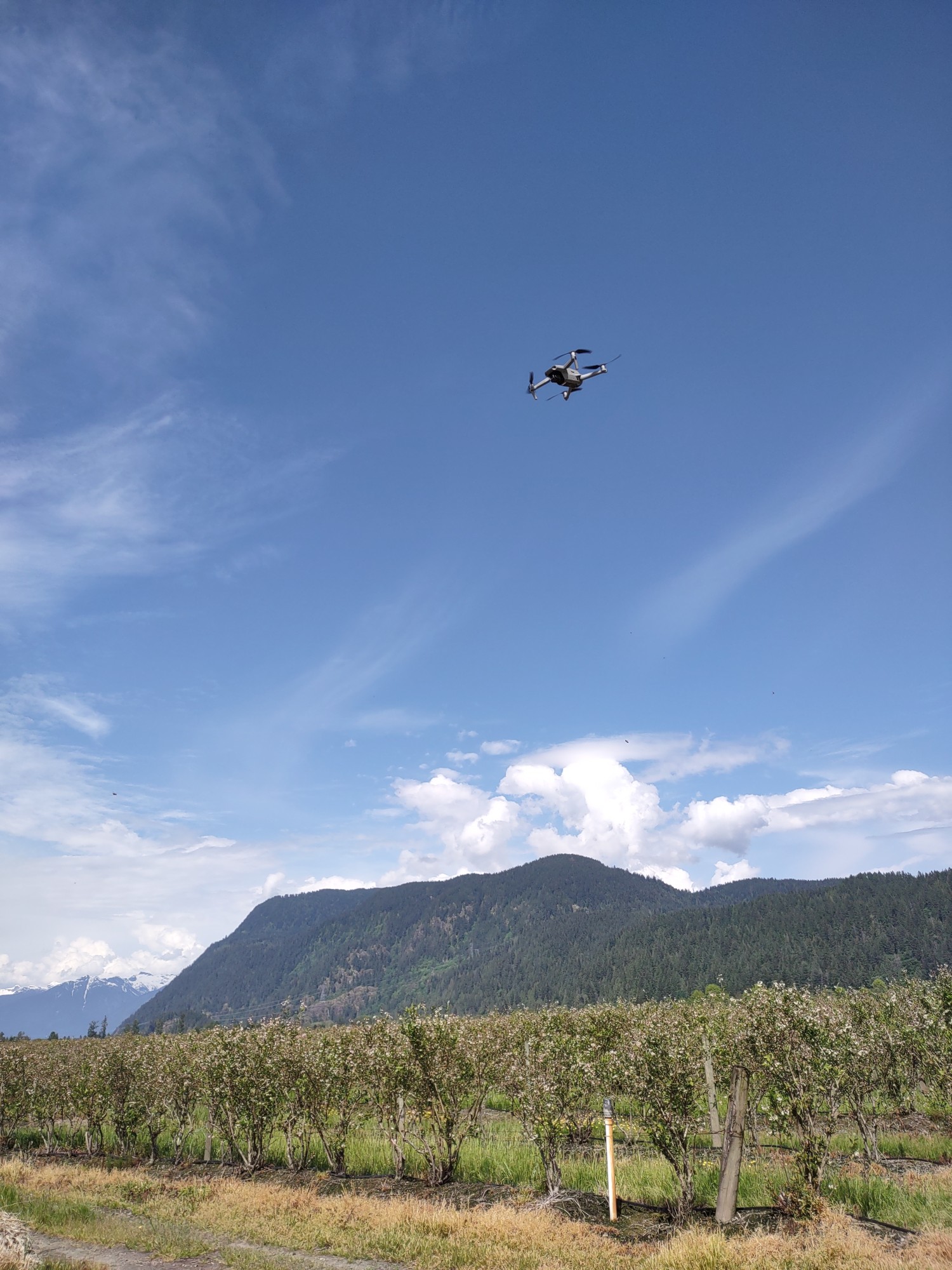
2. Members of ReSEC Lab worked with collaborators from multiple organizations to investigate health of blueberry bushes at the mid growing season. (Some photos by Bruce Milligan)
May 2022
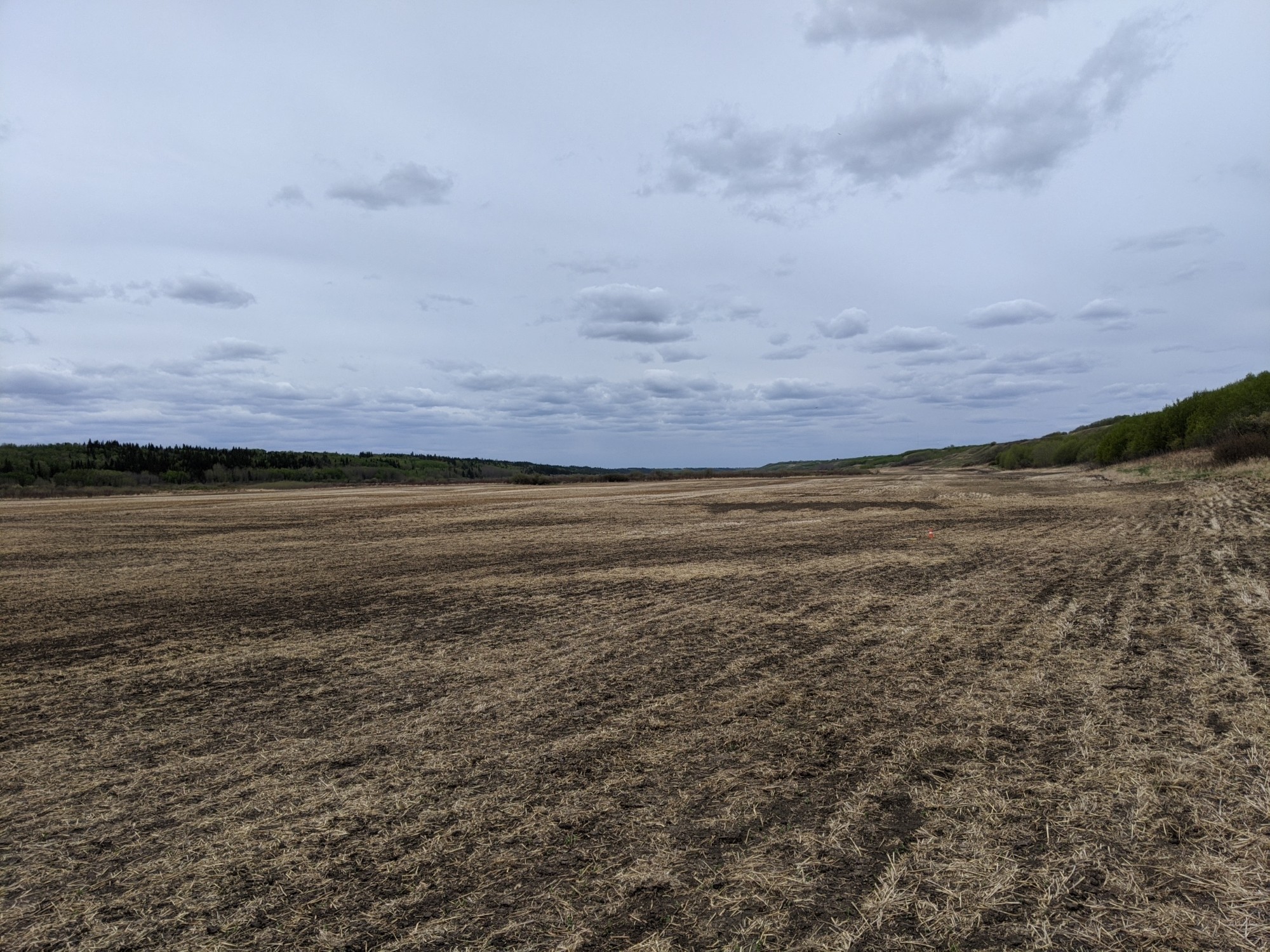
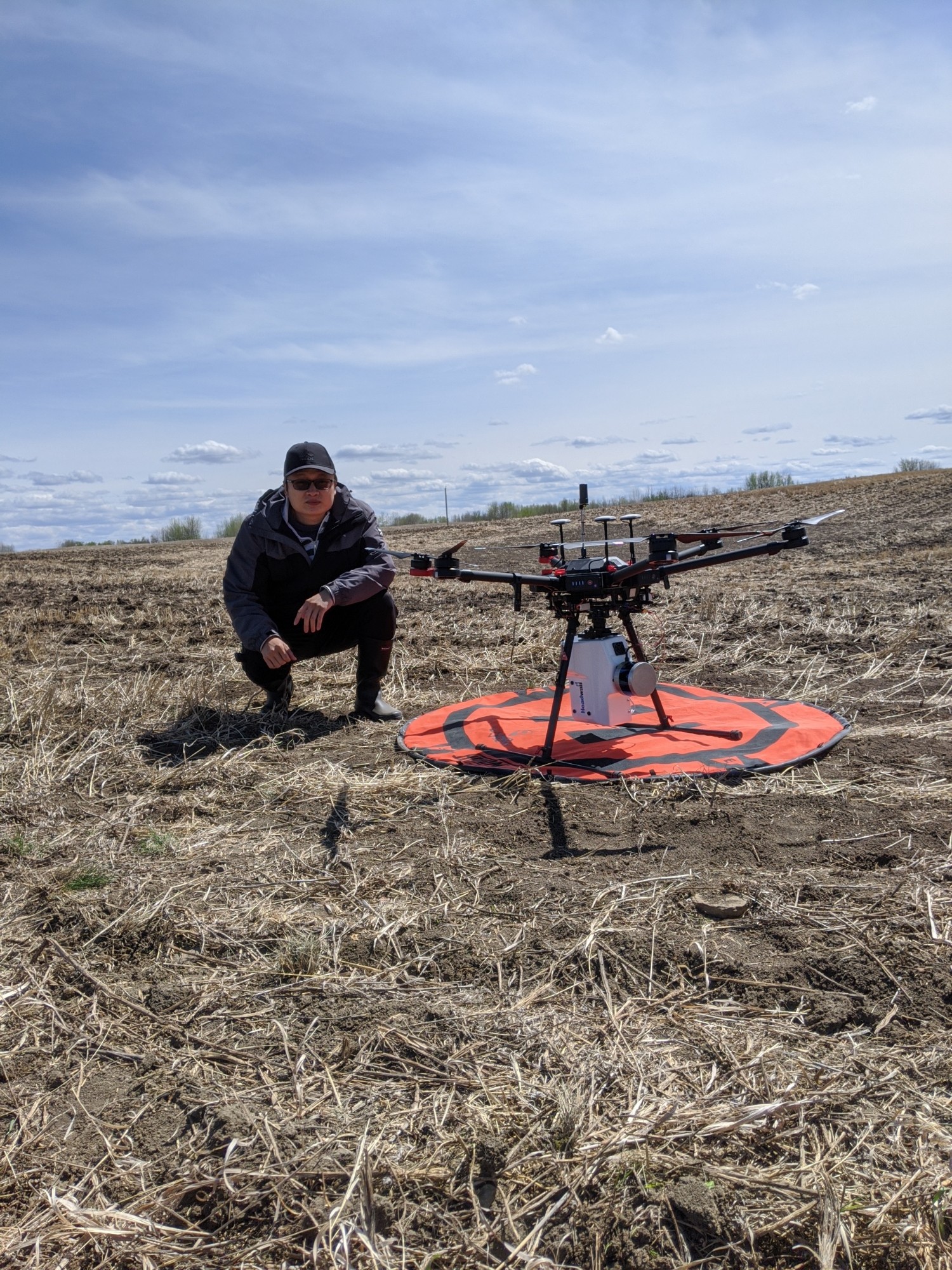
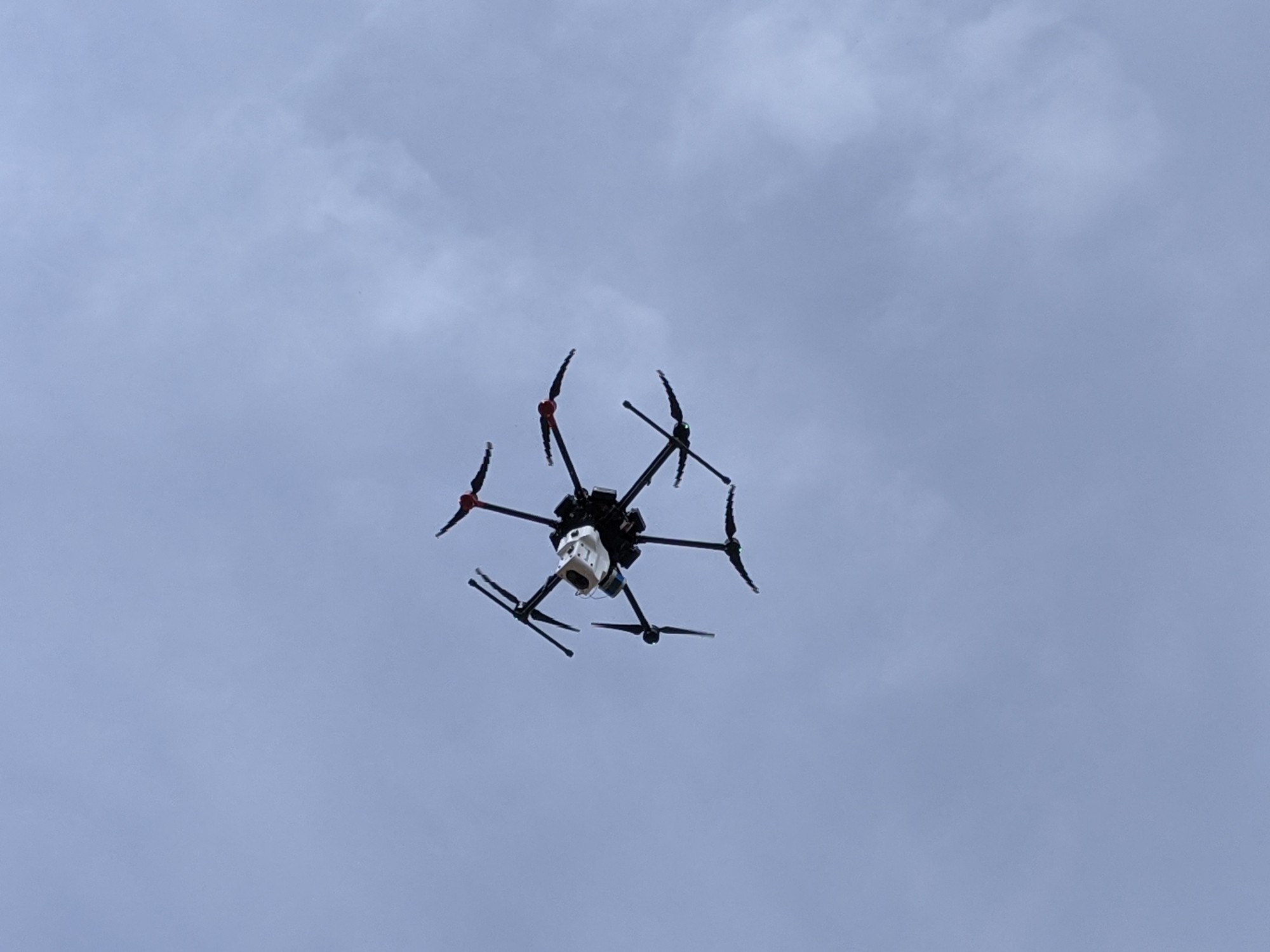
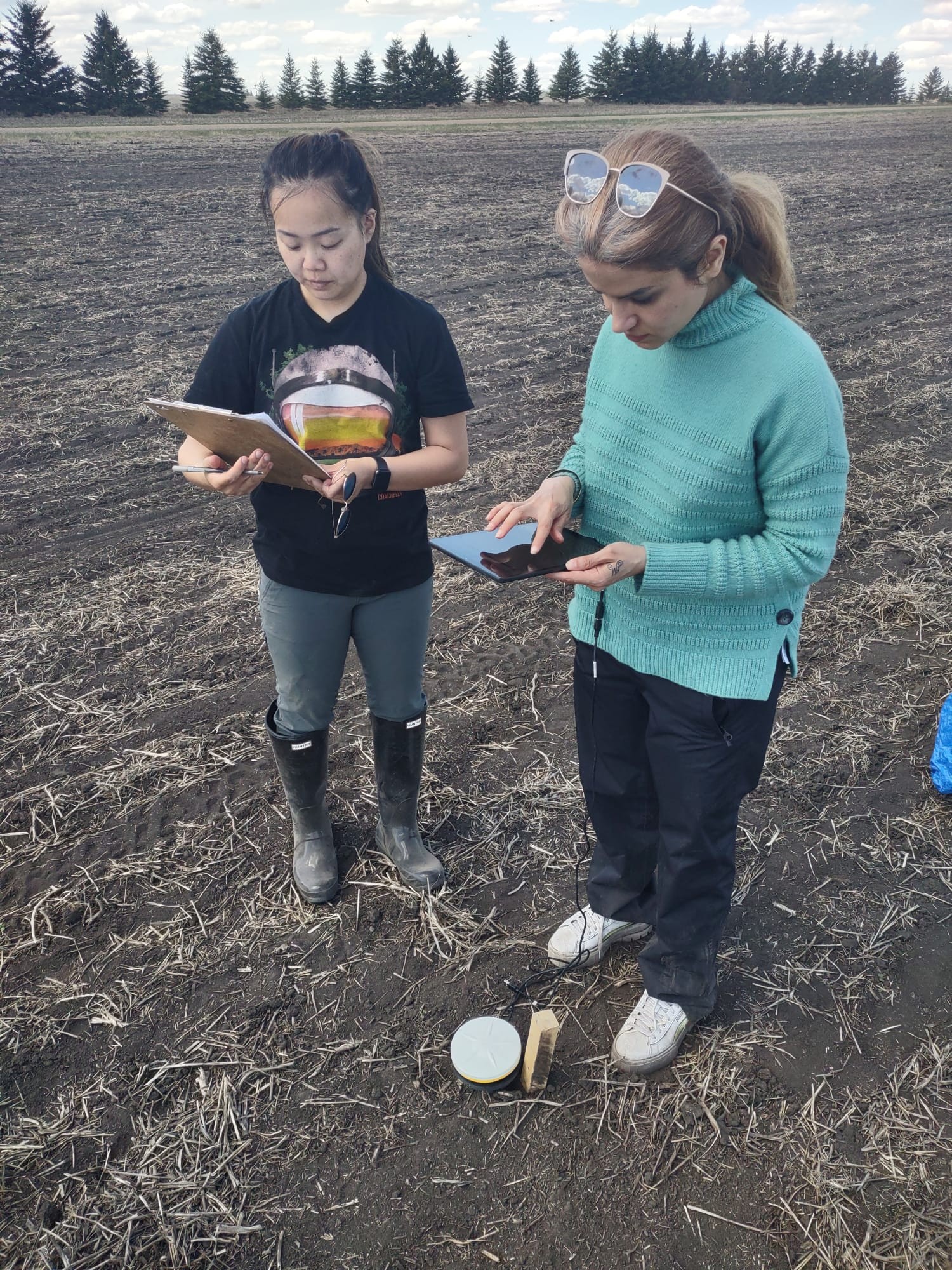
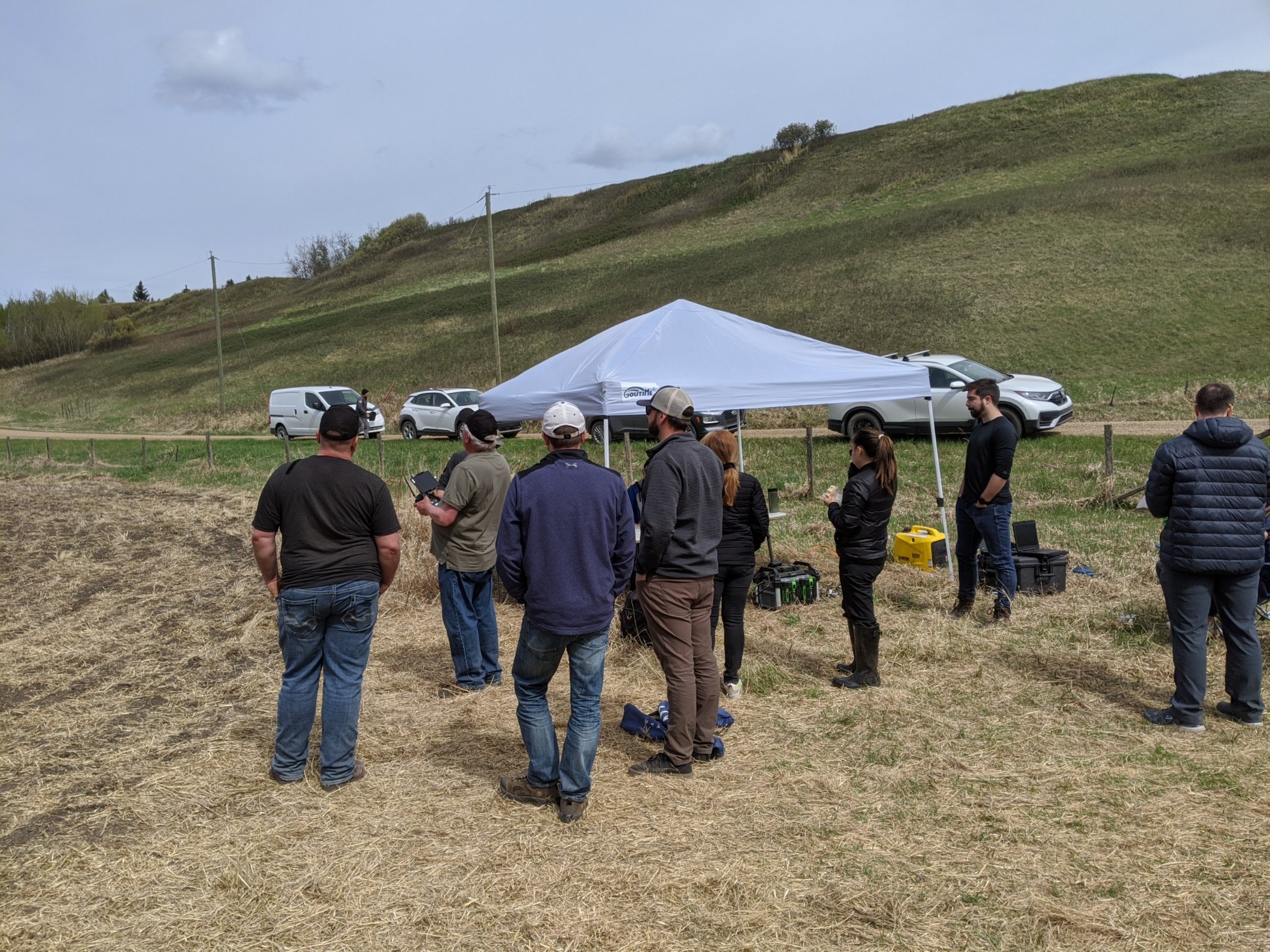
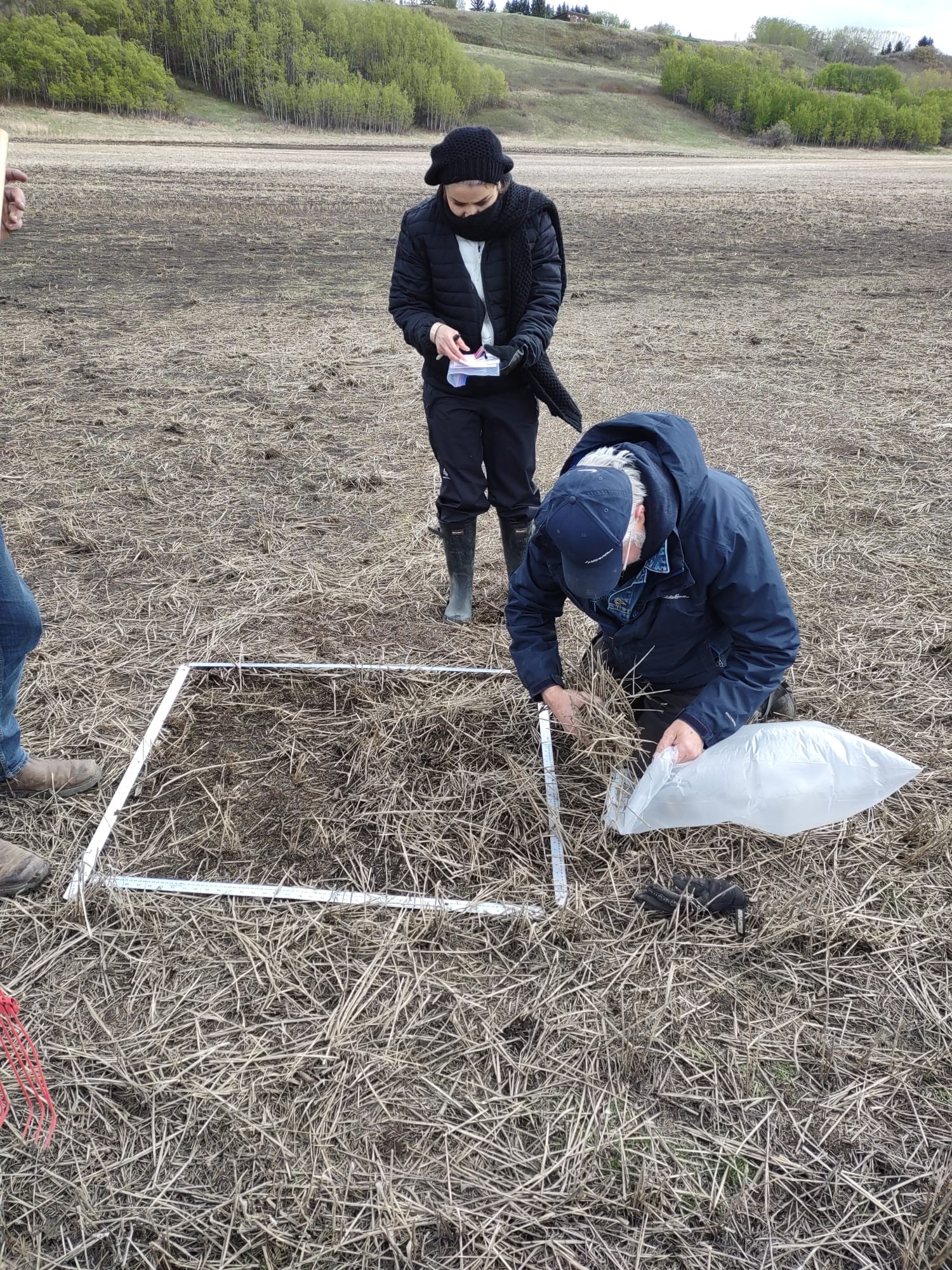
1. Members of ReSEC Lab worked with collaborators from Terramera and LandsView to conduct soil surveys and drone flights in Camrose, Alberta. We tried to map soil cover, soil organic carbon, and other parameters to better understand soil health. Drone-based multispectral, hyperspectral, and LiDAR imaging have been used. Satellite-based high-spatial resolution WorldView 3 images have also been collected. Field surveys were conducted simultaneously. Thanks to all the crew members for their hard work! (Some photos by Bruce Milligan)
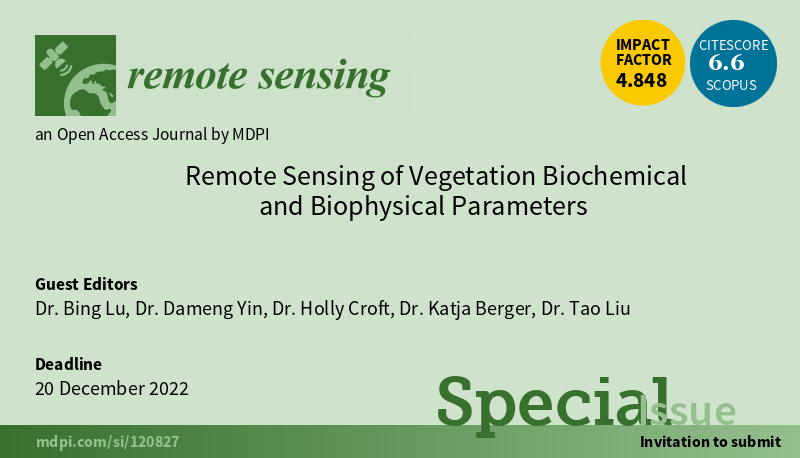
2. Dr. Bing Lu is organizing a Special Issue titled "Remote Sensing of Vegetation Biochemical and Biophysical Parameters" in the journal Remote Sensing (Impact Factor 4.8) with Dr. Dameng Yin from Chinese Academy of Agricultural Sciences, Dr. Holly Croft from University of Sheffield, Dr. Katja Berger from Ludwig-Maximilians-University of Munich, and Dr. Tao Liu from Michigan Tech. We welcome contributions in related research areas. More details can be found here.
April 2022
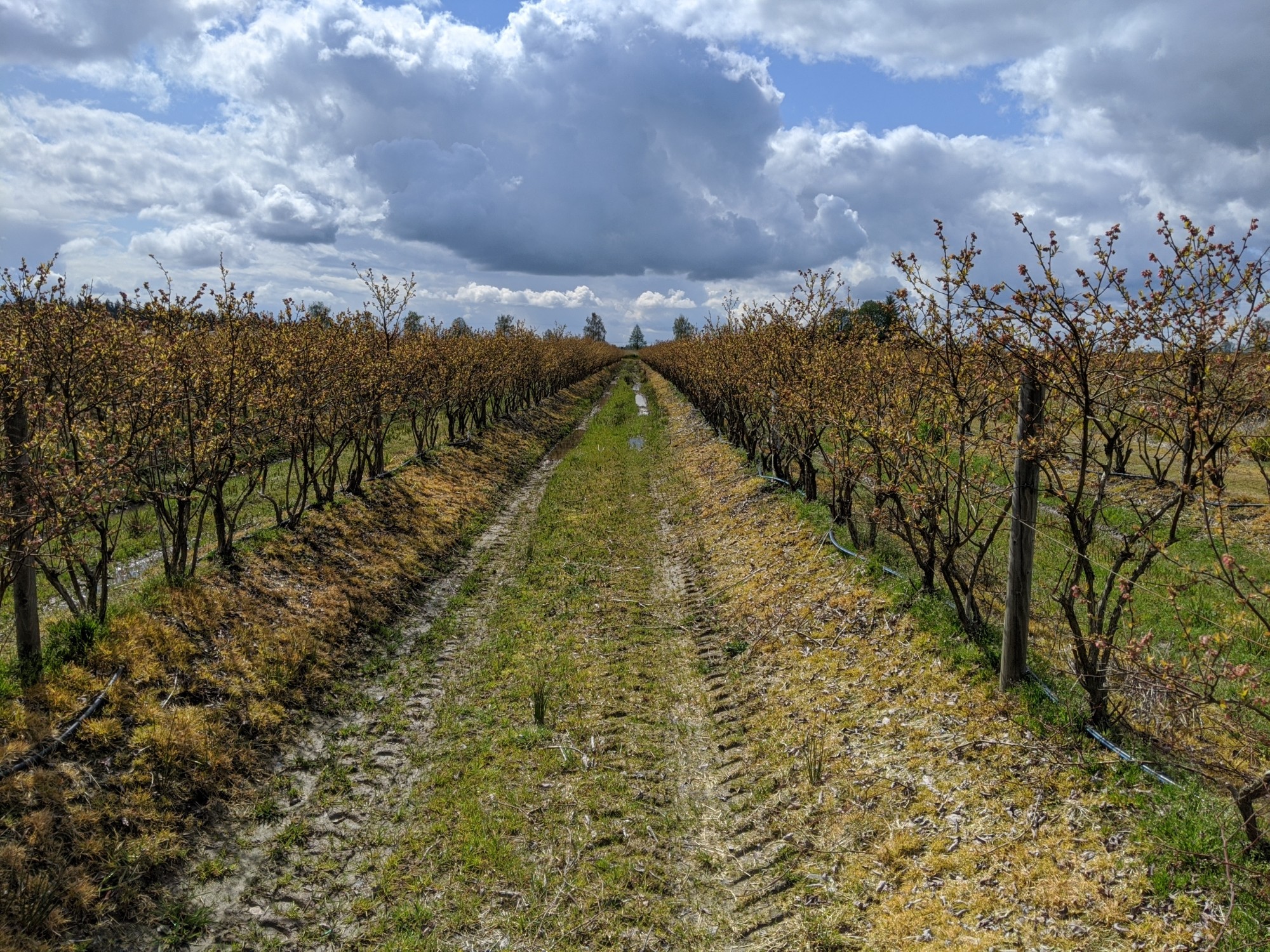
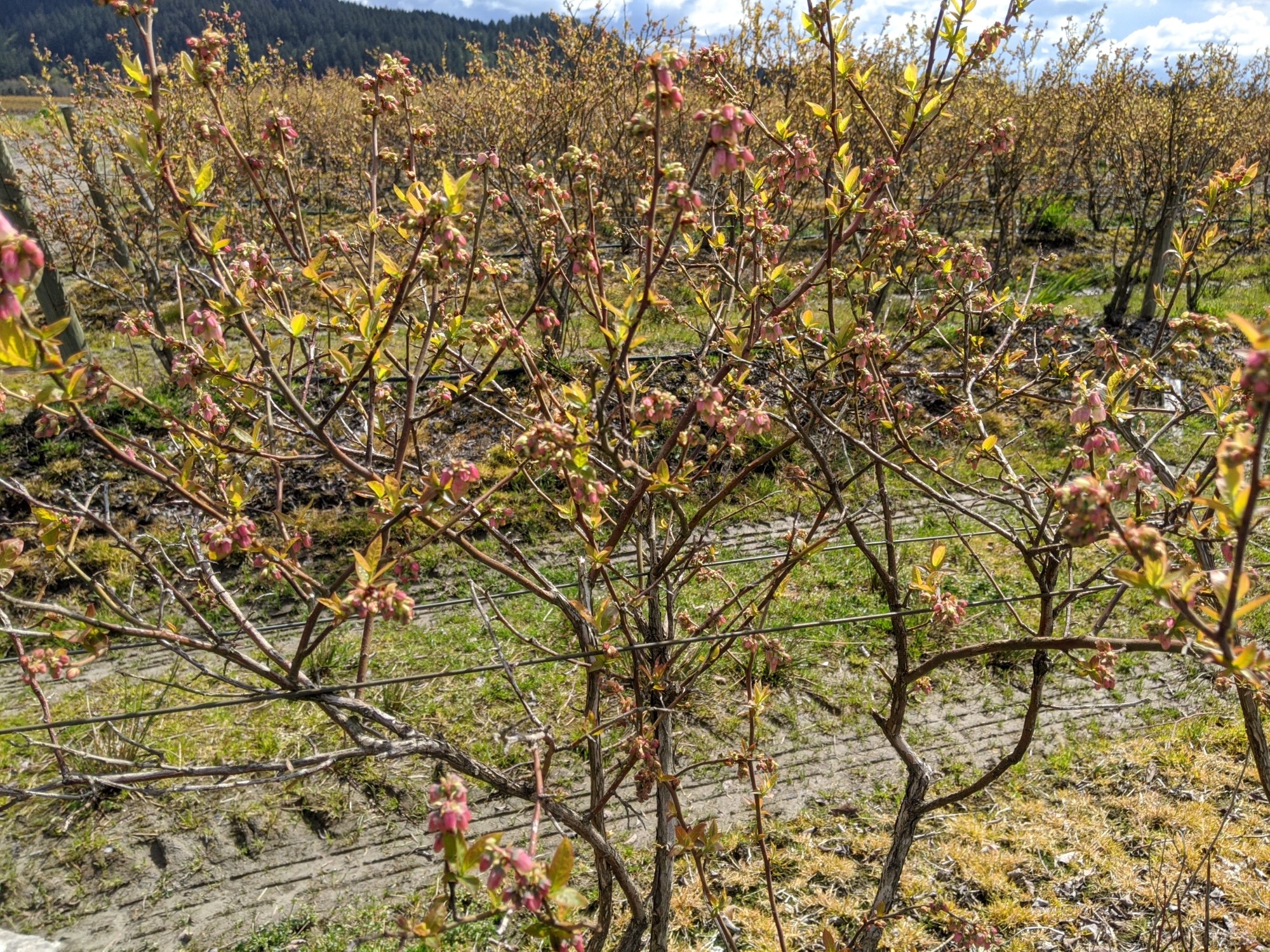
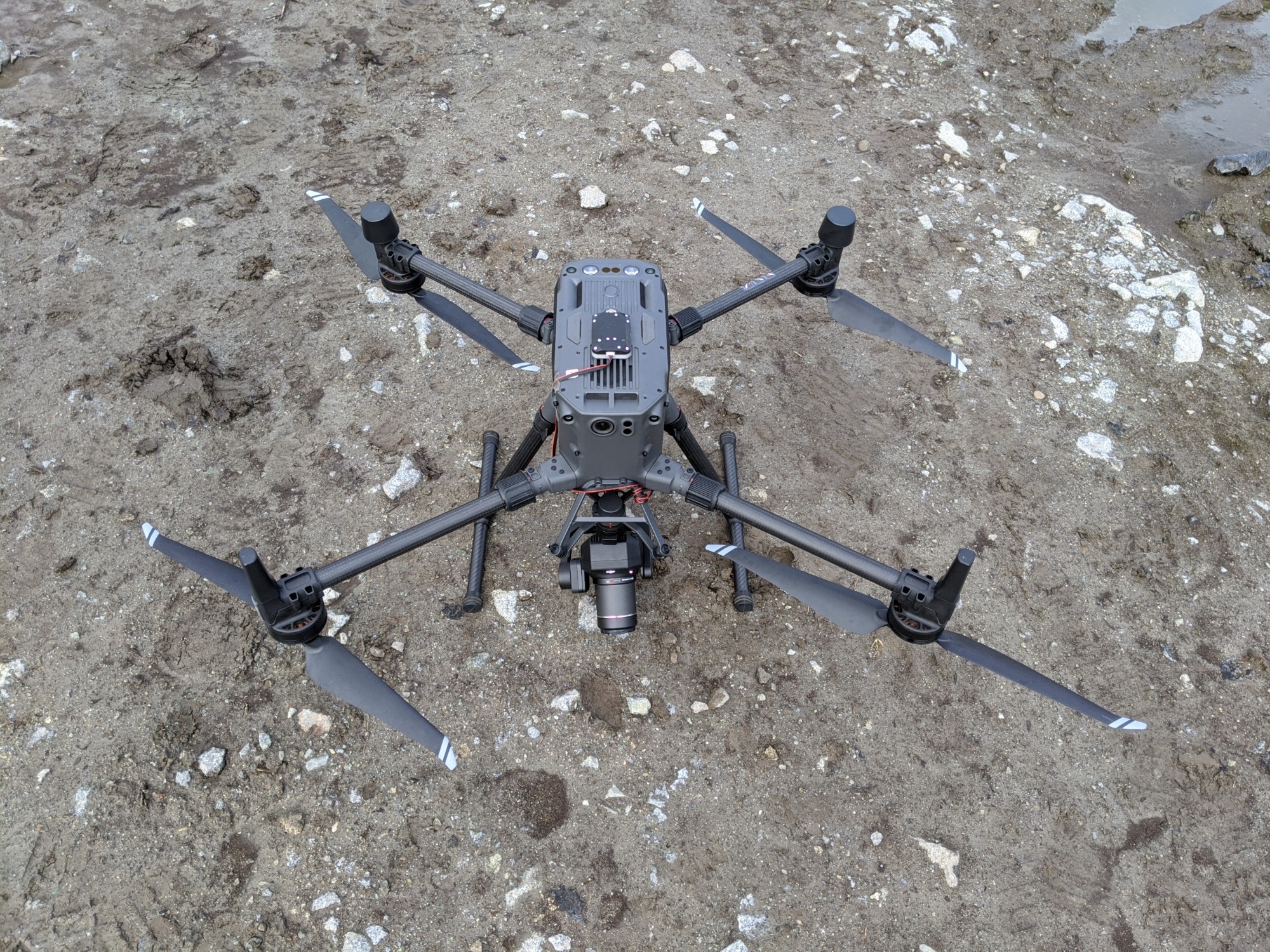
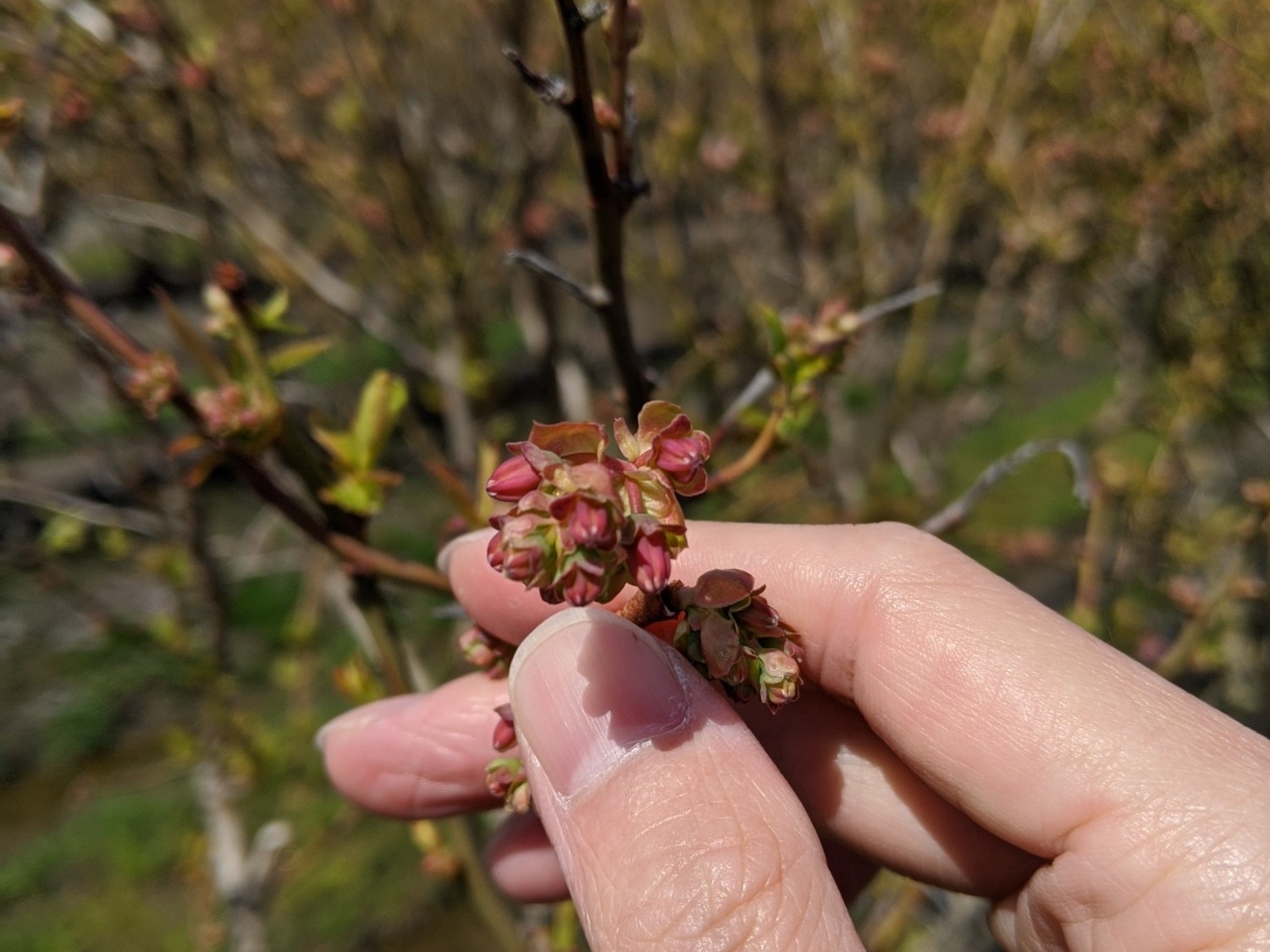
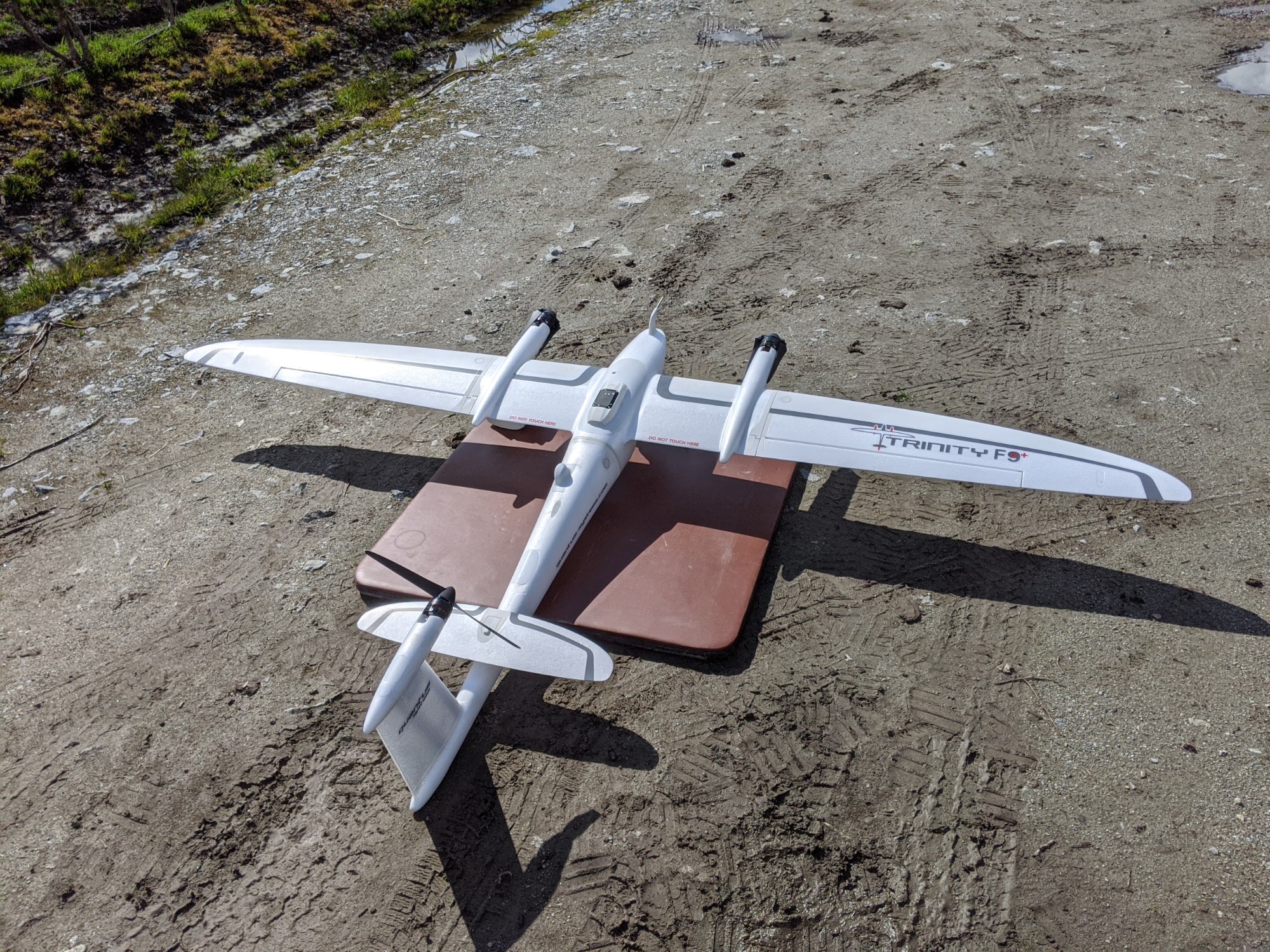
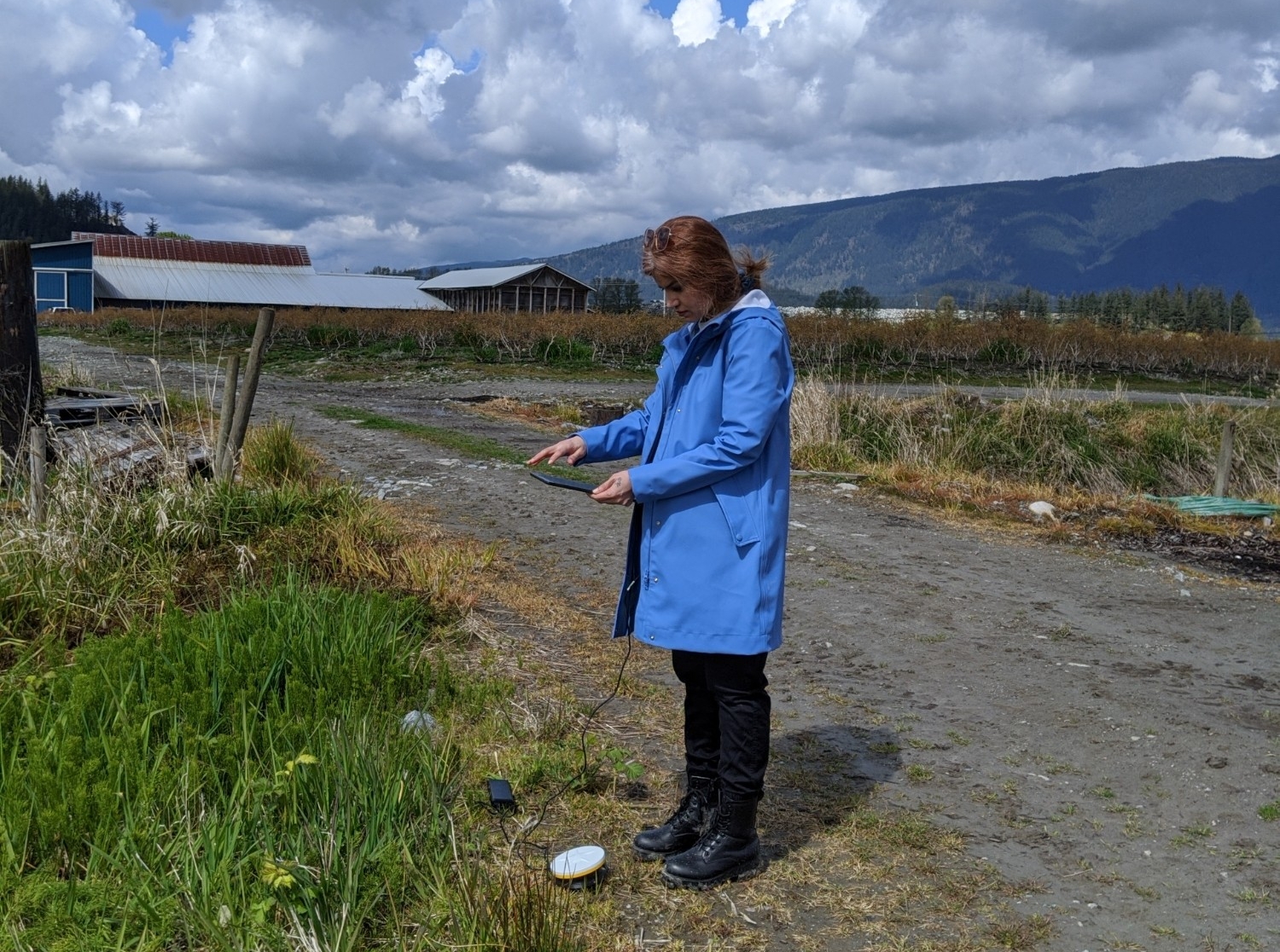
Members of ReSEC Lab worked with collaborators from Terramera to fly drones to map several Blueberry farms in Pitt Meadows (British Columbia) to detect plant stresses. A multi-rotor and a fixed-wing drones were tested. High-quality images with a spatial resolution of about 3cm were collected. Ground truthing was conducted afterwards.
March 2022
1. Members of ReSEC Lab had meetings with collaborators from BC Ministry of Agriculture and Food, BC Blueberry Council, Agassiz Research and Development Centre of the Agriculture and Agri-Food Canada, Terramera, and i-Open Technologies to initiate one project to detect plant stress in blueberry farms and another to map invasive Himalayan blackberries using drone- and satellite-based remote sensing. We hope to support the blueberry growers.
2. Group members Ian McDonald, Lilian Yang, and Parisa Ahmadi attended SFU Wilderness First Aid Training to prepare for coming field surveys in summer.
February 2022
See our Agritech project in the news!
Canada’s Digital Technology Supercluster News
Exciting to work with collaborators from Canada’s Digital Technology Supercluster, Terramera, i-Open Technologies, Verge Agriculture, and QuantoTech!
January 2022
Happy New Year!
Welcome Parisa Ahmadi to join the ReSEC Lab as a Postdoctoral Fellow and Lilian Yang to join as a PhD student!
December 2021
The ReSEC Lab was funded by Mitacs and industry partners Terramera and i-Open to work on estimations of crop and soil properties using remote sensing big data for supporting precision agriculture. The team will collect multispectral, hyperspectral, thermal, LiDAR, and Radar images acquired by satellites or drones in the growing season of 2022. Precision agriculture is a promising approach for addressing environmental and economic challenges in the agricultural sector (e.g., depletion of water resources, overuse of fertilizers and pesticides, and low profitability).
November 2021
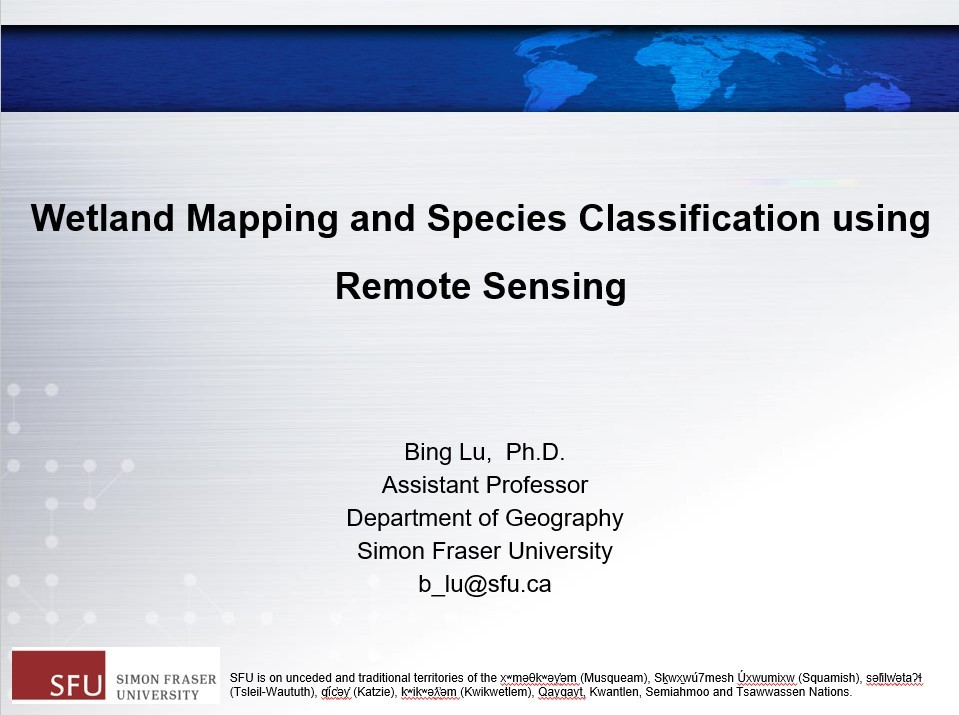
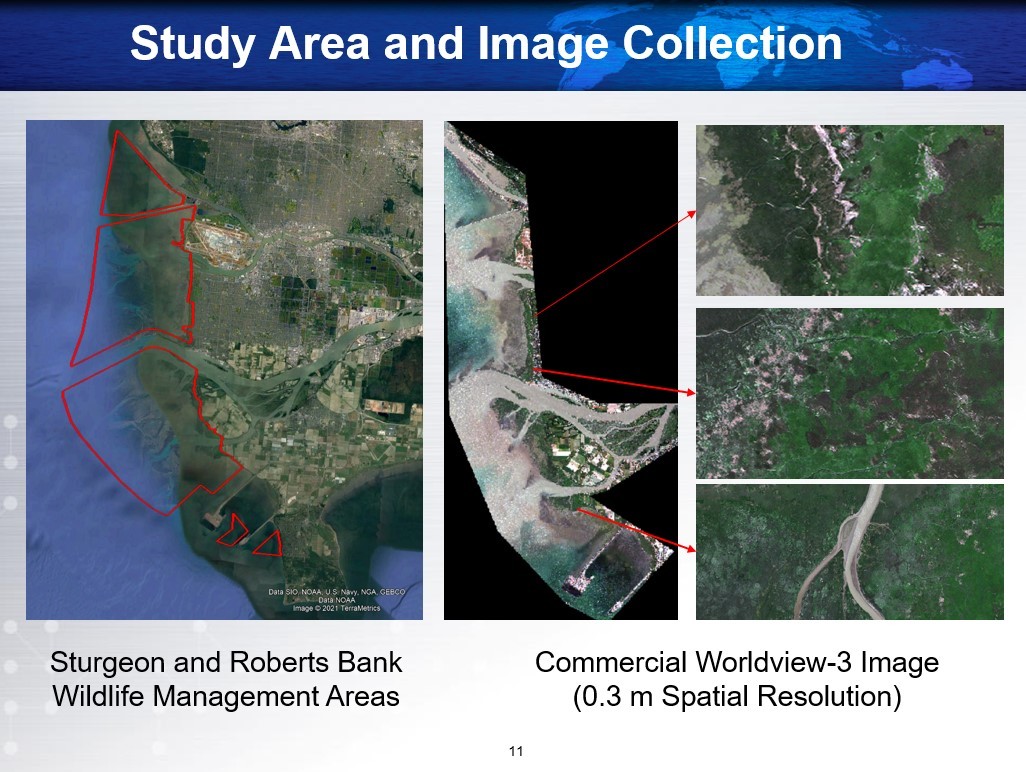
Dr. Bing Lu was invited by the BC Wildlife Federation to speak at the Wetland Institute Speaker Series and discuss his research on wetland mapping and species classification using high-spatial resolution satellite images. Research results are expected to support wetland conservation and management.
October 2021
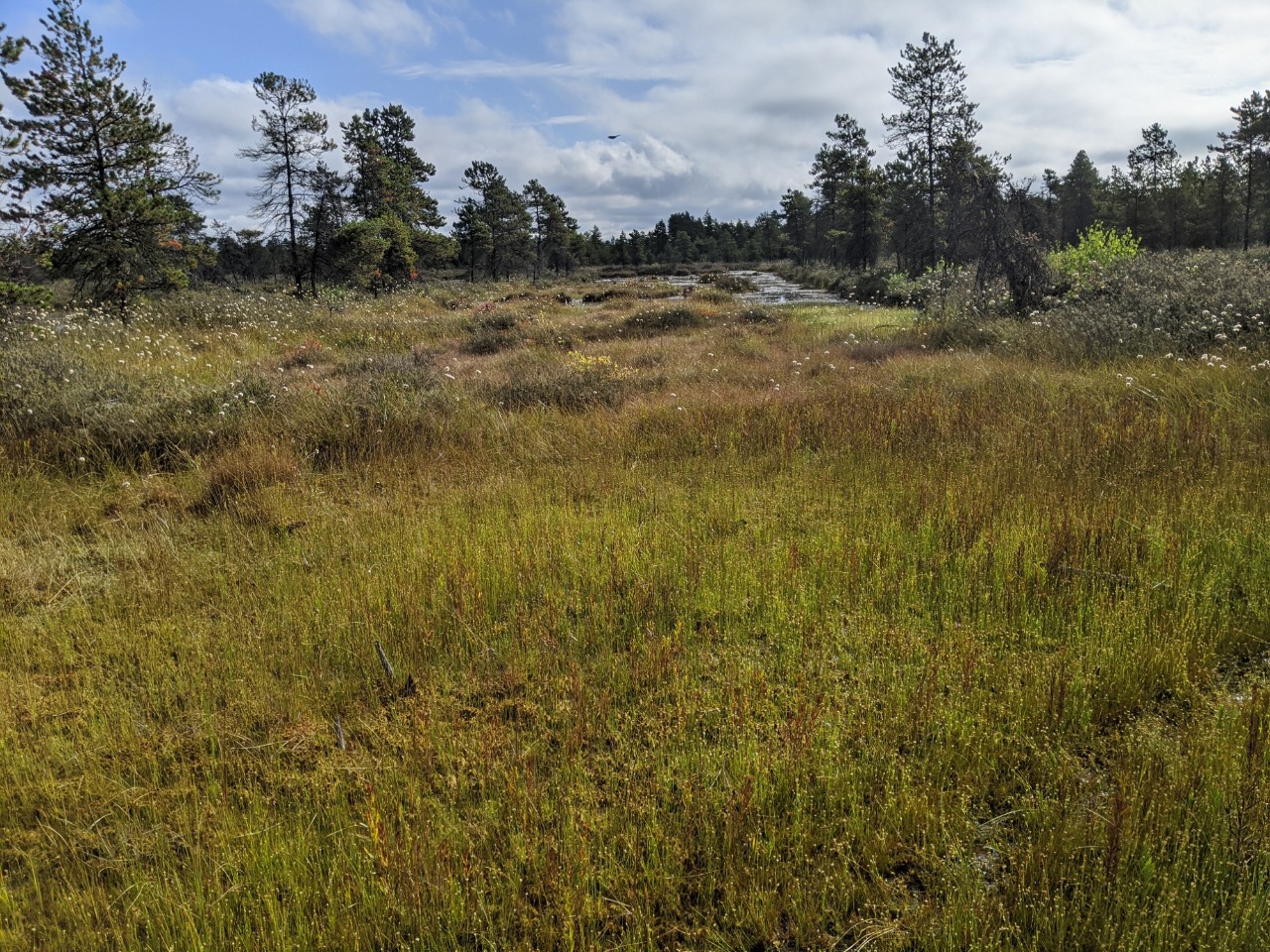
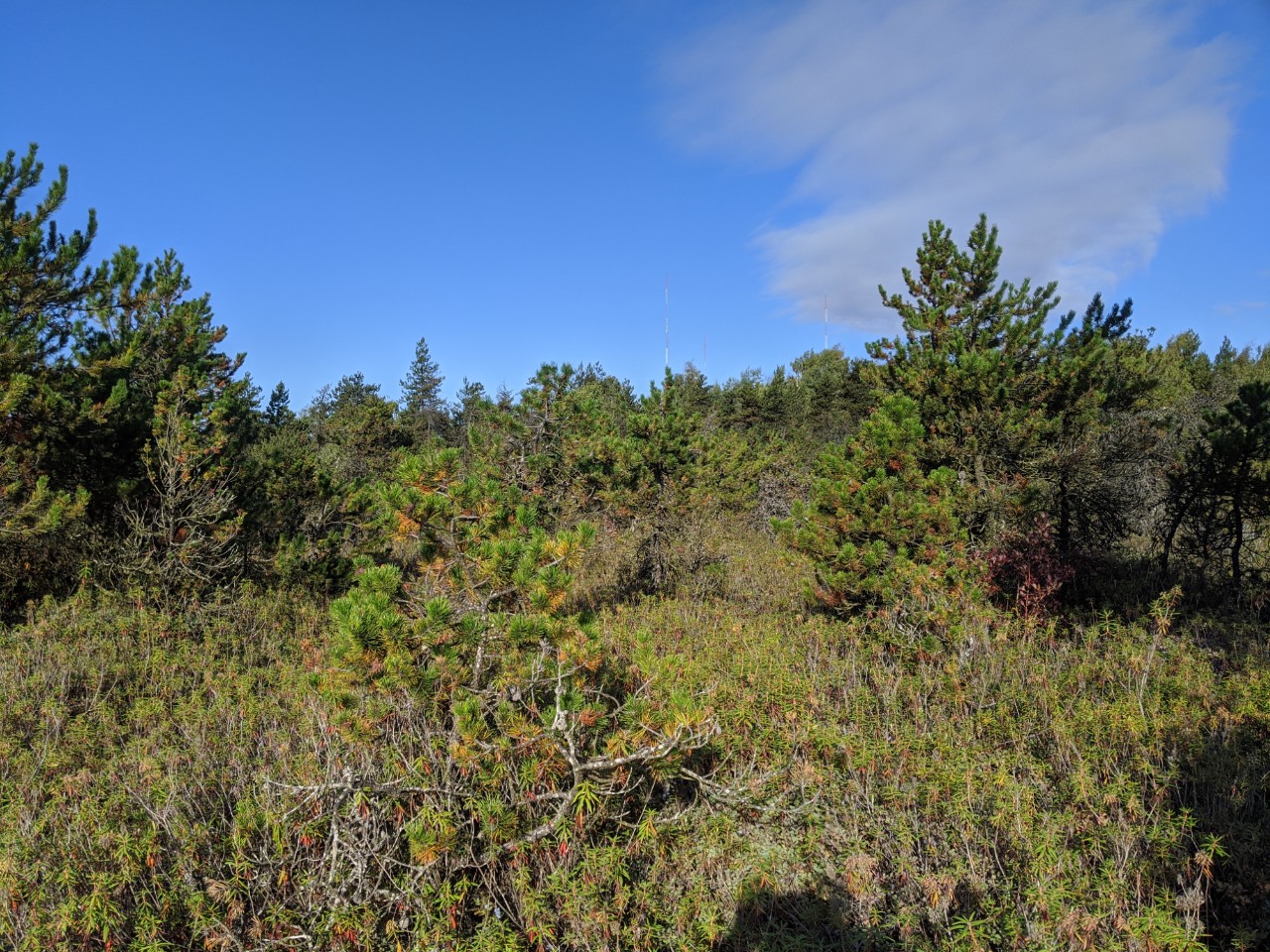
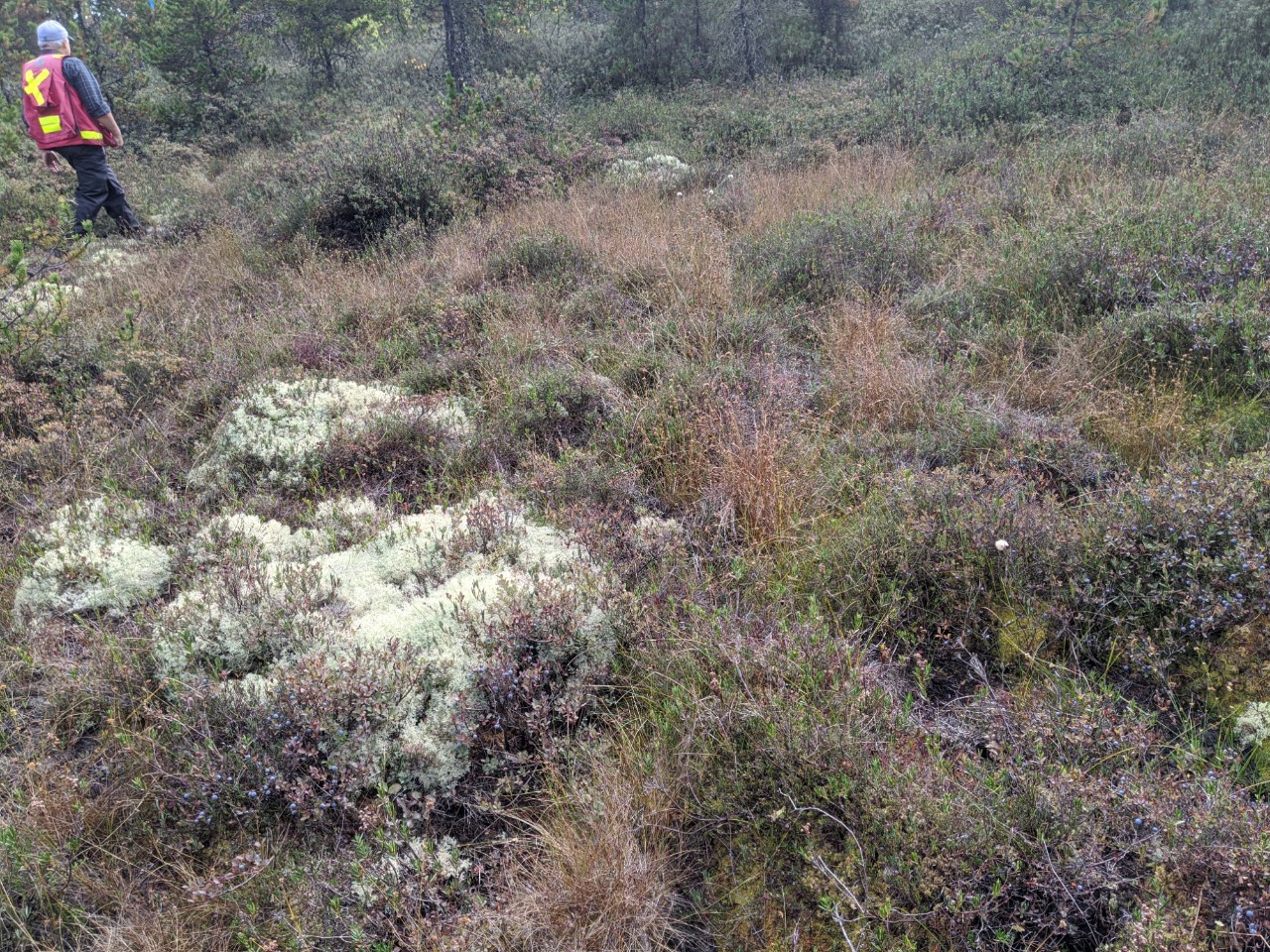
The ReSEC Lab was funded by the City of Delta to conduct a research titled "Investigating Surface Oscillation at Burns Bog and Associated Influencing Factors using InSAR". Bog's surface height is highly influenced by precipitation, temperature, and other environmental factors. Monitoring the surface height and its spatio-temporal variations are critical for understanding hydrological and ecological processes in the bog.
September 2021
1. Welcome Ian McDonald to join the ReSEC Lab as a MSc student. Welcome Uday Singh and Irene Ho to join the Lab as work-study students.
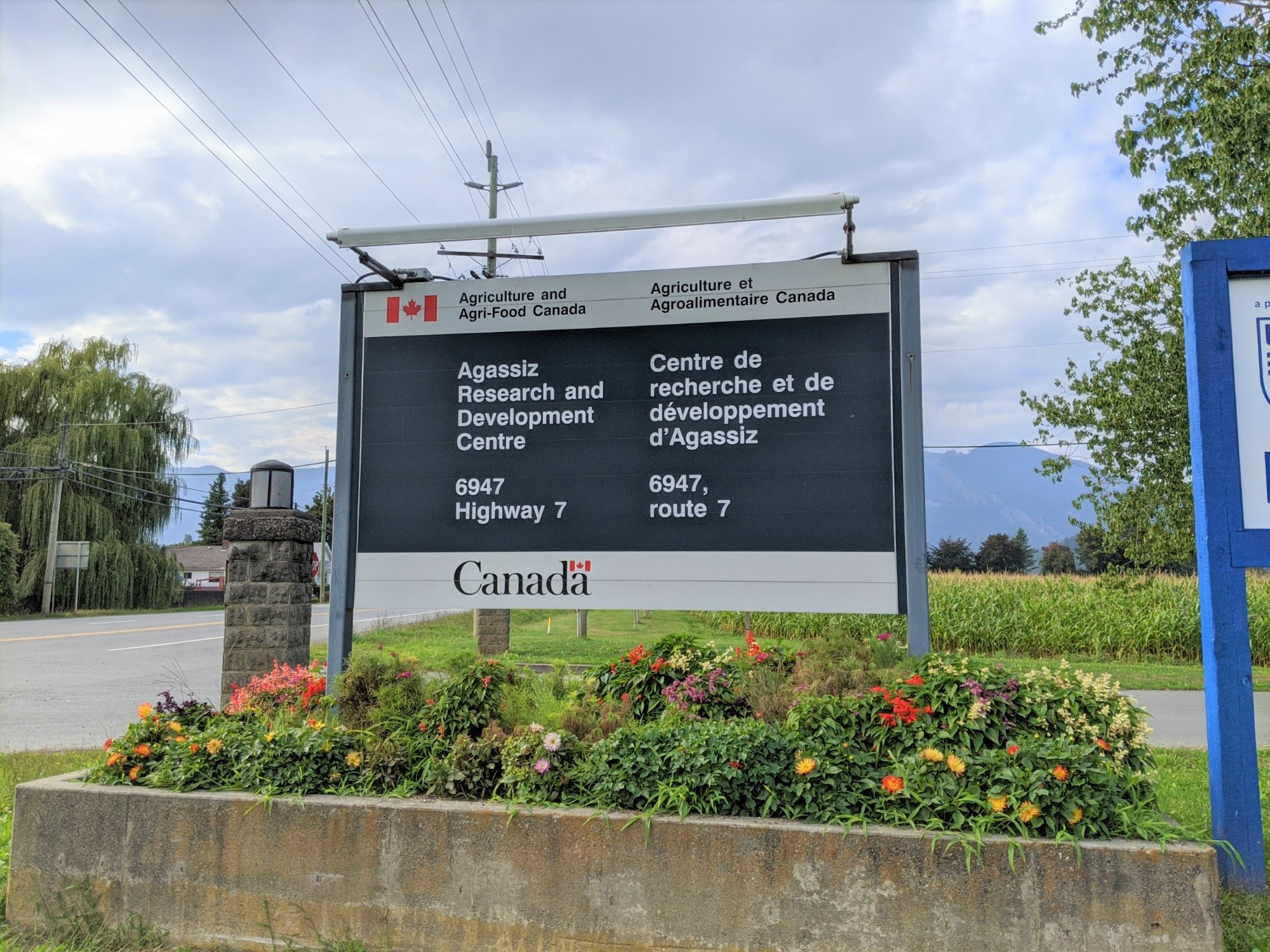
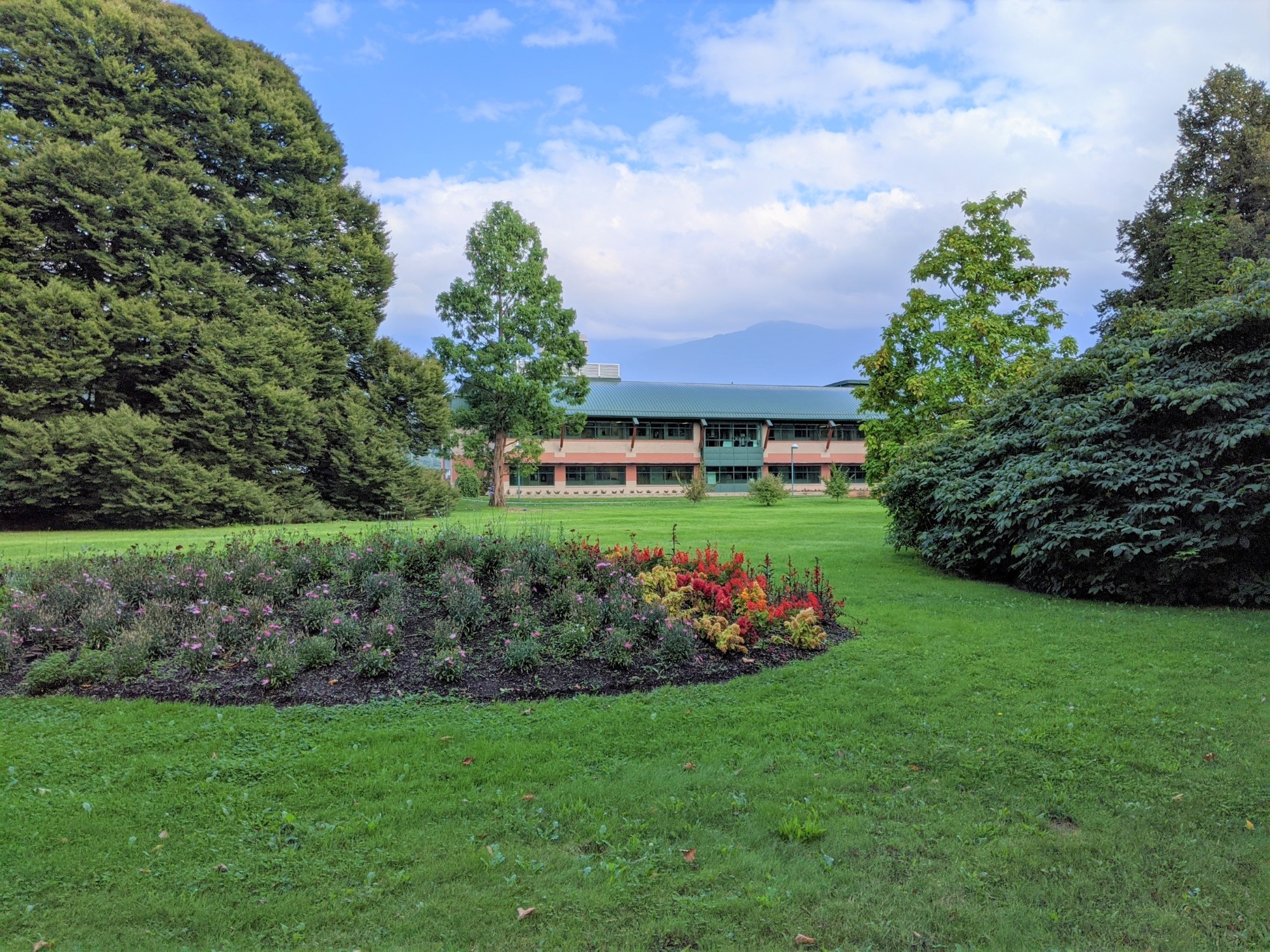
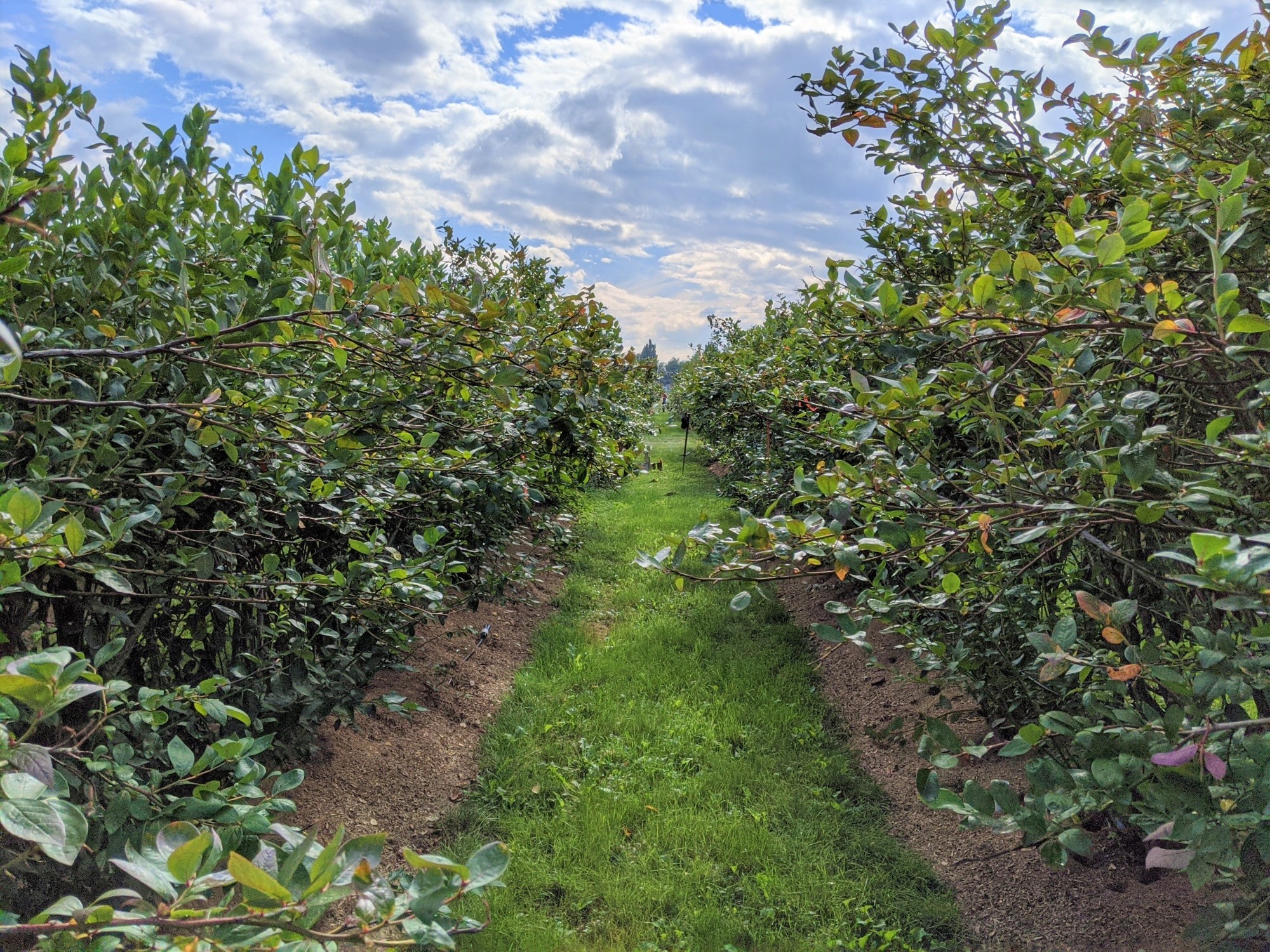
2. Dr. Bing Lu visited the Agassiz Research and Development Centre of the Agriculture and Agri-Food Canada and discussed with collaborators regarding berry monitoring using remote sensing. We love BC berries!
August 2021
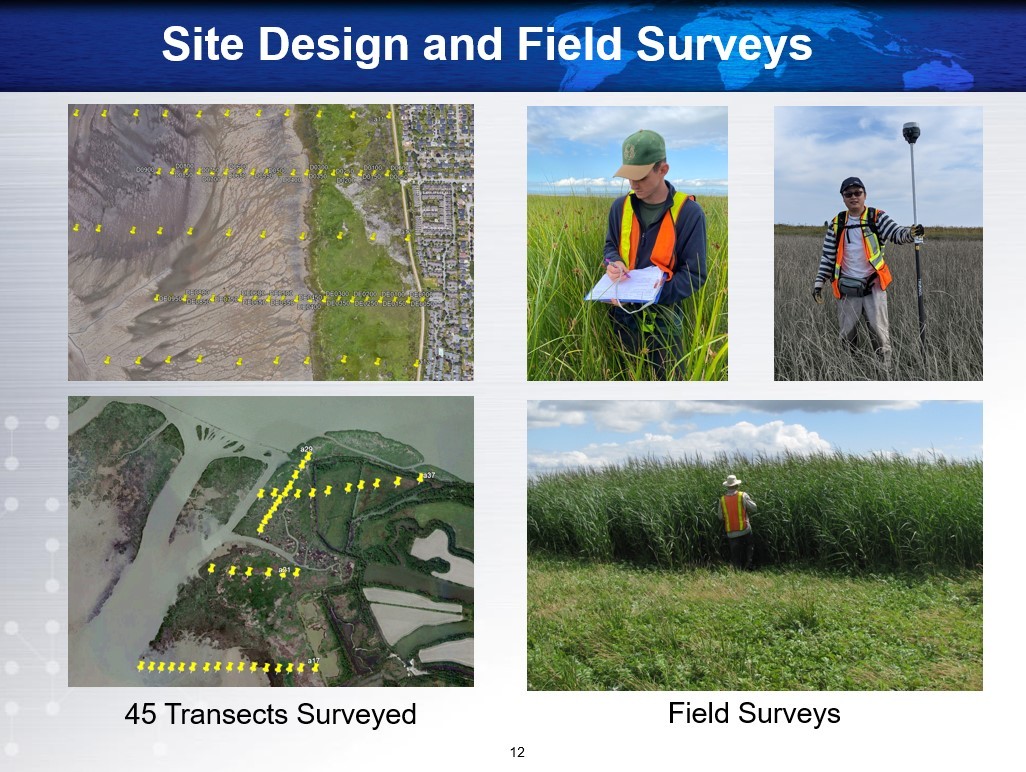
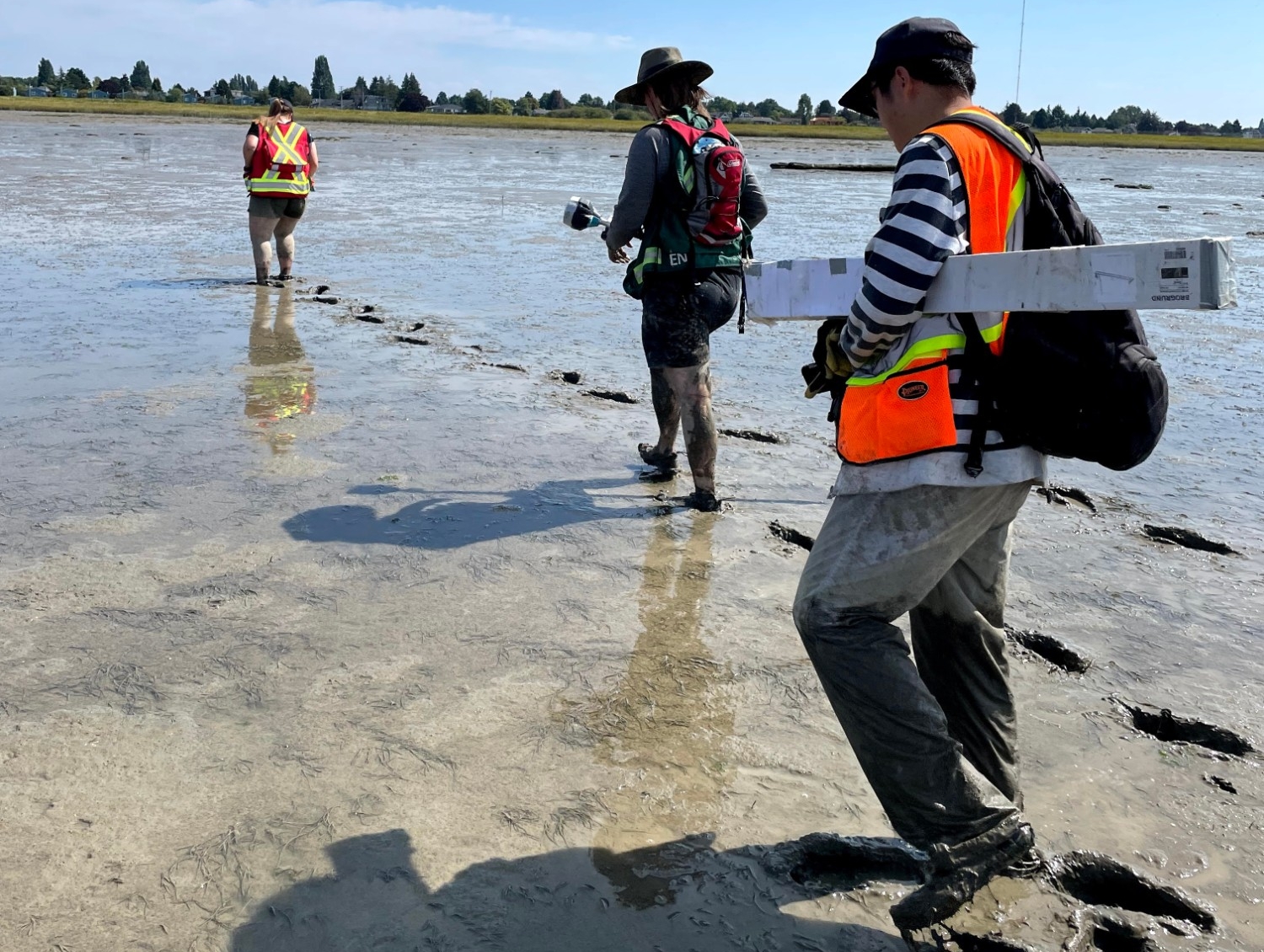
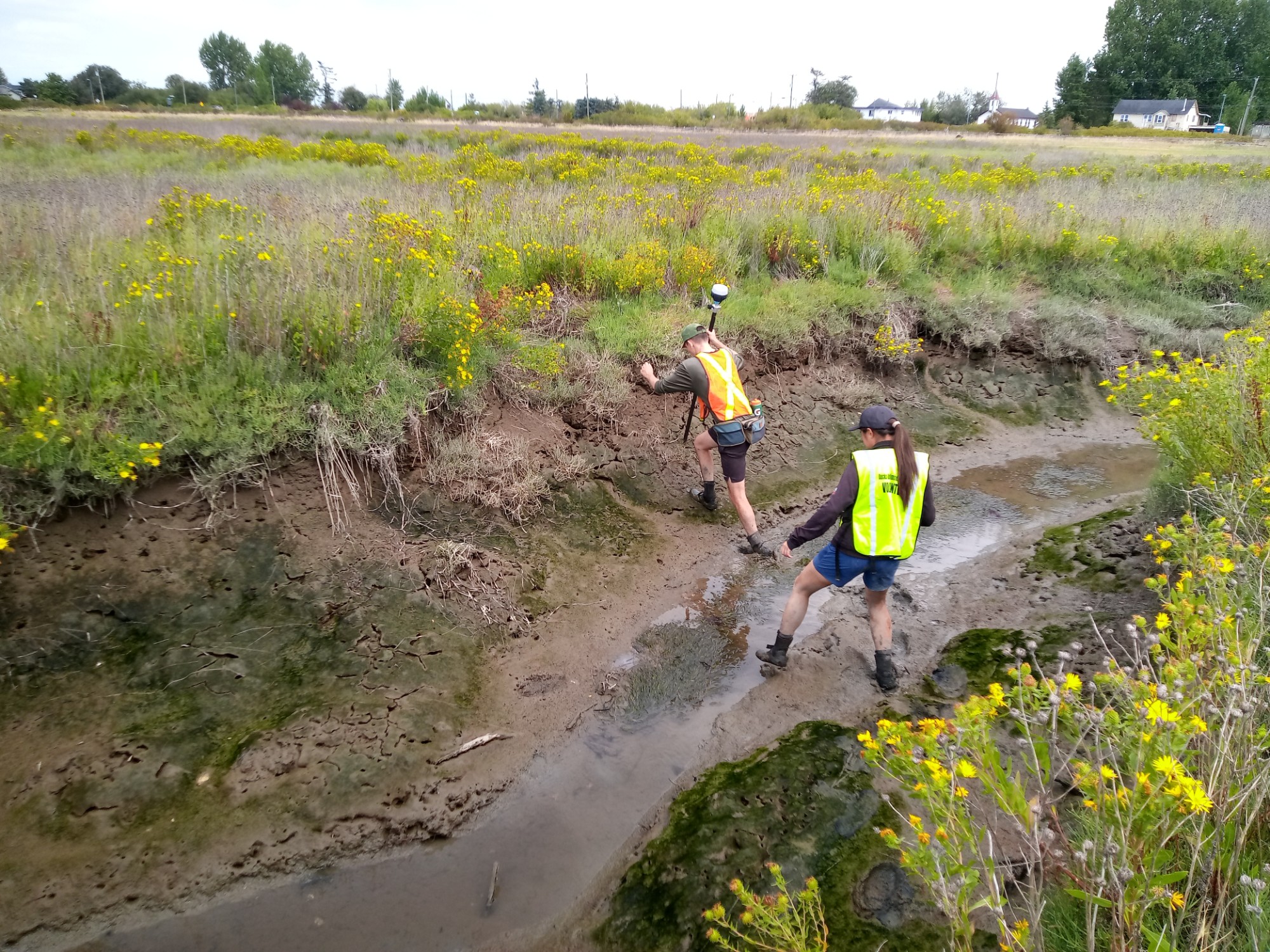
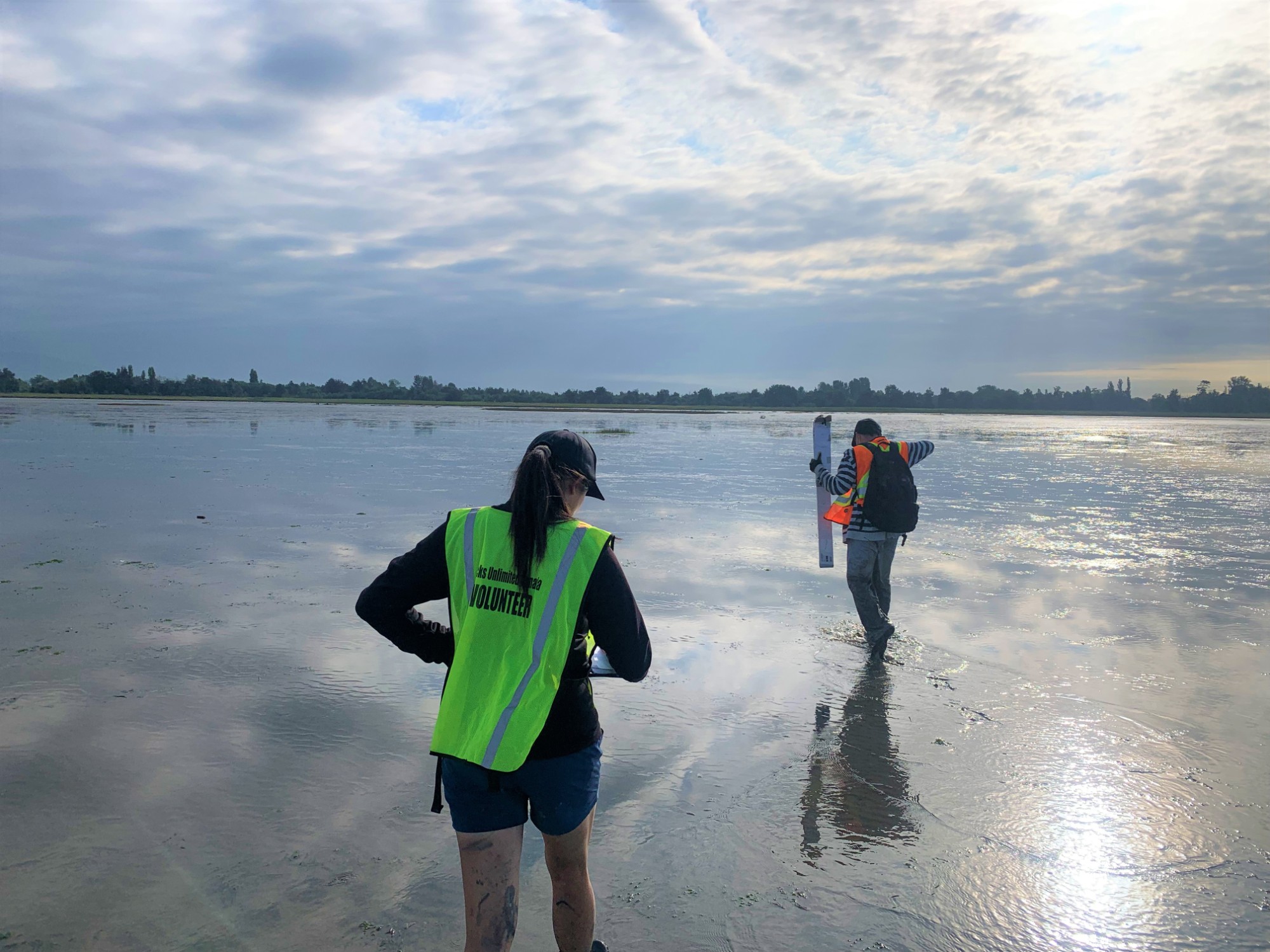
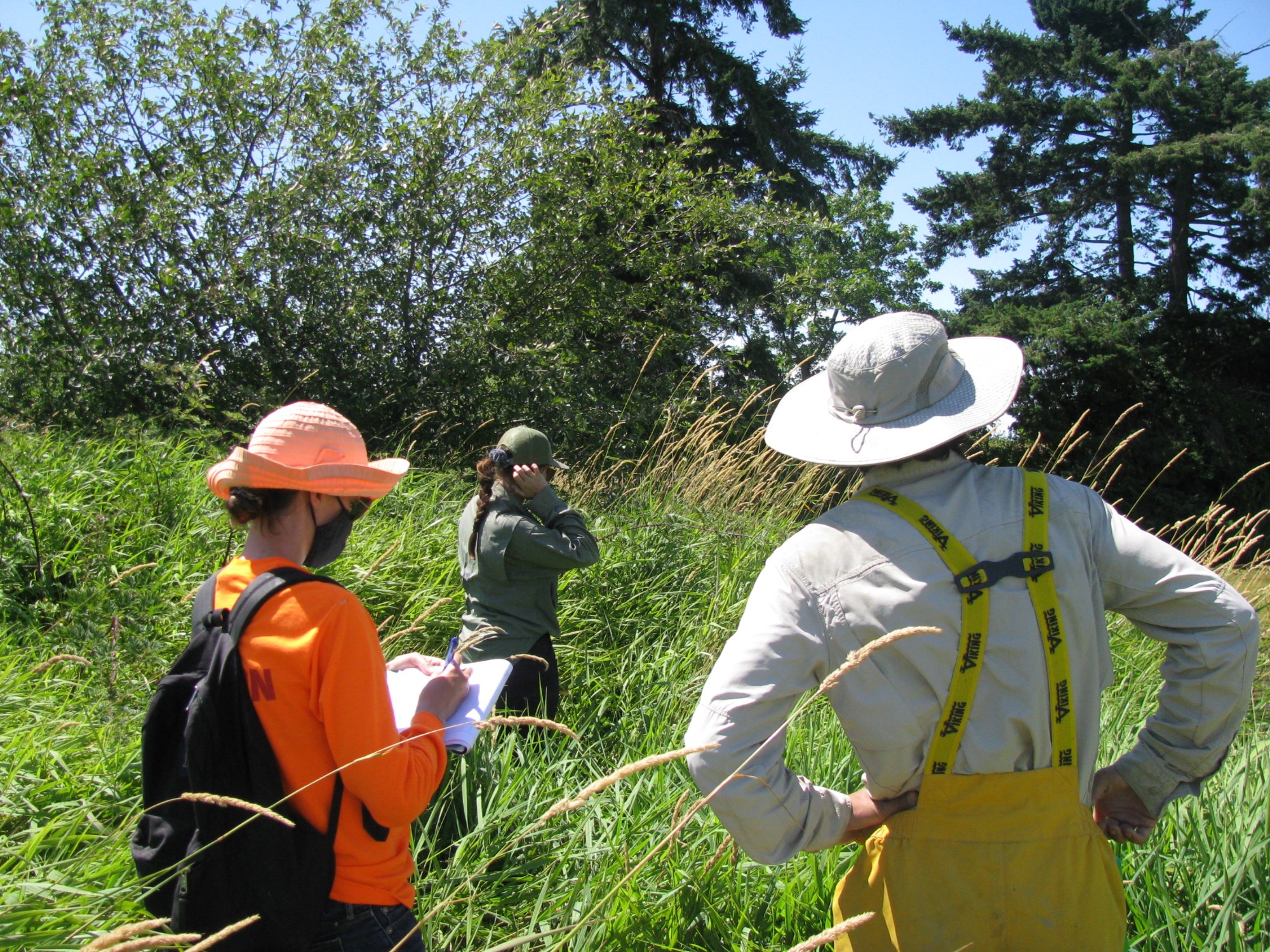
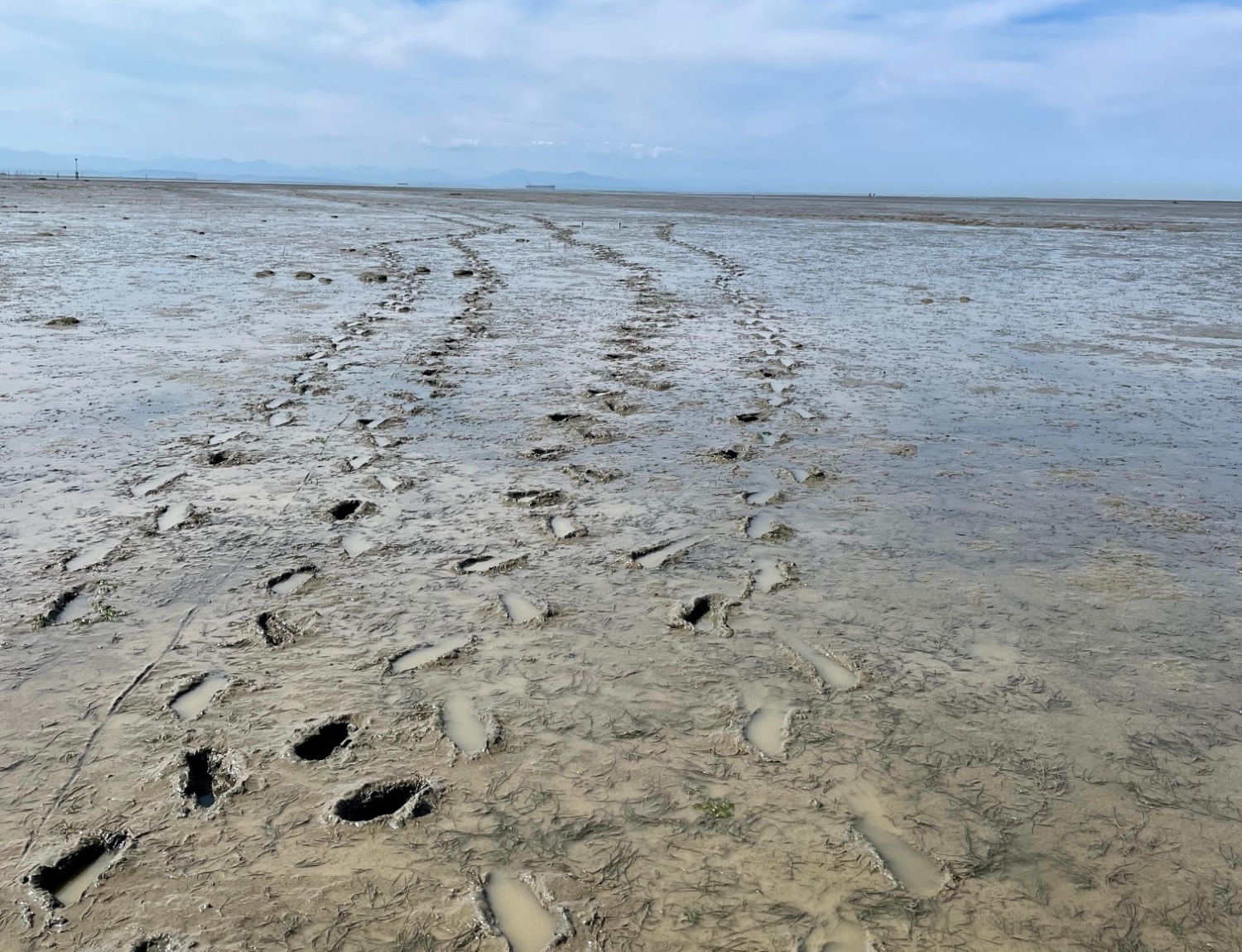
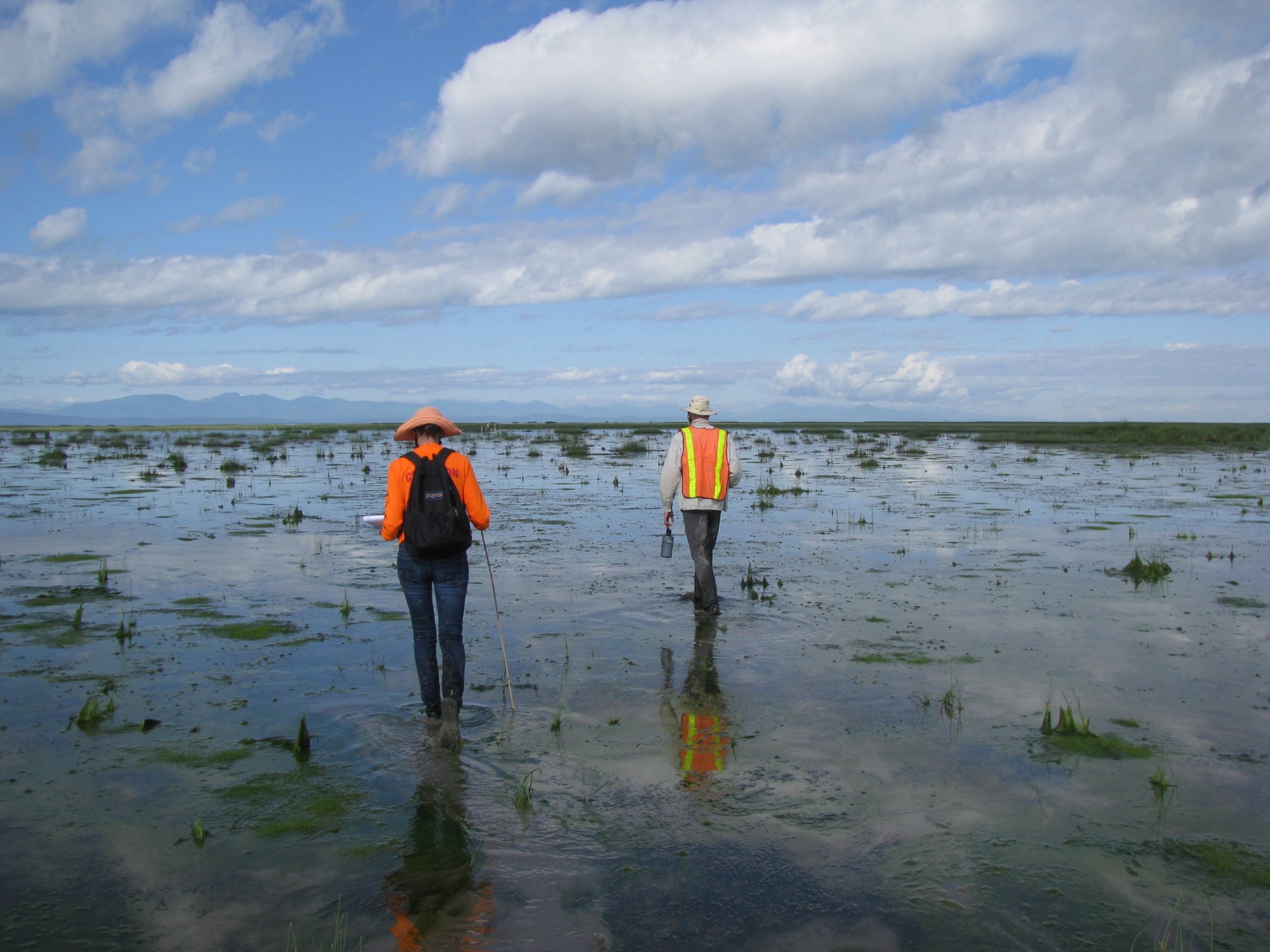
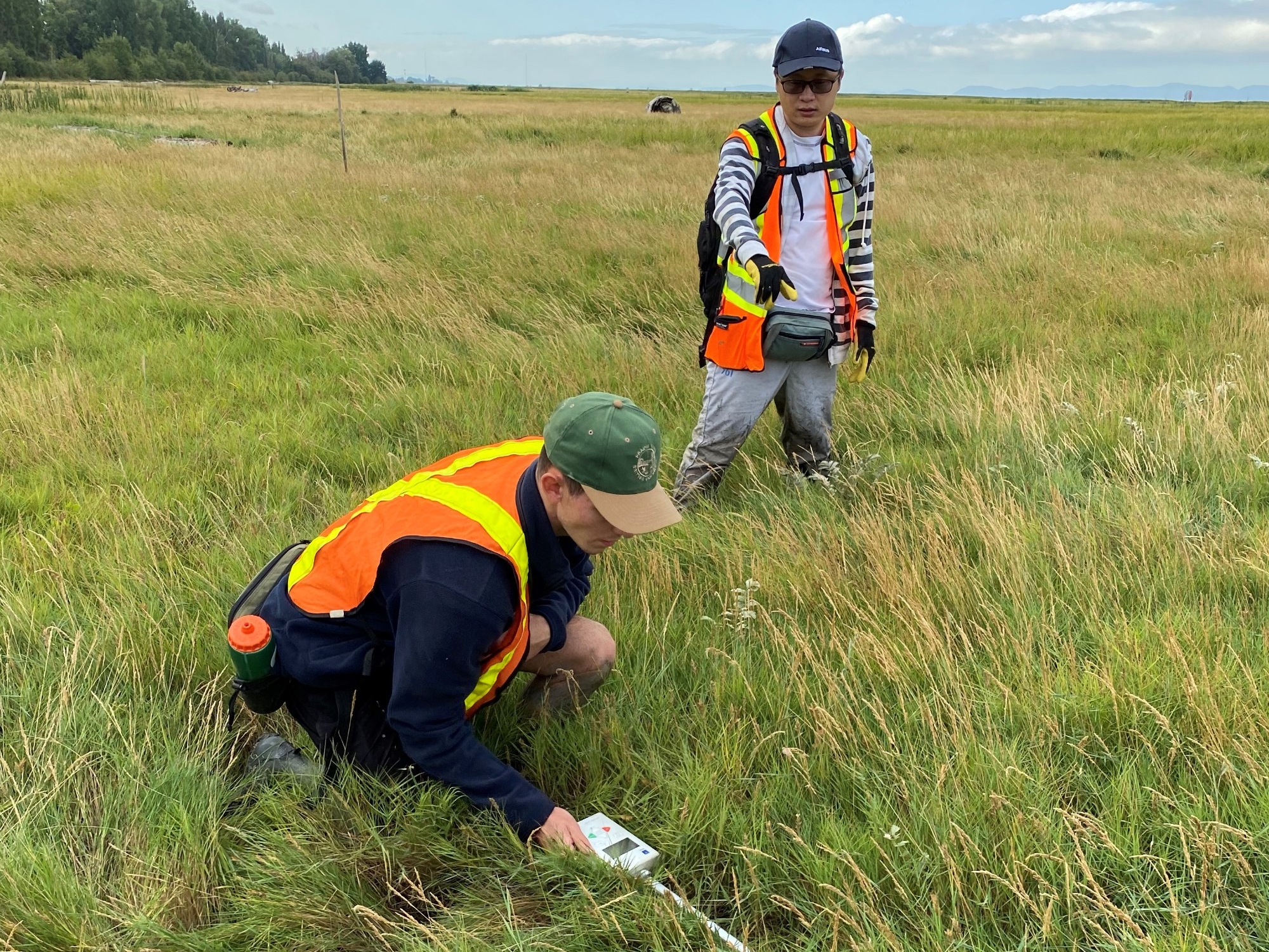
The ReSEC Lab and collaborators surveyed more than 40 transects in the south coast region of British Columbia! Thanks to field staff from Ducks Unlimited Canada and the Spartina Crew from the British Columbia Conservation Foundation, and support from the BC Wildlife Federation. Funding for field crews provided by the province of BC’s Healthy Watersheds Initiative and Conservation Economic Stimulus Initiative.
July 2021
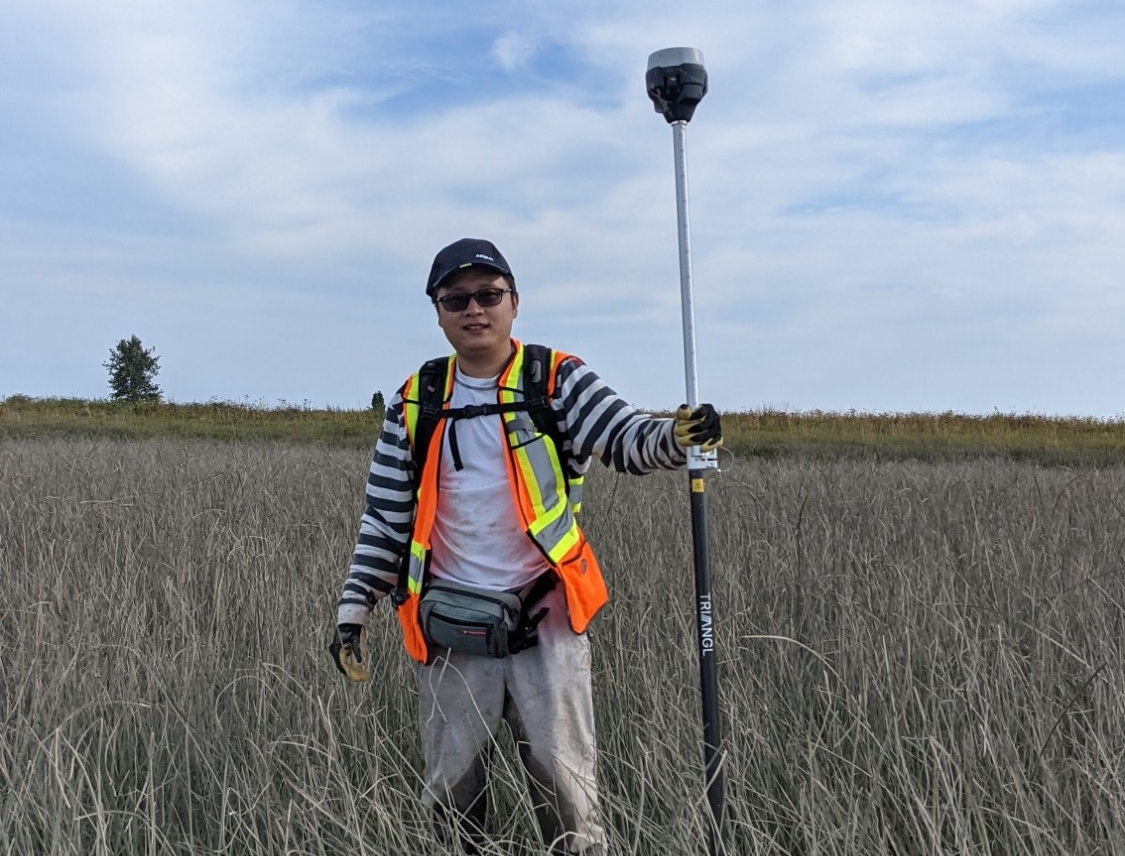
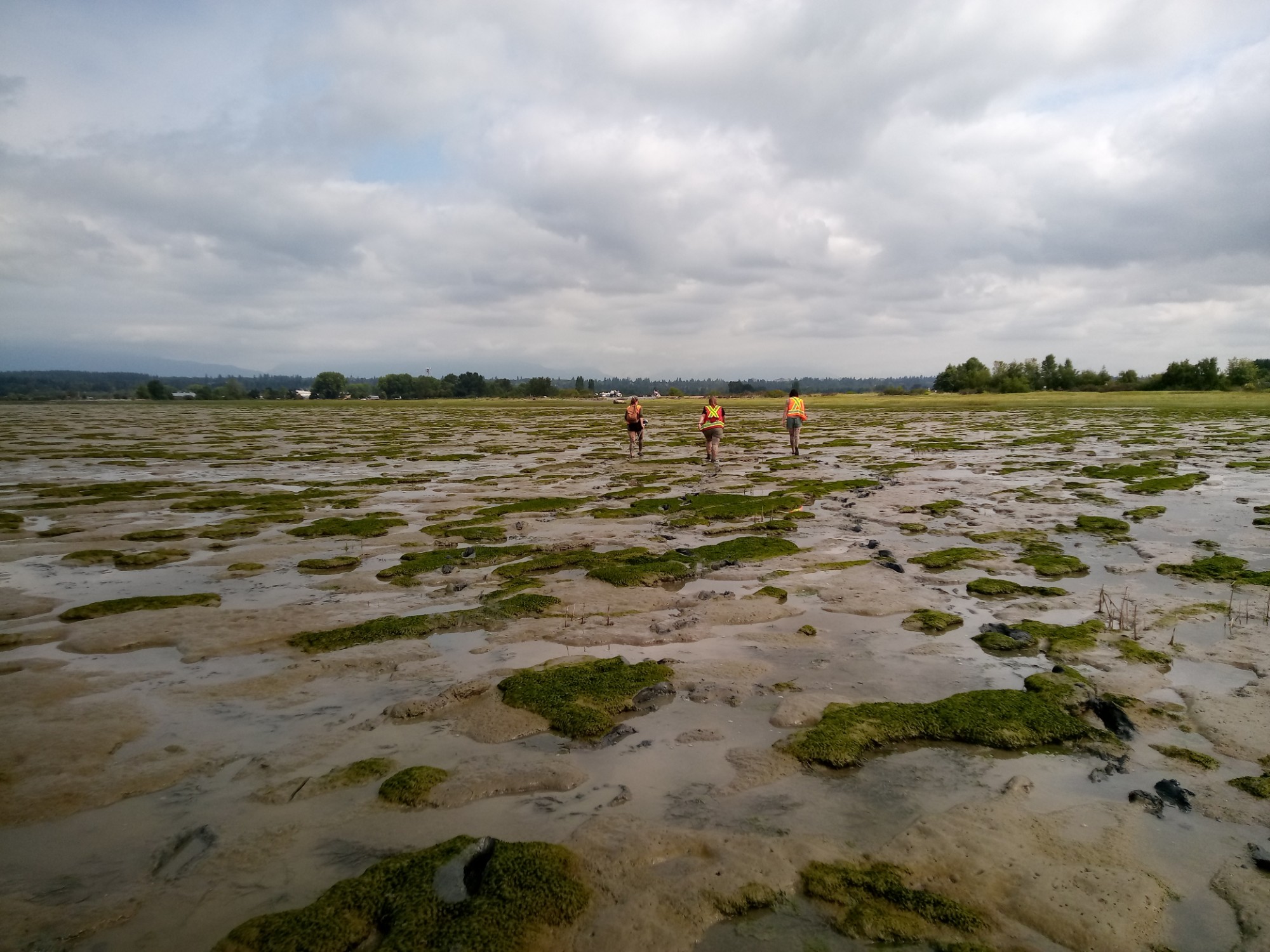
Members of ReSEC Lab worked with collaborators to survey vegetation species in the south coastal region of British Columbia.
May 2021
The ReSEC Lab was awarded SFU’s 2021 Community Engagement Initiative (CEI) to work on a project titled "A Community Engaged Approach to Monitor & Mitigate Coastal Land Degradations through Remote Sensing". Thanks to the CEI and our collaborators from South Coast Conservation Land Management Program (SCCLMP), Ministry of Forests, Lands, Natural Resource Operations and Rural Development (FLNRORD), Ducks Unlimited Canada (DUC), Tsawwassen First Nation (TFN), Raincoast Conservation Foundation (RCF), Environment and Climate Change Canada - Science & Technology Division (ECCC-STD), Environment and Climate Change Canada - Canadian Wildlife Service (ECCC-CWS), and Lower Fraser Fisheries Alliance (LFFA).
April 2021
Member of the ReSEC Lab Lucie Dehier-Francescutto was awarded the 2021 Undergraduate Student Research Awards (USRA) funded by the Natural Sciences and Engineering Research Council of Canada (NSERC). She will work on wetland monitoring using remote sensing. Congratulations to Lucie!
F T I