Spatial Analysis

After all the information and data are being obtained and prepared, now we reach the section of spatial analysis. In this section, different layers for each attribute (derived from last section) would be overlaid to provide a better understanding of the situation and lead us to our destination (modeling the snow avalanche).
Introduction        Data Collection          Methodology         Spatial Analysis       Conclusion
Text Box: Introduction        Data Collection          Methodology         Spatial Analysis       Conclusion
 

Analysis Scenario

Spatial Analysis Process

Natural Potential of Snow Avalanche


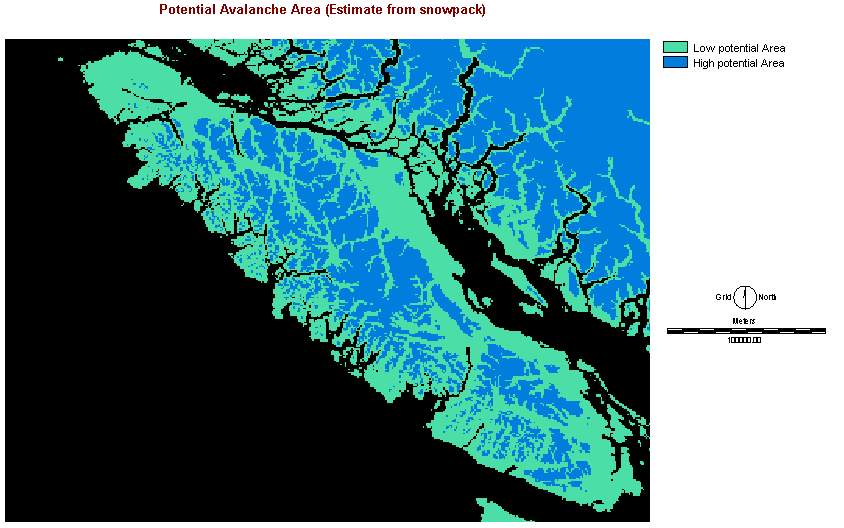
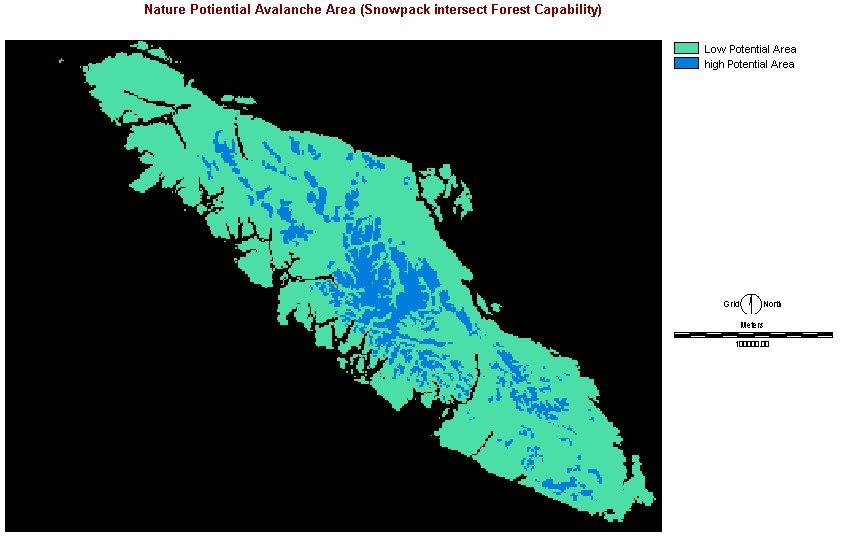
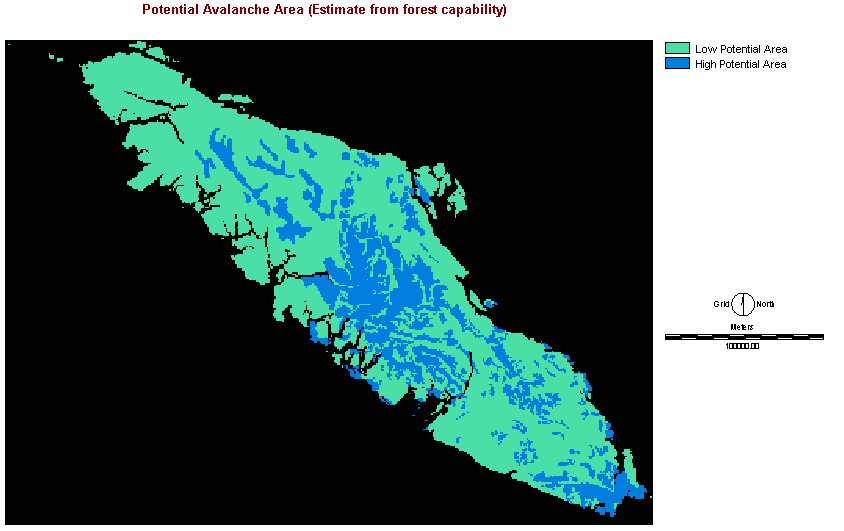
Both snowpack volume and vegetation forestcover are considered to be the natural factors that affect the potential of avalanche occurrence.  Combining two factors by overlaying would sort out the area that has high potential of avalanche.

Text Box: Both snowpack volume and vegetation forestcover are considered to be the natural factors that affect the potential of avalanche occurrence.  Combining two factors by overlaying would sort out the area that has high potential of avalanche.

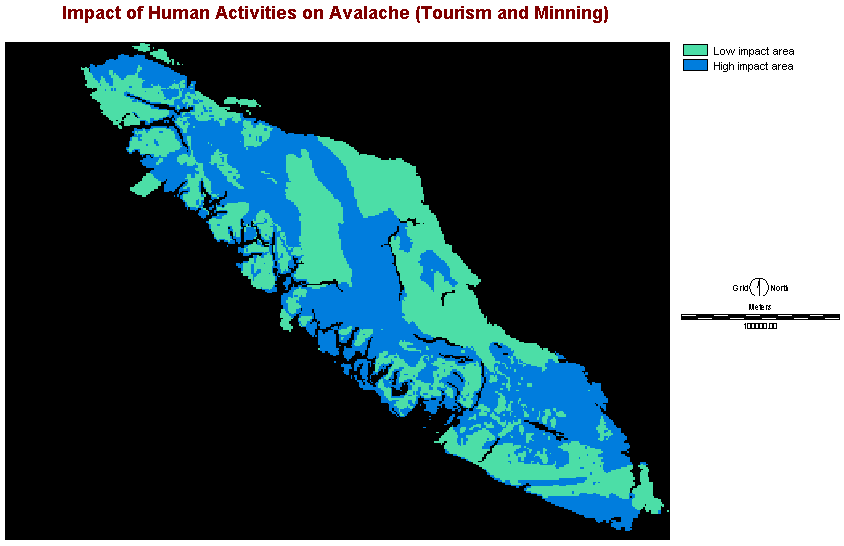
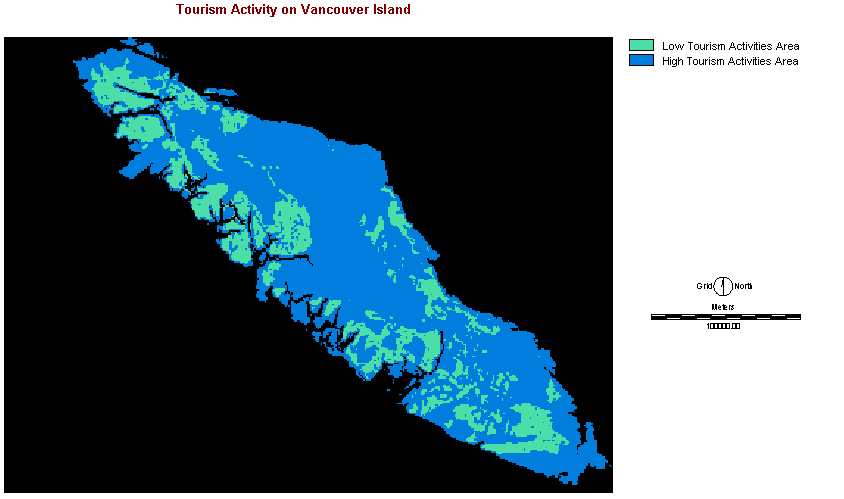
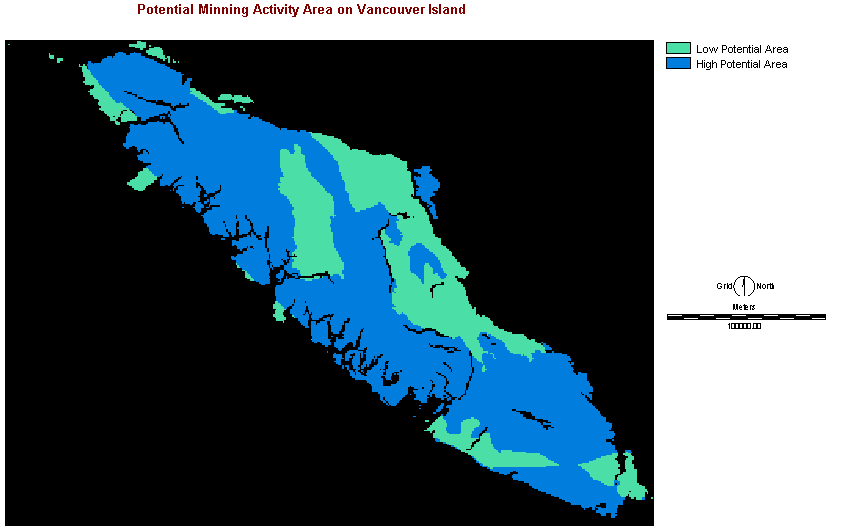
On the other hand, both tourism and mining activity are considered to be the human trigger of snow avalanche.  Combining two by overlaying would sort out the area that has high potential of triggering avalanche.


Text Box: On the other hand, both tourism and mining activity are considered to be the human trigger of snow avalanche.  Combining two by overlaying would sort out the area that has high potential of triggering avalanche.
 

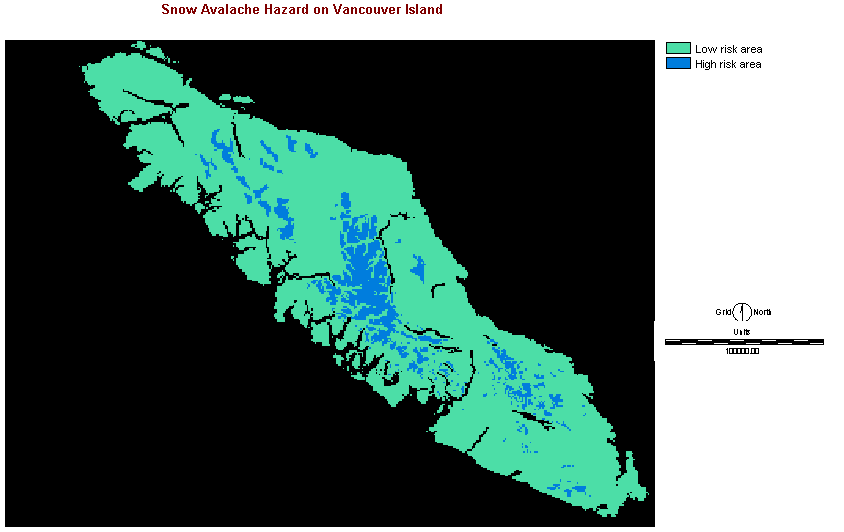
 Then it is time to combining the natural potential and human trigger of snow avalanche to provide an overview. By overlaying them, we could find out the area that is potentially having snow avalanche and has the high possibility to be triggered because of human activity.

Text Box:  Then it is time to combining the natural potential and human trigger of snow avalanche to provide an overview. By overlaying them, we could find out the area that is potentially having snow avalanche and has the high possibility to be triggered because of human activity.

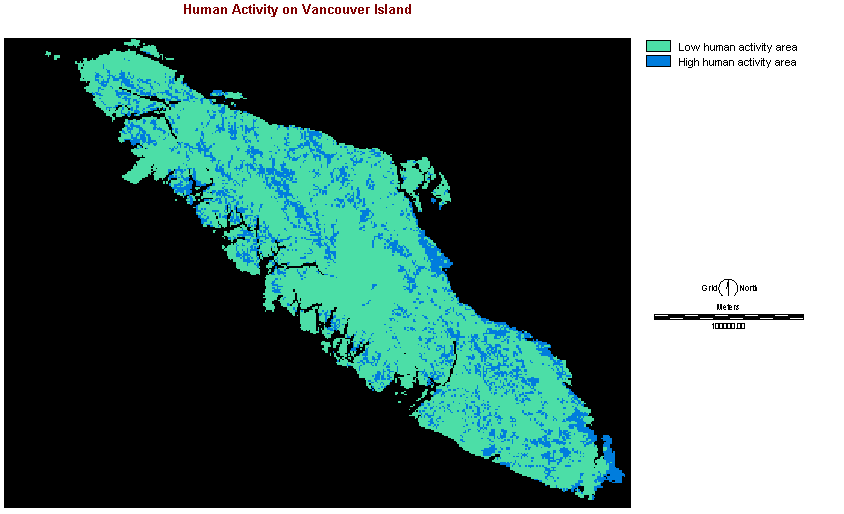
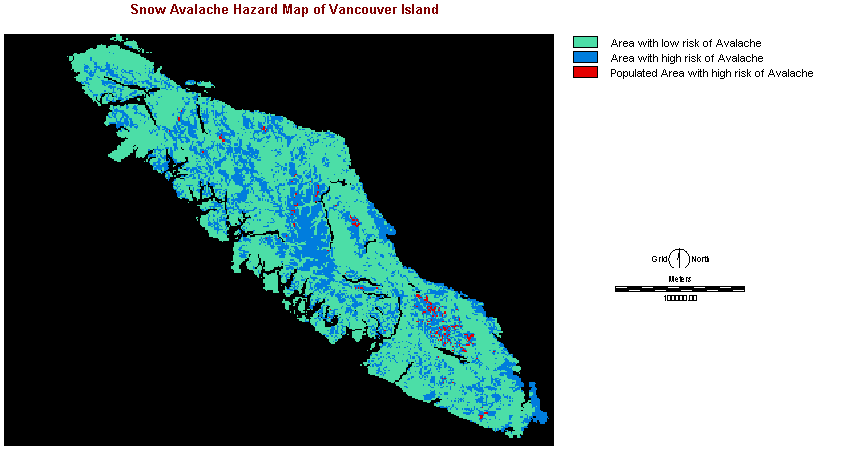
 Now, we can overlay the snow avalanche hazard layer with the human activity layer. That would map out the area with human population that would have greater chance to experience snow avalanche. In another word, those areas have relative high risk of snow avalanche hazard.

Text Box:  Now, we can overlay the snow avalanche hazard layer with the human activity layer. That would map out the area with human population that would have greater chance to experience snow avalanche. In another word, those areas have relative high risk of snow avalanche hazard.

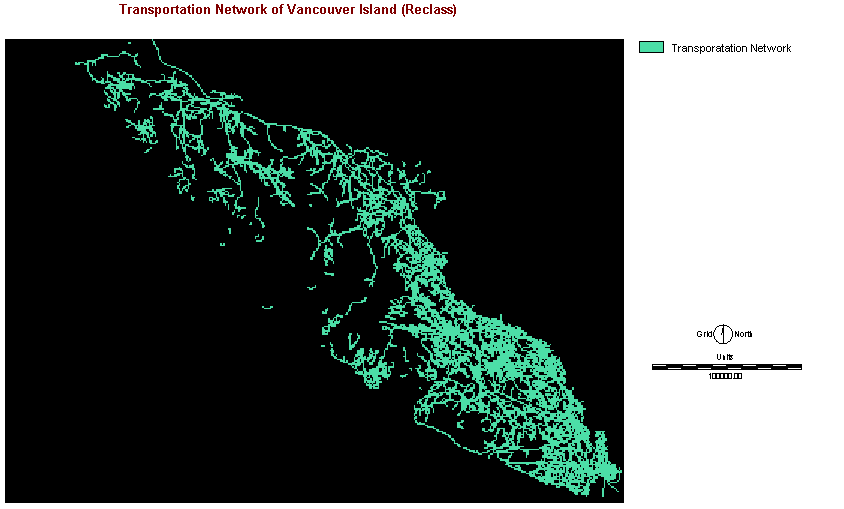
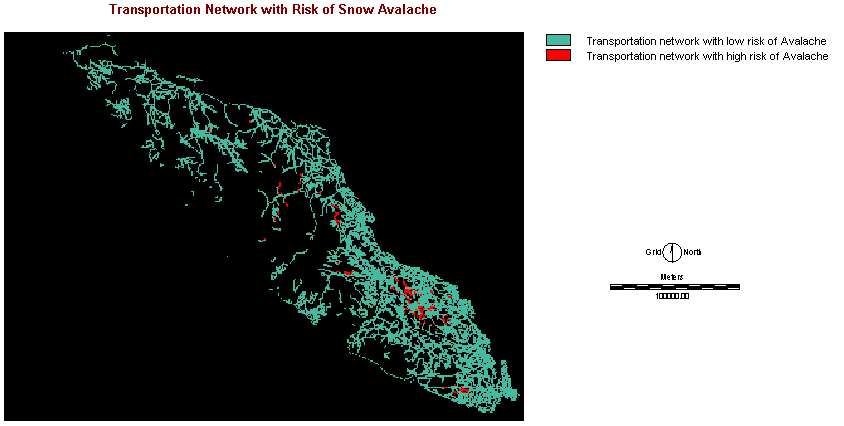
 At the end, we once again overlay the snow avalanche hazard layer with the transportation network. That would give us the answer of how snow avalanche affect road network and where.

Text Box:  At the end, we once again overlay the snow avalanche hazard layer with the transportation network. That would give us the answer of how snow avalanche affect road network and where.

Human Trigger of Snow Avalanche


Snow Avalanche Hazard  


Populated Area with Risk of Snow Avalanche


Transportation Network with Risk of Snow Avalanche  

Text Box: Snowpack Volume Estimation
Text Box: Vegetation & Forest Cover
Tourism
Text Box: Tourism
Text Box: Mining Activity
Text Box: Natural Potential of Snow Avalanche
Text Box: Human Trigger of Snow Avalanche
Text Box: Human Activity Area
Text Box: Snow Avalanche Hazard
Text Box: Transportation Network
Text Box: Snow Avalanche Hazard
Text Box: Intersect
Text Box: Intersect
Text Box: Intersect
Text Box: Intersect
Text Box: Intersect


Back
Text Box: Back
Next
Text Box: Next