Methodology

Although all the data are acquired, they need to be modified to become useable and meaningful. Also, data layers have to be prepared for spatial analysis. By overlaying layers, we would be able to reach our destination - modeling the snow avalanche. This section would explain the detail how the information and data are being obtained and prepared.
 

Data Required

Data Preparation and Information Obtain

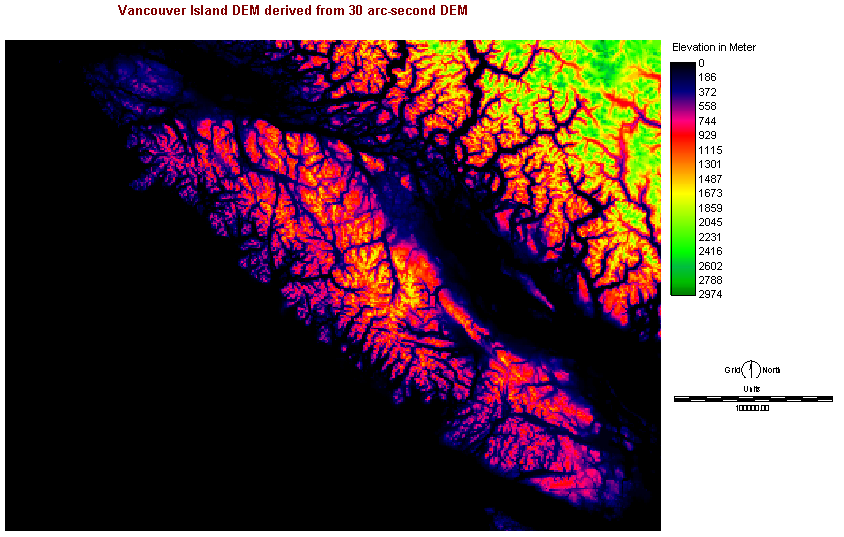
Snowpack Volume Estimation Text Box: Digital Elevation Model on the left is extracted from the topography map. Elevation in the DEM is derive from the contours on the topography map.    
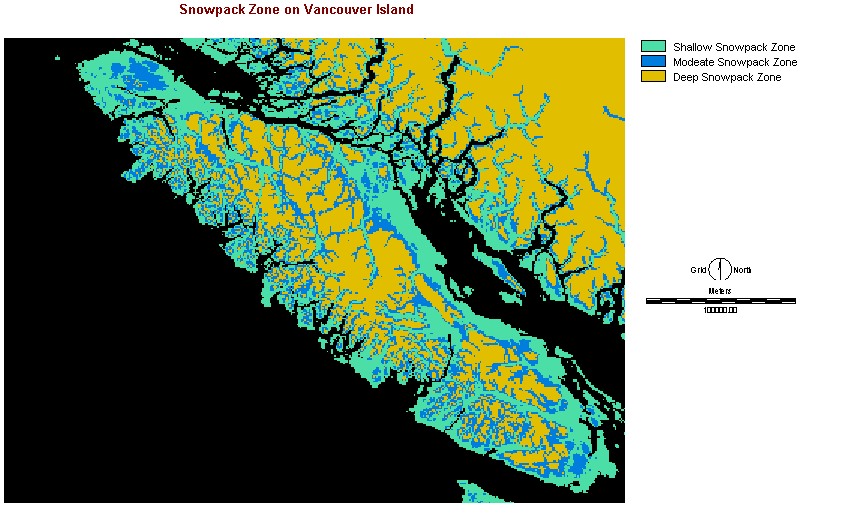
Text Box: Elevation is assigned to Elevation Zoning Code which stated that at the certain elevation would have certain volume of snowpack as below:

Elevation < 300m = Shallow Snowpack Zone
Elevation 300-600 = Moderate Snowpack Zone
Elevation > 600m = Deep Snowpack Zone

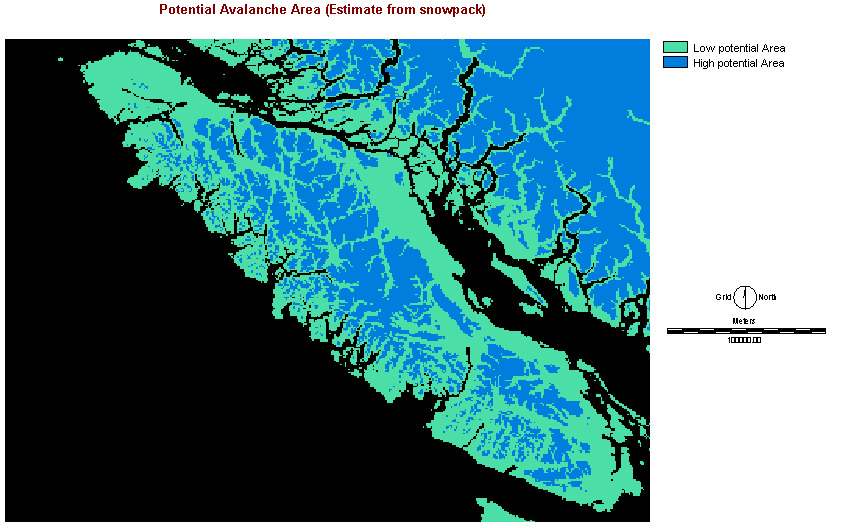
As higher the volume of snowpack would have a higher potential a snow avalanche occur. The data above is reclassified as below:

Shallow Snowpack Zone = Low Potential Area
Moderate Snowpack Zone = Low Potential Area
Deep Snowpack Zone = High Potential Area

Text Box: As higher the volume of snowpack would have a higher potential a snow avalanche occur. The data above is reclassified as below:
Shallow Snowpack Zone = Low Potential Area
Moderate Snowpack Zone = Low Potential Area
Deep Snowpack Zone = High Potential Area

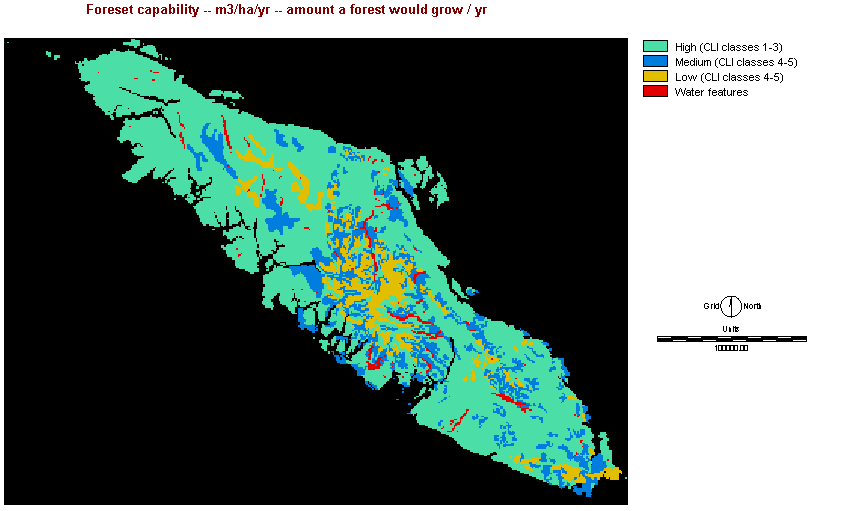
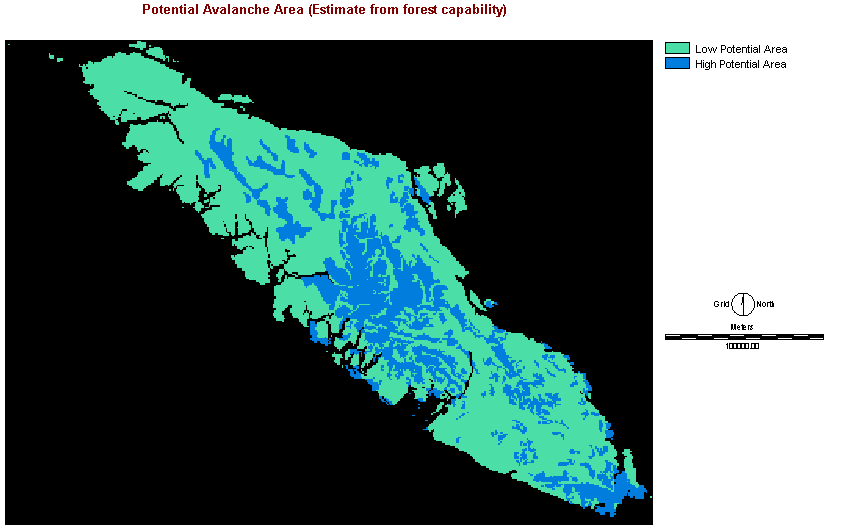
As the data of vegetation cover cannot be found from any source, the only data available is the capability of forest. We assume that the capability of forest are related to the maturity of forest and vegetation cover. High vegetation cover and mature forest could help preventing snow avalanche. On the other hand, snow avalanche are easier to be triggered on a low vegetation or young forest slope.

Text Box: As the data of vegetation cover cannot be found from any source, the only data available is the capability of forest. We assume that the capability of forest are related to the maturity of forest and vegetation cover. High vegetation cover and mature forest could help preventing snow avalanche. On the other hand, snow avalanche are easier to be triggered on a low vegetation or young forest slope.
Vegetation and Forest Cover

Higher the forest capability, we assume that higher vegetation cover and more mature forest that snow avalanche has lower potential to occur. Therefore the data above is reclassified as below:

High Forest Capability = Low Potential Area
Medium Forest Capability = High Potential Area
Low Forest Capability = High Potential Area

Text Box: Higher the forest capability, we assume that higher vegetation cover and more mature forest that snow avalanche has lower potential to occur. Therefore the data above is reclassified as below:
High Forest Capability = Low Potential Area
Medium Forest Capability = High Potential Area
Low Forest Capability = High Potential Area

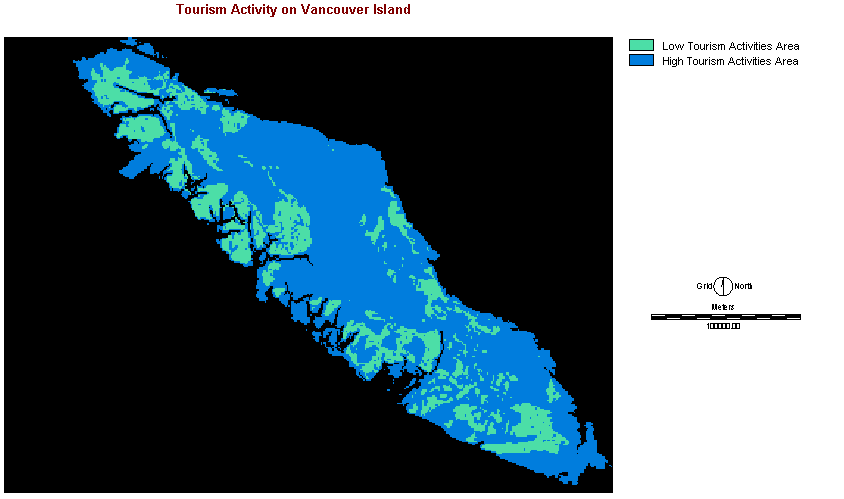
Tourism, including winter activities like skiing, snowboarding and hiking, is a trigger of snow avalanche. The noise vibration and disturbance of the snow surface by skiers are the main cause. Heavy tourism would increase the chance of triggering snow avalanche. Also, a snow avalanche occur in an heavy tourism area would cause more injury and death.

Text Box: Tourism, including winter activities like skiing, snowboarding and hiking, is a trigger of snow avalanche. The noise vibration and disturbance of the snow surface by skiers are the main cause. Heavy tourism would increase the chance of triggering snow avalanche. Also, a snow avalanche occur in an heavy tourism area would cause more injury and death.

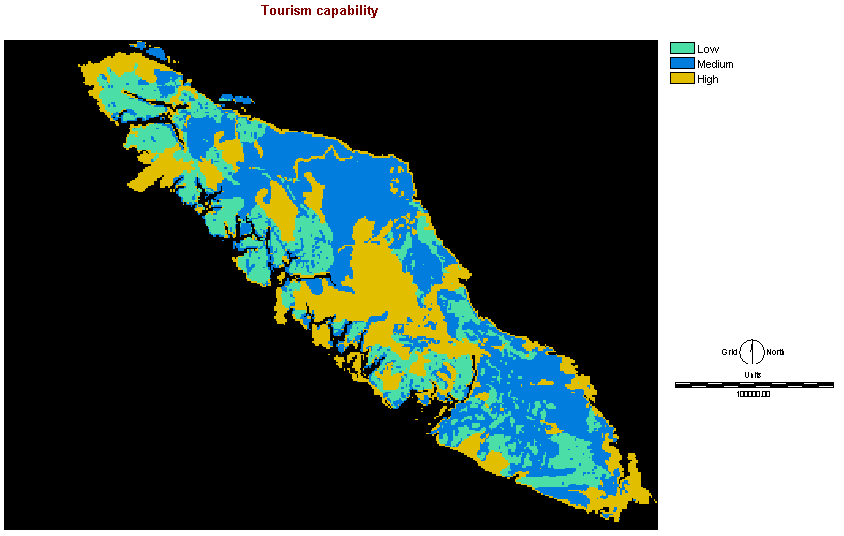
We assume that higher tourism capability in that area lead more tourist activity being held there. Therefore tourism capability data is reclassified as below:

Low Tourism Capability = Low Potential Area
Medium Tourism Capability = High Potential Area
High Tourism Capability = High Potential Area

Text Box: We assume that higher tourism capability in that area lead more tourist activity being held there. Therefore tourism capability data is reclassified as below:
Low Tourism Capability = Low Potential Area
Medium Tourism Capability = High Potential Area
High Tourism Capability = High Potential Area

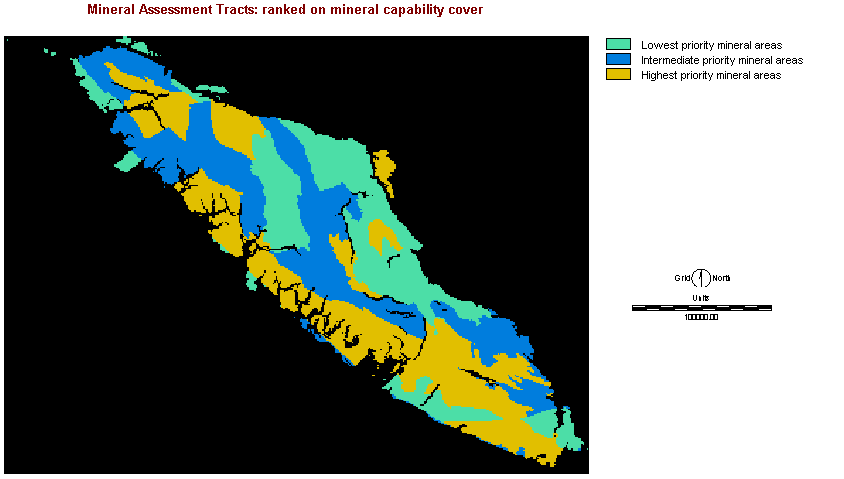
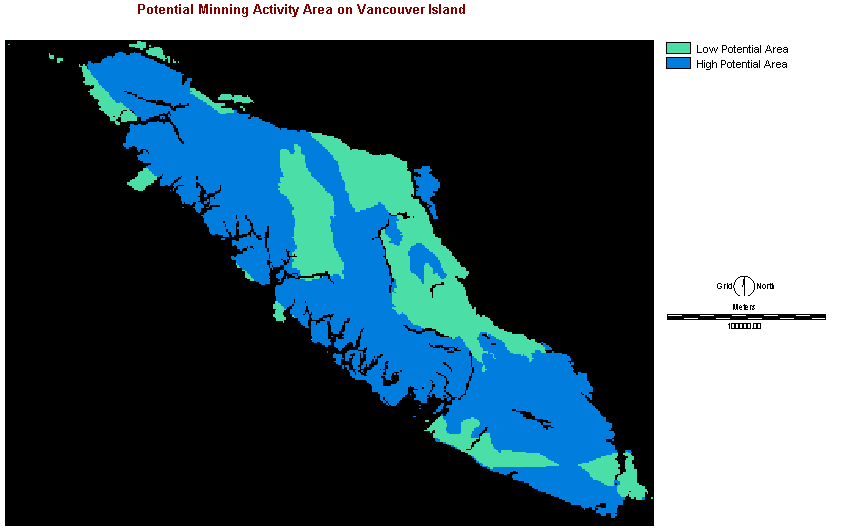
Mining activity is another trigger of snow avalanche. Slopes underlain by soluble rocks or rocks easily weaken by mining activity, have a greater potential for snow avalanche. The potential is further increased if mining tunnel collapse and create vibration.

Text Box: Mining activity is another trigger of snow avalanche. Slopes underlain by soluble rocks or rocks easily weaken by mining activity, have a greater potential for snow avalanche. The potential is further increased if mining tunnel collapse and create vibration.

We assume that higher priority of mineral in that area would have a greater change to lead more mining activity. Therefore mineral capability data is reclassified as below:

Low Priority Mineral Area = Low Potential Area
Intermediate Priority Mineral Area = High Potential Area
Highest Priority Mineral Area = High Potential Area

Text Box: We assume that higher priority of mineral in that area would have a greater change to lead more mining activity. Therefore mineral capability data is reclassified as below:
Low Priority Mineral Area = Low Potential Area
Intermediate Priority Mineral Area = High Potential Area
Highest Priority Mineral Area = High Potential Area

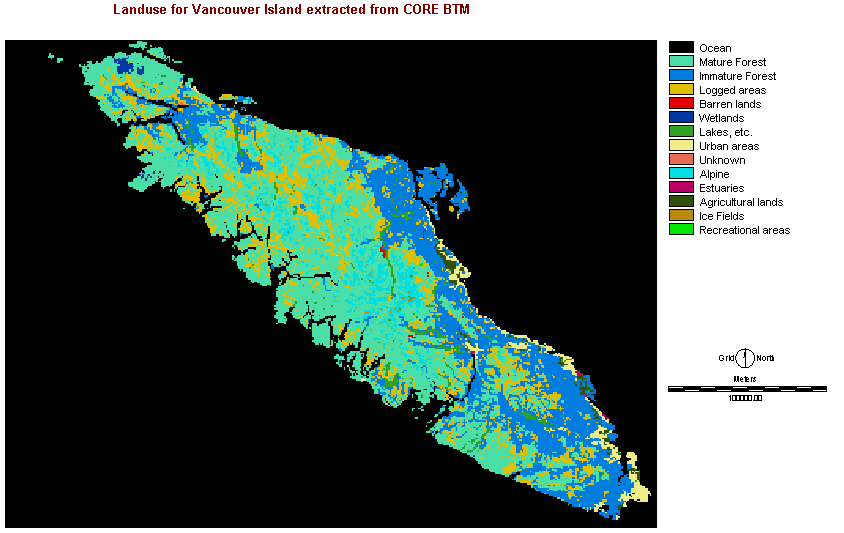
Snow avalanche only become a natural hazard when it occur in areas where there are human settlements. Mapping, the snow avalanche hazard and its impact on human, is the main purpose of this project. Therefore, we have to find out where the human settlements and area would involve human activity are. The landuse data is being use to determine where those areas are for further spatial analysis.

Text Box: Snow avalanche only become a natural hazard when it occur in areas where there are human settlements. Mapping, the snow avalanche hazard and its impact on human, is the main purpose of this project. Therefore, we have to find out where the human settlements and area would involve human activity are. The landuse data is being use to determine where those areas are for further spatial analysis.

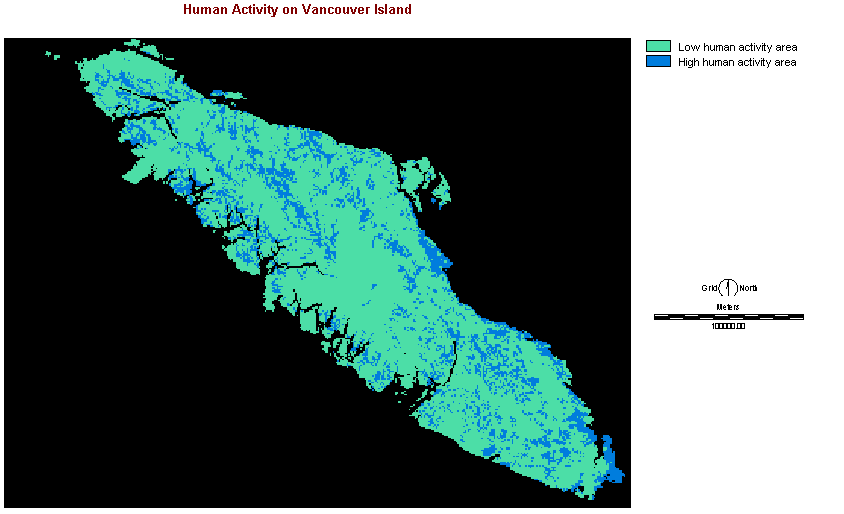
In the original data, there are 13 categories. We assume Urban Areas, Recreational Areas, Agricultural Lands and Logged Areas would be the areas associate with more human activity (classified as high huamn activity area). Any areas beside those categories would be classified as low human activity area.

Text Box: In the original data, there are 13 categories. We assume Urban Areas, Recreational Areas, Agricultural Lands and Logged Areas would be the areas associate with more human activity (classified as high huamn activity area). Any areas beside those categories would be classified as low human activity area.

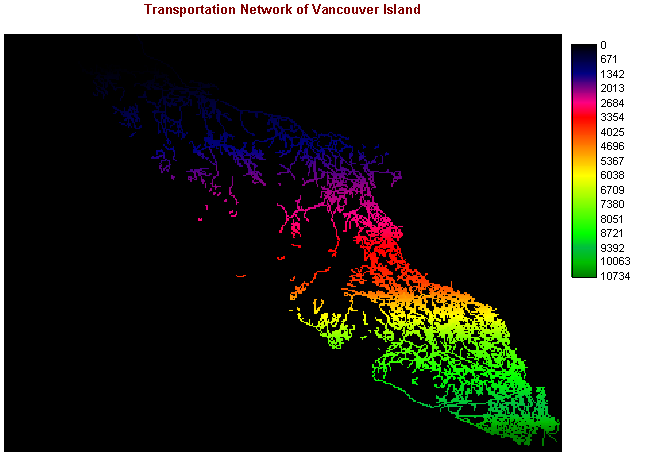
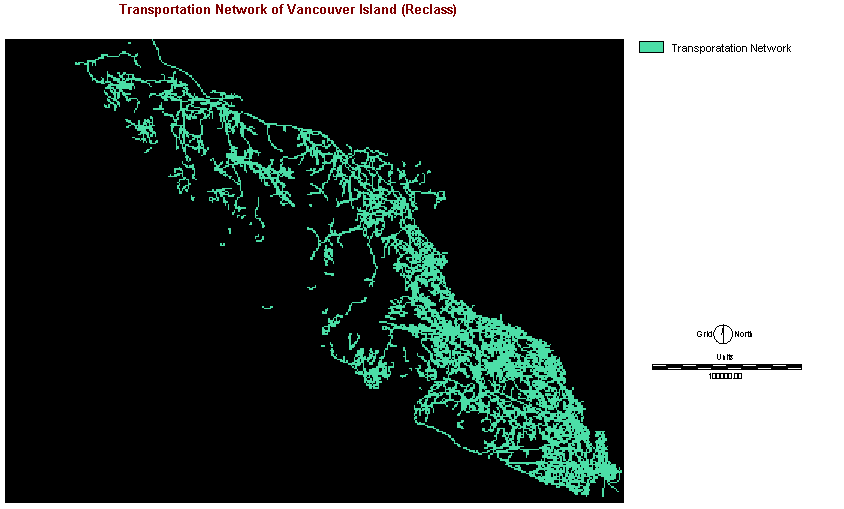
Snow Avalanches may block a highway or threaten drivers and passages' safety. That is important to indicate which part of the transportation network may have a greater chance to be affected by snow avalanche. Data of Transportation Network is needed to be prepared for spatial analysis.

Text Box: Snow Avalanches may block a highway or threaten drivers and passages' safety. That is important to indicate which part of the transportation network may have a greater chance to be affected by snow avalanche. Data of Transportation Network is needed to be prepared for spatial analysis.

The original data comes with values (from 0 to 10734) which I don't know what they are represented. Therefore, we just assign all the roads to a single value because all the primary road, secondary road, trial and railway are equally risky to snow avalanche.

Text Box: The original data comes with values (from 0 to 10734) which I don't know what they are represented. Therefore, we just assign all the roads to a single value because all the primary road, secondary road, trial and railway are equally risky to snow avalanche.
Tourism
Mining Activity


Human Activity Area
Introduction        Data Collection          Methodology         Spatial Analysis       Conclusion
Text Box: Introduction        Data Collection          Methodology         Spatial Analysis       Conclusion
Back
Text Box: Back
Transportation Network
Next
Text Box: Next