

PLANT LIST
The plants are sorted by Latin name. Search the page to find the plant you're interested in!
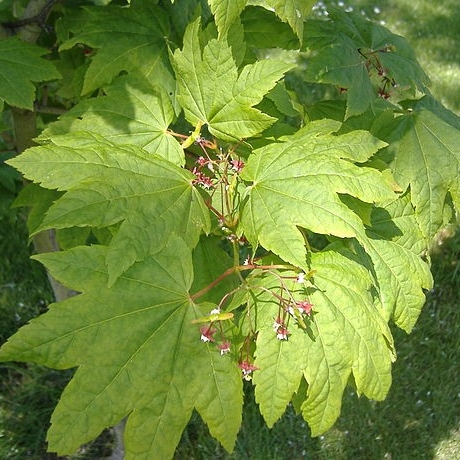
Acer circinatum, Latin
Vine maple, English
sic̓əɬp, hən̓q̓əmin̓əm̓
t’eḵt’ḵáy̓, sḵwx̱wú7mesh snichim
Our vine maples are planted around the Archaeology flaking pit.

Achillea millefolium, Latin
Western yarrow, English
ƛ ̓əléqwəłp, hən̓q̓əmin̓əm̓
síʔsemáchxw, sḵwx̱wú7mesh snichim

Achlys triphylla, Latin
Vanilla leaf, English
--, hən̓q̓əmin̓əm̓
--, sḵwx̱wú7mesh snichim
This is growing underneath the maple, and around the hazelnut, along with bleeding hearts. The dried leaves smell like vanilla and have been used in tea and to scent houses, but please don't pick them yet - we are still trying to establish colonies of this spreading ground cover.

Adiantum aleuticum, Latin
Maidenhair fern, English
--, hən̓q̓əmin̓əm̓
--, sḵwx̱wú7mesh snichim
- Black stems are used in woven basket designs.

Allium crenuum, Latin
Nodding onion, English
q w̓ux̌ wiuc, hən̓q̓əmin̓əm̓
ḵweláwa, sḵwx̱wú7mesh snichim
There are two small patches of onion underneath the lodgepole pines. We're not sure if ours have purple or white blossoms!

Amelanchier alnifolia, Latin
Saskatoon/June berry, English
--, hən̓q̓əmin̓əm̓
snástam (berries), sḵwx̱wú7mesh snichim
Our saskatoon berry is planted on the south slope to the right of the elder tree.

Anaphalis margaritacea, Latin
Pearly everlasting, English
--, hən̓q̓əmin̓əm̓
--, sḵwx̱wú7mesh snichim
Our pearly everlasting is planted on the west slope of the garden. Some is above the black hawthorn, and some is above the strawberry patch along with red columbine and wooly sunflower.

Antennaria rosea, Latin
Rosy pussytoes, English
--, hən̓q̓əmin̓əm̓
--, sḵwx̱wú7mesh snichim
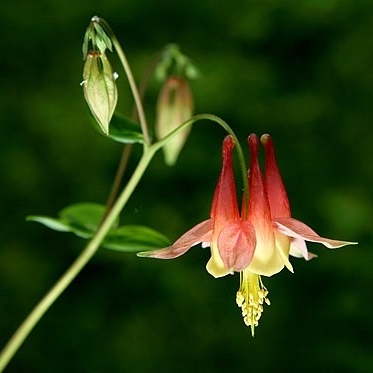
Aquilegia formosa, Latin
Red columbine, English
leymtəən, hən̓q̓əmin̓əm̓
--, sḵwx̱wú7mesh snichim

Arctostaphylos uva-ursi, Latin
Kinnikinnick/bearberry, English
ƛ̓ik̓ʷən̓əɬp (bush), hən̓q̓əmin̓əm̓
tl’íkw’enay̓ (bush), sḵwx̱wú7mesh snichim

Armeria maritima, Latin
Sea thrift, English
--, hən̓q̓əmin̓əm̓
--, sḵwx̱wú7mesh snichim

Aruncus sylvester, Latin
Goat's beard, English
chachkʷáaləs, hən̓q̓əmin̓əm̓
pápuʔten, sḵwx̱wú7mesh snichim

Asarum caudatum, Latin
Wild ginger, English
--, hən̓q̓əmin̓əm̓
x̱et’tánay, sḵwx̱wú7mesh snichim
This plant has rhizomes that smell like ginger. There are studies showing it is carcinogenic, and it contains molecules that can cause kidney damage. Consult an experienced individual if using this as medicine.

Aster subspicatus, Latin
Douglas aster, English
--, hən̓q̓əmin̓əm̓
--, sḵwx̱wú7mesh snichim
These purple daisy-like flowers bloom from July through September, and provide food for bees and butterflies.

Athyrium filix-femina, Latin
Lady fern, English
--, hən̓q̓əmin̓əm̓
x̱án’q, sḵwx̱wú7mesh snichim (refers to the young shoots)

Berberis/Mahonia aquifolium, Latin
Tall Oregon grape, English
səniʔəɬp (bush), hən̓q̓əmin̓əm̓
séliy̓ay̓ (bush), sḵwx̱wú7mesh snichim

Berberis/Mahonia nervosa, Latin
Dull Oregon grape, English
lə́ləc̓əłp (bush), hən̓q̓əmin̓əm̓
séliy̓ay̓ (bush), sḵwx̱wú7mesh snichim

Bromus vulgaris, Latin
Columbia brome, English
--, hən̓q̓əmin̓əm̓
áqaʔł, sḵwx̱wú7mesh snichim
Columbia brome is a tall native woodland grass. It is often found growing with red columbine, fringecup, and Oregon grape.
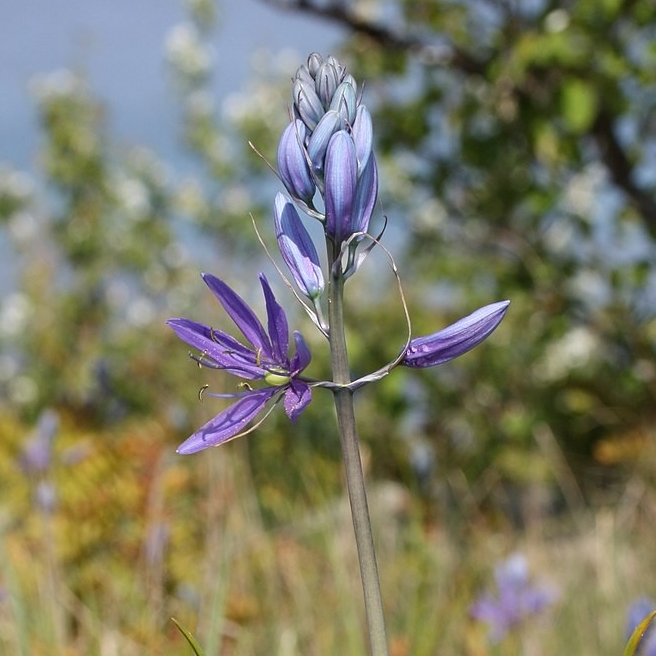
Camassia quamash, Latin
Common camas, English
spé-nxʷ, hən̓q̓əmin̓əm̓
spánanexw, sḵwx̱wú7mesh snichim
Camas are part of the Garry Oak ecosystem that is primarily located now on Vancouver Island. They are frequently seen with local buttercups, california oatgrass, wooly sunflower, and yarrow. Camas have been an important root crop throughout Southern BC and the PNW of the USA. The preparation of the plant is key to its edibility.
Our camas currently looks like tiny grass growing, as we started it from seed in the Fall of 2022. It is planted between the sumac tree and the black hawthorn tree in the triangle of flagging tape.
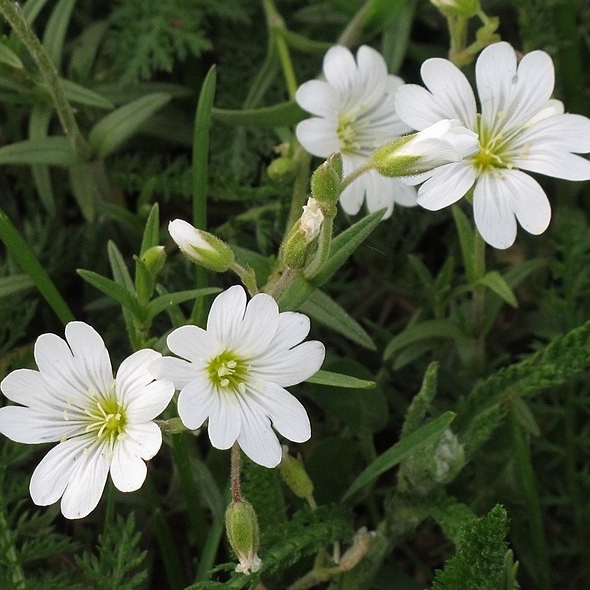
Cerastium arvense, Latin
Field chickweed, English
--, hən̓q̓əmin̓əm̓
--, sḵwx̱wú7mesh snichim
The leaves are edible as a salad green.

Chamerion latifolium, Latin
Dwarf fireweed, English
x̌ecət, hən̓q̓əmin̓əm̓
--, sḵwx̱wú7mesh snichim

Claytonia perfoliata, Latin
Miner's lettuce, English
qw'áwoxoy'əəts', hən̓q̓əmin̓əm̓
qwuláwa, sḵwx̱wú7mesh snichim
- The leaves are edible as a salad green throughout the growing cycle.
- This annual reseeds itself, and can be seen all over the garden.
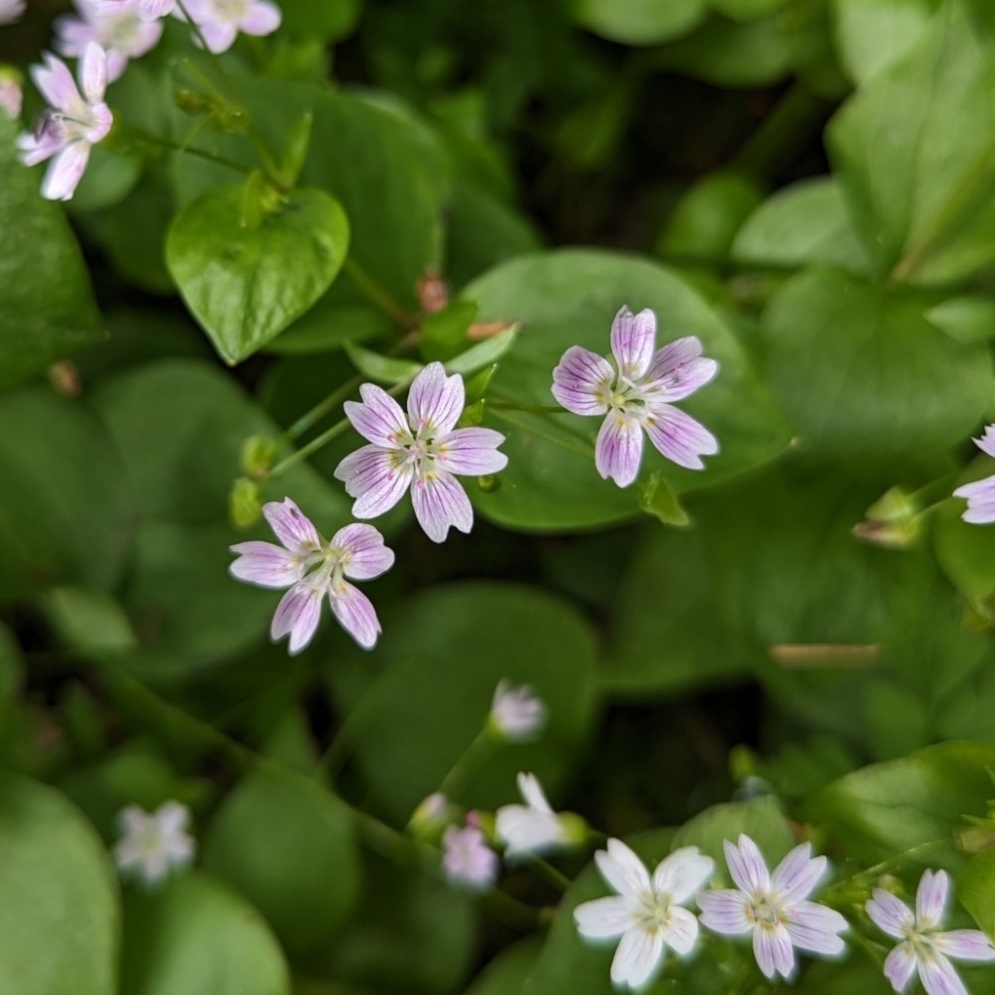
Claytonia siberica, Latin
Candy flower/spring beauty, English
--, hən̓q̓əmin̓əm̓
--, sḵwx̱wú7mesh snichim
- The leaves are edible as a salad green throughout the growing cycle.
- This annual reseeds itself, and can be seen all over the garden.
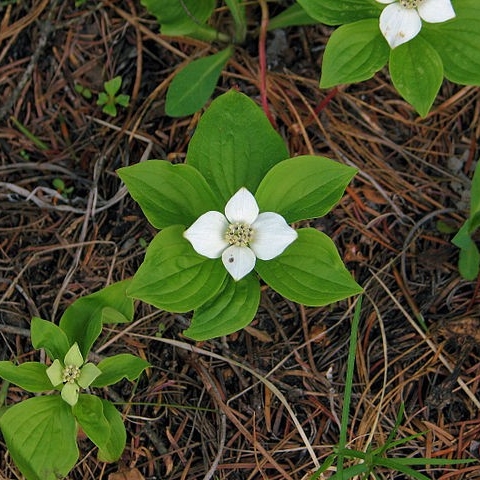
Cornus canadensis, Latin
Bunchberry, English
--, hən̓q̓əmin̓əm̓
--, sḵwx̱wú7mesh snichim
- The bunchberry is mostly found in the top corner of our garden, near the oregon grape.
- It is in the dogwood family, and the fruit is a drupe that is edible raw or cooked.
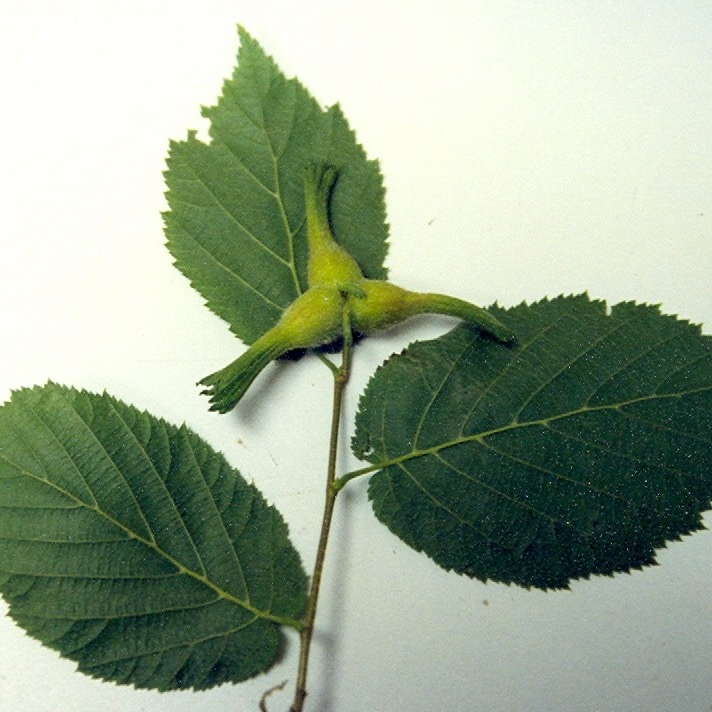
Corylus cornuta, Latin
Beaked hazelnut, English
st̕θicəməɬp (bush), hən̓q̓əmin̓əm̓
ḵ’p’ax̱w (generic term for any nut), sḵwx̱wú7mesh snichim
- Hazelnuts are an important food source. The nuts are delicious, and store well for the winter.
- Our beaked hazelnut is planted next to the building, on the lower slope.
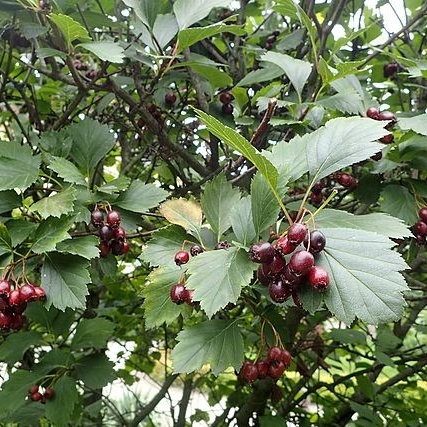
Crataegus douglasii, Latin
Black hawthorn, English
--, hən̓q̓əmin̓əm̓
--, sḵwx̱wú7mesh snichim
- Thorns used for rakes, fish hooks.
- Berries are eaten fresh and dried, often with oil or grease. The taste is rather bland.
- Our black hawthorn is planted on the west side of the garden entrance. When facing the camas, it is directly to the right.
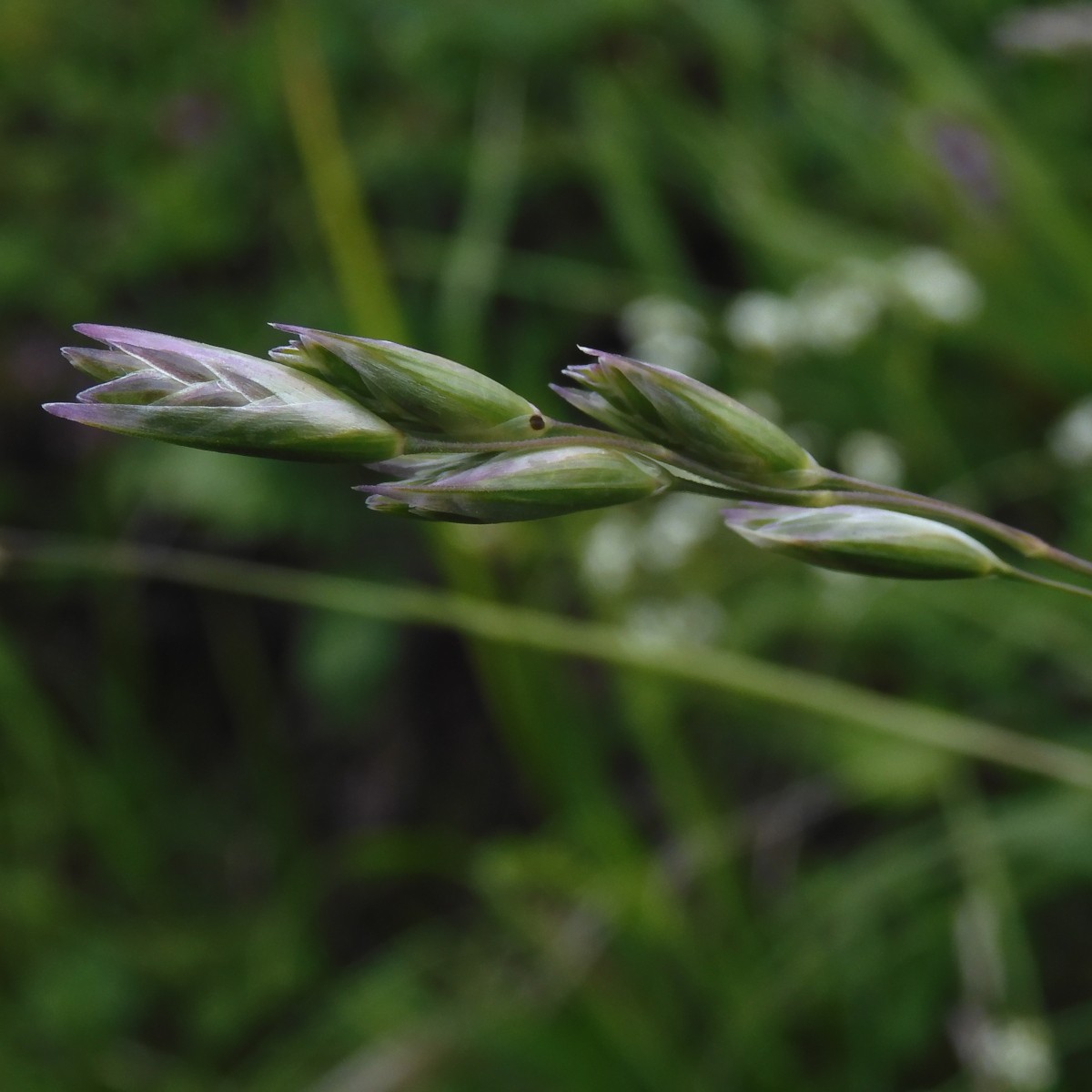
Danthonia californica, Latin
California oatgrass, English
--, hən̓q̓əmin̓əm̓
--, sḵwx̱wú7mesh snichim
The California oatgrass is a low-growing bunchgrass, planted near the Camas.

Dicentra formosa, Latin
Pacific bleeding heart, English
səɬa:ɬəx̌ʷəm, hən̓q̓əmin̓əm̓
--, sḵwx̱wú7mesh snichim
This is planted in the shade of the maple, and around the base of the hazelnut.
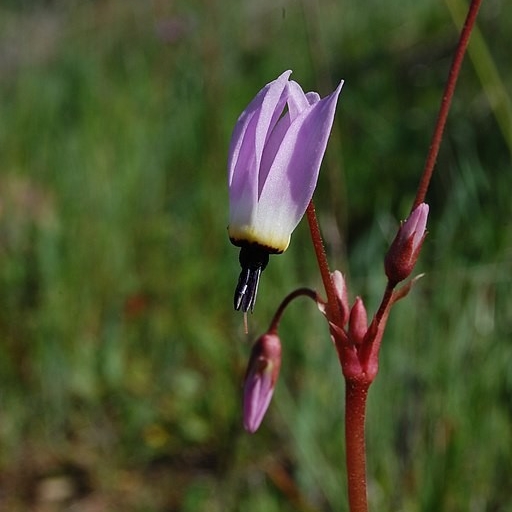
Dodecatheon hendersonii, Latin
Broad-leaved shooting star, English
--, hən̓q̓əmin̓əm̓
--, sḵwx̱wú7mesh snichim
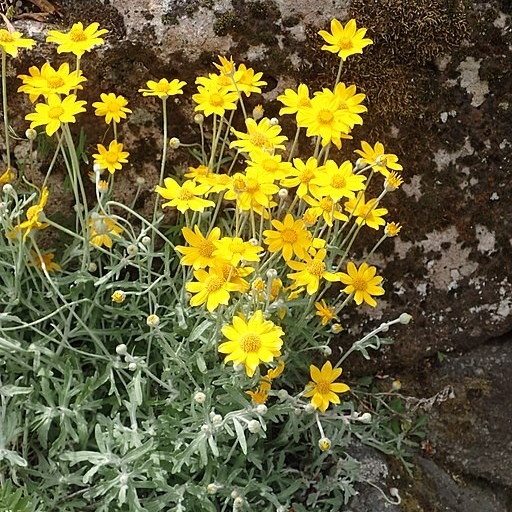
Eriophyllum lanatum, Latin
Wooly sunflower, English
--, hən̓q̓əmin̓əm̓
--, sḵwx̱wú7mesh snichim
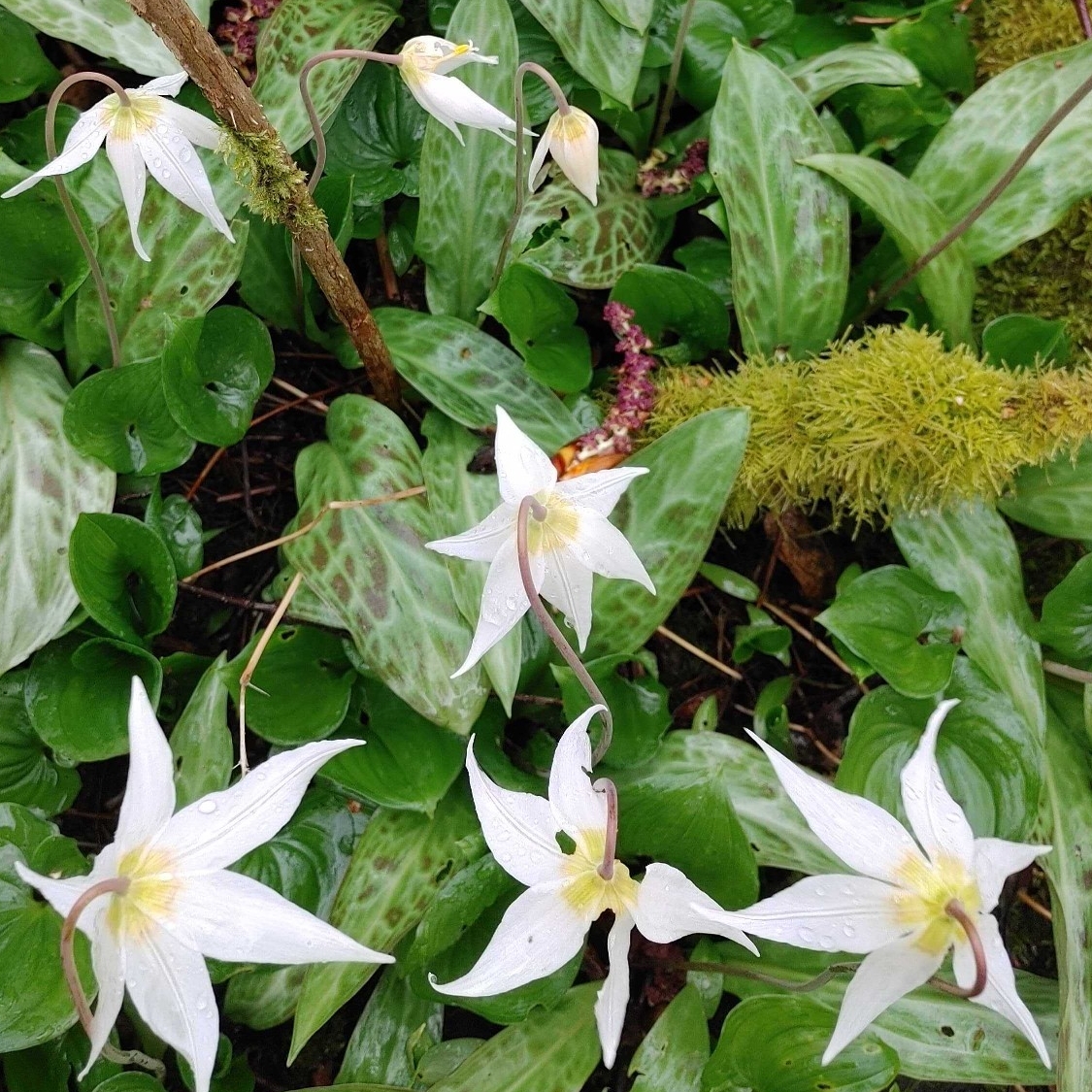
Erythronium oregonum, Latin
White fawn lily, English
--, hən̓q̓əmin̓əm̓
--, sḵwx̱wú7mesh snichim
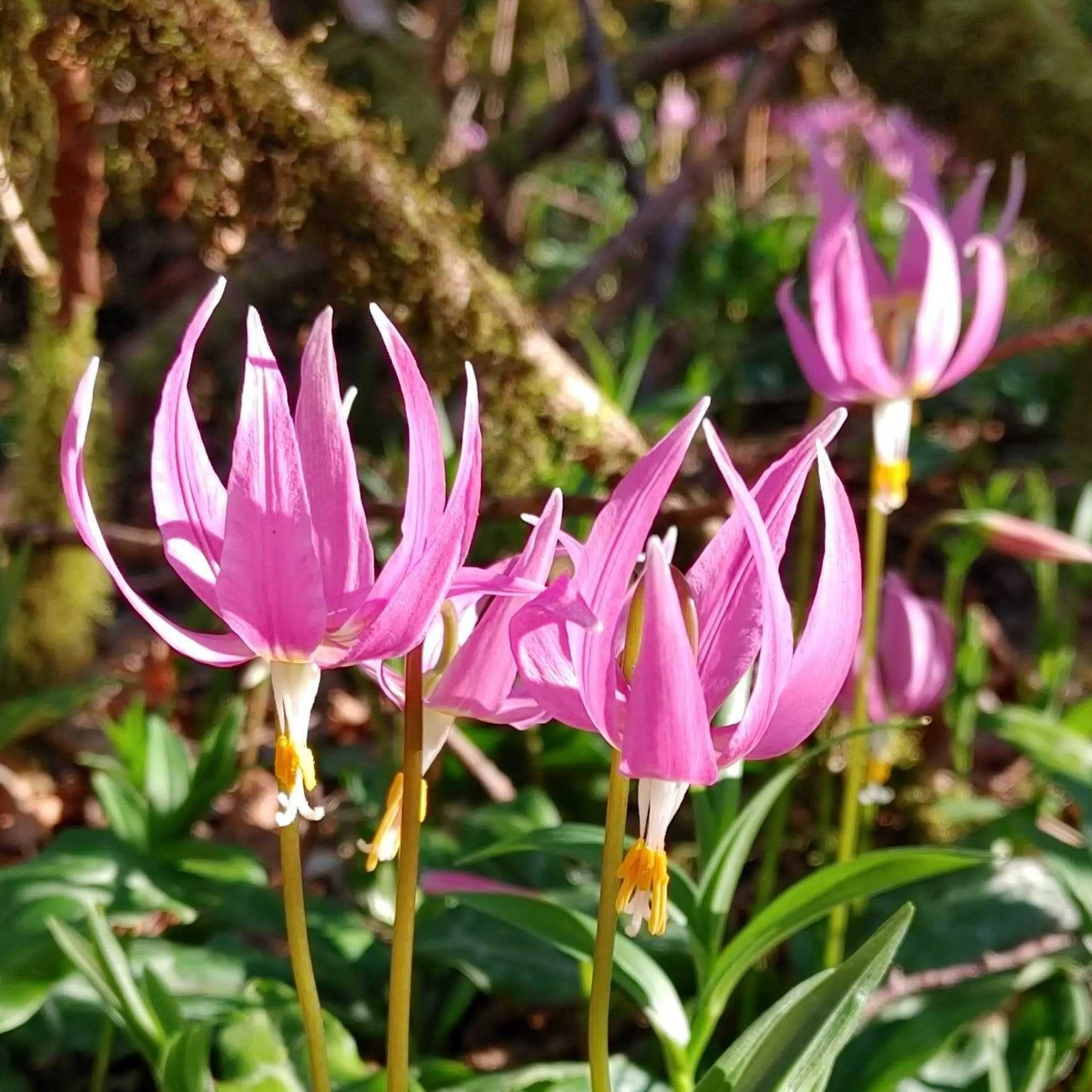
Erythronium revolutum, Latin
Fawn lily, English
--, hən̓q̓əmin̓əm̓
--, sḵwx̱wú7mesh snichim

Fragaria chiloensis, Latin
Coastal strawberry, English
sc̓íy̓eʔəɬp, hən̓q̓əmin̓əm̓
Schi7iáý, sḵwx̱wú7mesh snichim
The berries are delicious, and the leaves are used in tea. Strawberries have been an important food source throughout human experience.

Fragaria vesca, Latin
Woodland strawberry, English
--, hən̓q̓əmin̓əm̓
--, sḵwx̱wú7mesh snichim
The berries are delicious, and the leaves are used in tea. Strawberries have been an important food source throughout human experience.

Fragaria virginiana, Latin
Wild strawberry, English
--, hən̓q̓əmin̓əm̓
--, sḵwx̱wú7mesh snichim
The berries are delicious, and the leaves are used in tea. Strawberries have been an important food source throughout human experience.
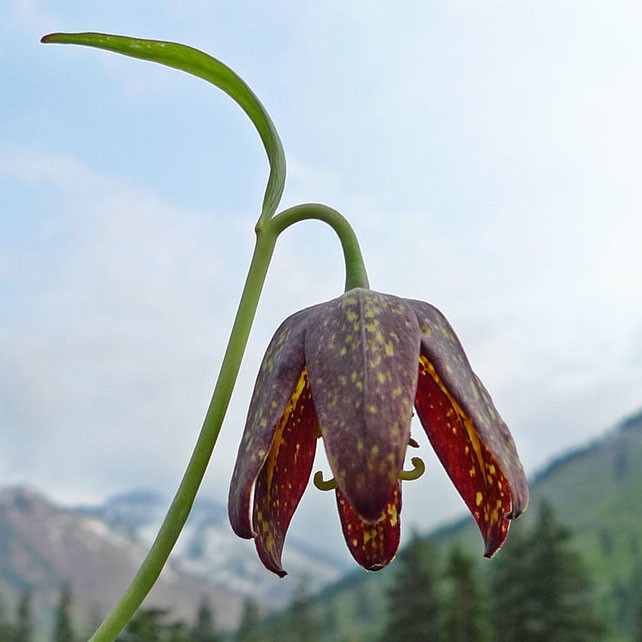
Fritillaria lanceolata, Latin
Chocolate lily, English
sƛ̓ələq̓ʷ, hən̓q̓əmin̓əm̓
lhásem, sḵwx̱wú7mesh snichim
Also known as rice root, this plant has been an important food source for Coast Salish communities. This plant has mostly disappeared from the urban landscape of southwestern BC.

Gaultheria shallon, Latin
Salal, English
t̕eqeʔəɬp (bush), hən̓q̓əmin̓əm̓
t'áḵa7ay (bush), sḵwx̱wú7mesh snichim
The dried leaves can be used for tea, and the berries can be eaten fresh, dried, or cooked.

Holodiscus discolor, Latin
Oceanspray, English
--, hən̓q̓əmin̓əm̓
ḵálx̱aý, sḵwx̱wú7mesh snichim

Lomatium nudicaule, Latin
Desert parsley, English
q̓əx̌mín, hən̓q̓əmin̓əm̓
ḵ’ex̱min, sḵwx̱wú7mesh snichim

Maianthemum dilatatum, Latin
False lily of the valley, English
--, hən̓q̓əmin̓əm̓
--, sḵwx̱wú7mesh snichim
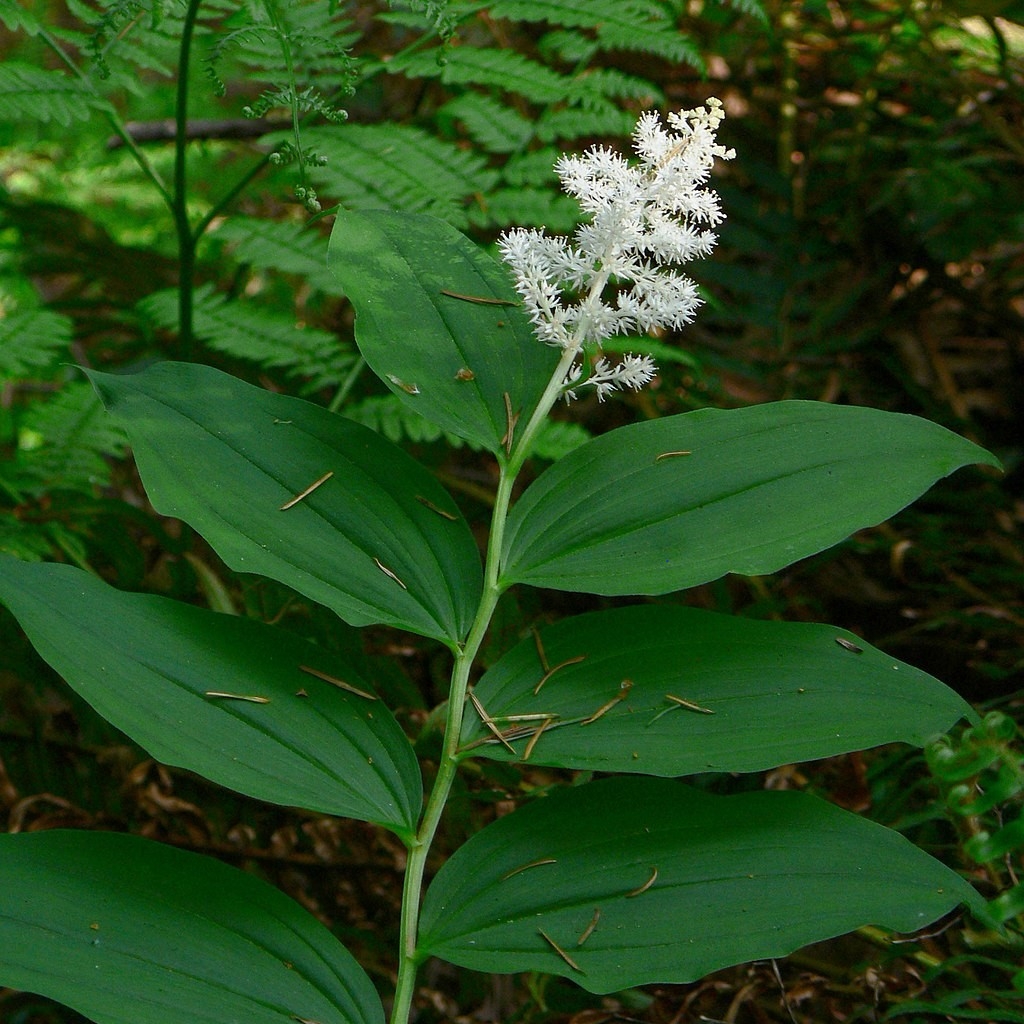
Maianthemum racemosum (or M. amplexicaule), Latin
False Salmon's seal, English
--, hən̓q̓əmin̓əm̓
--, sḵwx̱wú7mesh snichim
This plant is edible, although the young shoots are most commonly consumed. Be cautious when identifying and harvesting. There are many plants that look similar and are highly toxic.
Ours is planted near the maple tree.

Malus fusca, Latin
Pacific crabapple, English
qʷəʔáp, hən̓q̓əmin̓əm̓
ḵwe7úp, sḵwx̱wú7mesh snichim
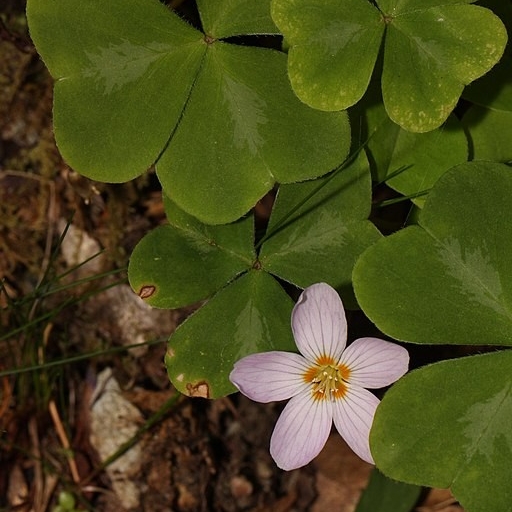
Oxalis oregana, Latin
Redwood sorrel, English
--, hən̓q̓əmin̓əm̓
--, sḵwx̱wú7mesh snichim

Penstemon davidsonii, Latin
Alpine penstemon, English
--, hən̓q̓əmin̓əm̓
--, sḵwx̱wú7mesh snichim

Petasites frigidus palmatus, Latin
Western sweet coltsfoot, English
--, hən̓q̓əmin̓əm̓
--, sḵwx̱wú7mesh snichim
- the young leaves can be used for salad
- mature leaves as a funnel or temporary container for berries

Pinus contorta, Latin
Lodgepole pine, English
--, hən̓q̓əmin̓əm̓
--, sḵwx̱wú7mesh snichim

Plectritis congesta, Latin
Sea blush, English
--, hən̓q̓əmin̓əm̓
--, sḵwx̱wú7mesh snichim
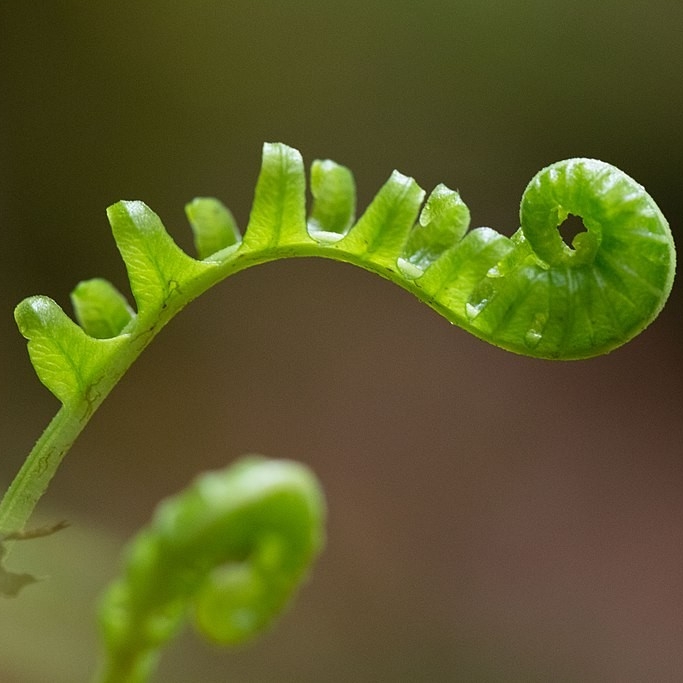
Polypodium glycyrrhiza, Latin
Licorice fern, English
ƛ̓sip, hən̓q̓əmin̓əm̓
tl’asíp (root), sḵwx̱wú7mesh snichim
- The root is an important food source.

Polystichum munitum, Latin
Sword fern, English
sθχeləm, hən̓q̓əmin̓əm̓
tsx̱álem, sḵwx̱wú7mesh snichim
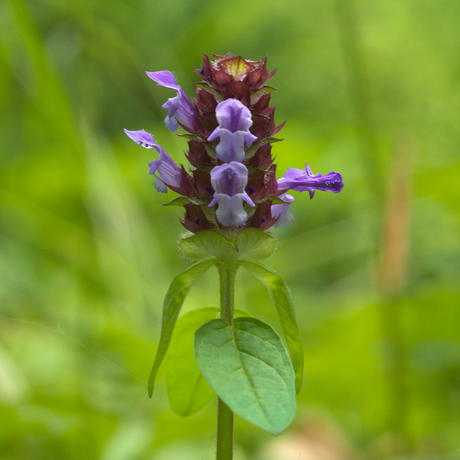
Prunella vulgaris ssp. lanceolata, Latin
Self heal, English
--, hən̓q̓əmin̓əm̓
--, sḵwx̱wú7mesh snichim

Pteridium aquilinum, Latin
Bracken fern, English
ptekwum, hən̓q̓əmin̓əm̓ (Compton and Gerdts)
--, sḵwx̱wú7mesh snichim
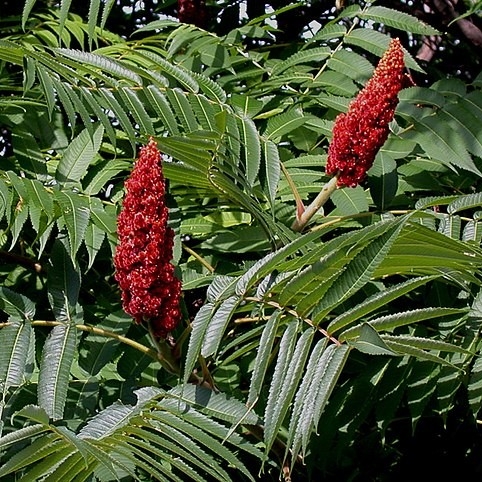
Rhus glabra, Latin
Sumac, English
--, hən̓q̓əmin̓əm̓
--, sḵwx̱wú7mesh snichim
The seed heads can be soaked in water to make a drink similar to lemonade, and the dried fruits can be used for tea.

Ribes sanguineum, latin
Red-flowering currant, English
sṕe, hən̓q̓əmin̓əm̓
ḵwílayusay̓, sḵwx̱wú7mesh snichim

Rosa gymnocarpa, latin
Baldhip rose, English
qel̕qəɬp (bush), hən̓q̓əmin̓əm̓
-- (bush), sḵwx̱wú7mesh snichim

Rosa nutkana, latin
Nootka Rose, English
qel̕qəɬp (bush), hən̓q̓əmin̓əm̓
ḵál̓ḵay (bush), sḵwx̱wú7mesh snichim
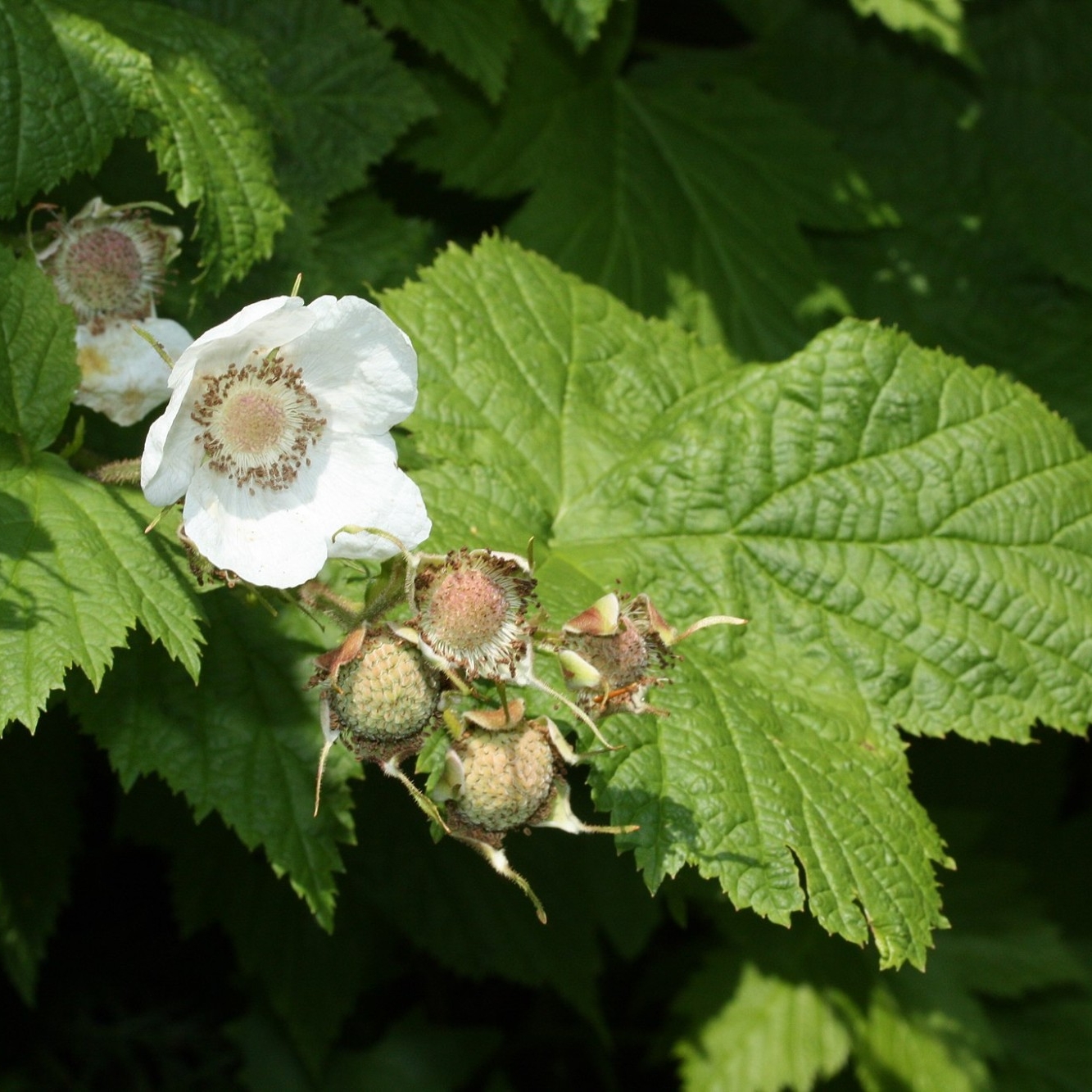
Rubus parviflorus, Latin
Thimbleberry, English
t̕qʷəməɬp (bush), hən̓q̓əmin̓əm̓
t’aḵw’emay̓ (bush), sḵwx̱wú7mesh snichim
The early shoots can be peeled and eaten fresh in the spring, or the plants can be left and the tart berries will be ready near the end of July.

Rubus spectabilis, Latin
Salmonberry, English
lileʔəɬp (bush), hən̓q̓əmin̓əm̓
yetwánay̓ (bush), sḵwx̱wú7mesh snichim
The edible fruits are the first to develop in the season. You may see the bright pink flowers before the plant has leaves. The young shoots are edible, called stsá7tskaý in sḵwx̱wú7mesh snichim, and the leaves make a healing tea.

Rubus ursinus, Latin
Trailing blackberry, English
sk̓ʷí·lməxʷ, hən̓q̓əmin̓əm̓
--, sḵwx̱wú7mesh snichim
The flowers are white or pink, and produce small, edible blackberries.

Sambucus racemosa, Latin
Red elderberry, English
t̓ᶿíwəq̓ (bush), hən̓q̓əmin̓əm̓
ts’iwḵ’ay (bush), sḵwx̱wú7mesh snichim
The berries must be cooked or dried before they are eaten.
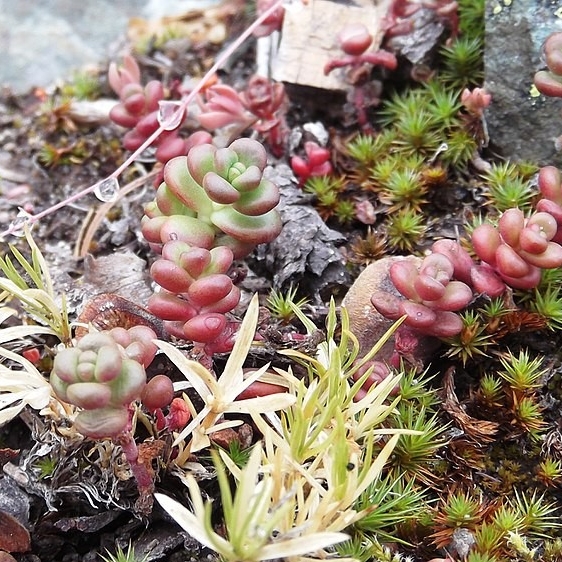
Sedum divergens, Latin
Stonecrop, English
--, hən̓q̓əmin̓əm̓
--, sḵwx̱wú7mesh snichim
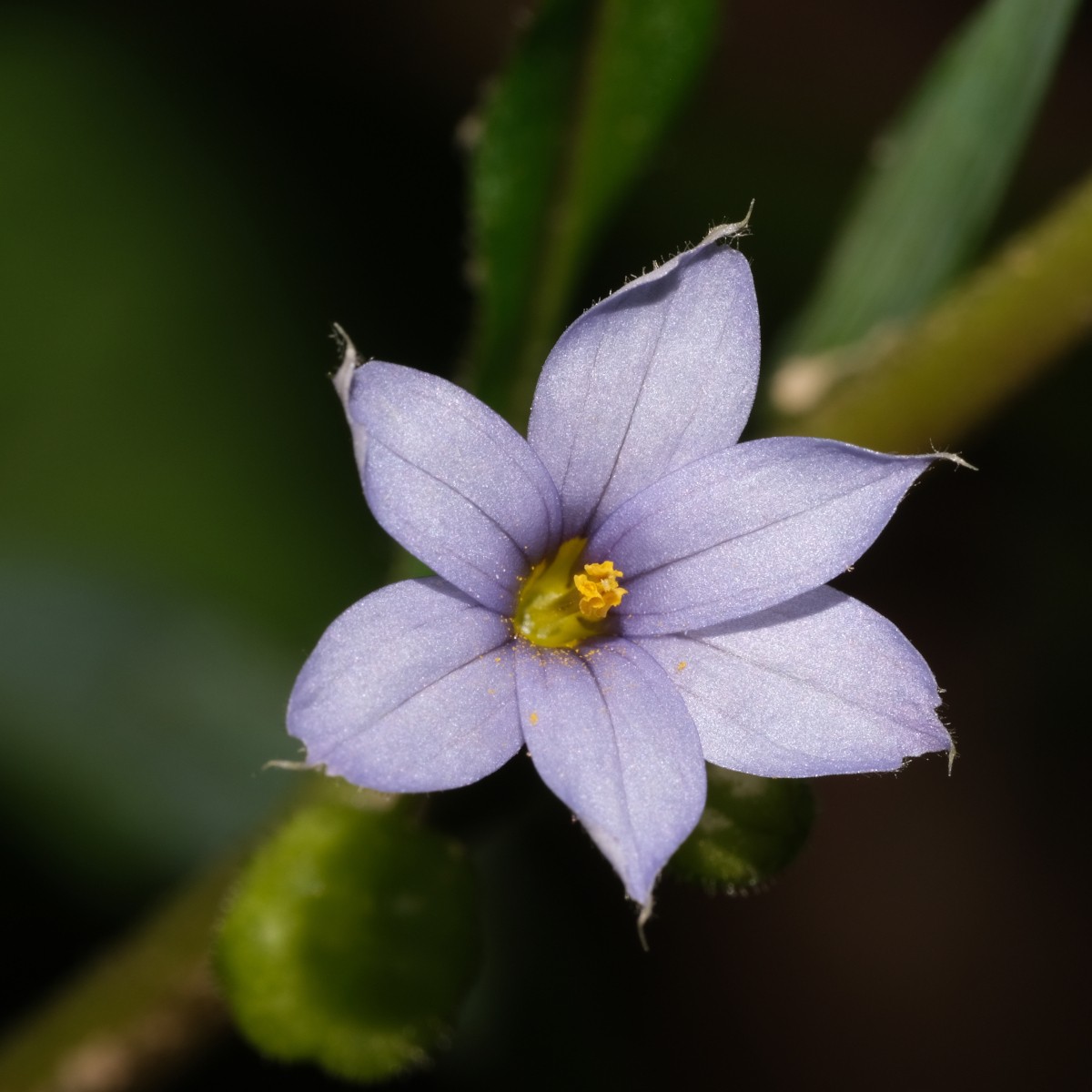
Sisyrinchium angustifolium (or Sisyrinchium californicum), Latin
Blue (or yellow) eyed grass, English
--, hən̓q̓əmin̓əm̓
--, sḵwx̱wú7mesh snichim
We have both blue and yellow, and they are planted near the light post.
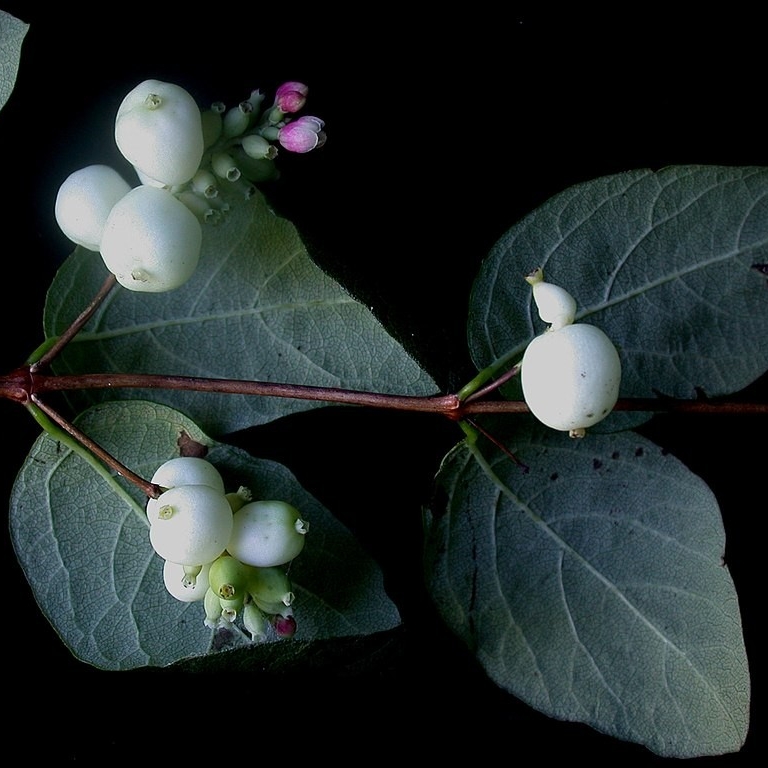
Symphoricarpos albus, Latin
Snowberry, English
pəpq̓əyasəɬp (bush), hən̓q̓əmin̓əm̓
ts’ex̱wts’x̱wáy̓ (bush), sḵwx̱wú7mesh snichim
- The white or pink berries are not edible.
- Ours is growing in the nettle thicket.

Tellima grandiflora, Latin
Fringecup, English
--, hən̓q̓əmin̓əm̓
--, sḵwx̱wú7mesh snichim
This has tiny pink or white and green flowers on a long bloom stalk. It's planted under the maple.
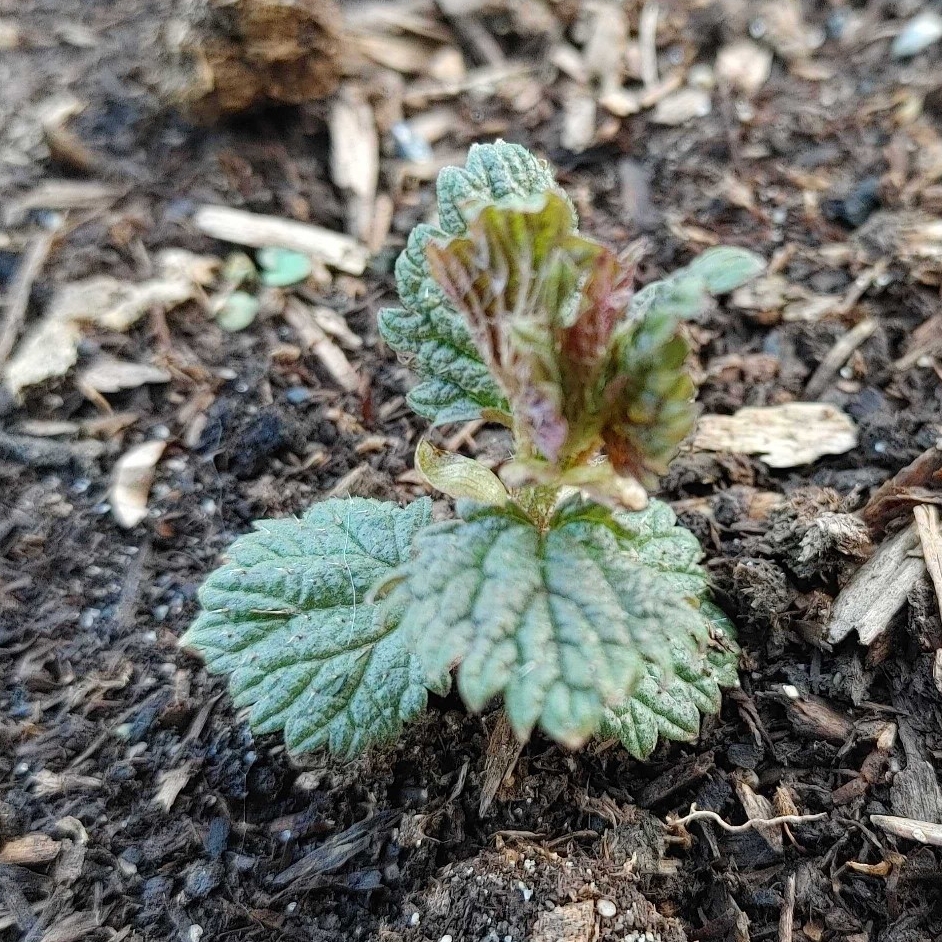
Urtica dioica, Latin
Stinging nettle, English
t̕θəχt̕θəχ, hən̓q̓əmin̓əm̓
ts’ex̱ts’ix̱, sḵwx̱wú7mesh snichim
Most people are quite allergic to the sting of the nettle. Please be cautious around this plant. It is between the maple and the sumac.
The young shoots can be picked and steamed, and the leaves can be used fresh or dried for tea. The plant does sting, but the sting goes away when the plant is dried or cooked. The fibres in the stems have also been used for cord- and thread-making, and weaving. The fabric known as ramie is made of nettle fibres.
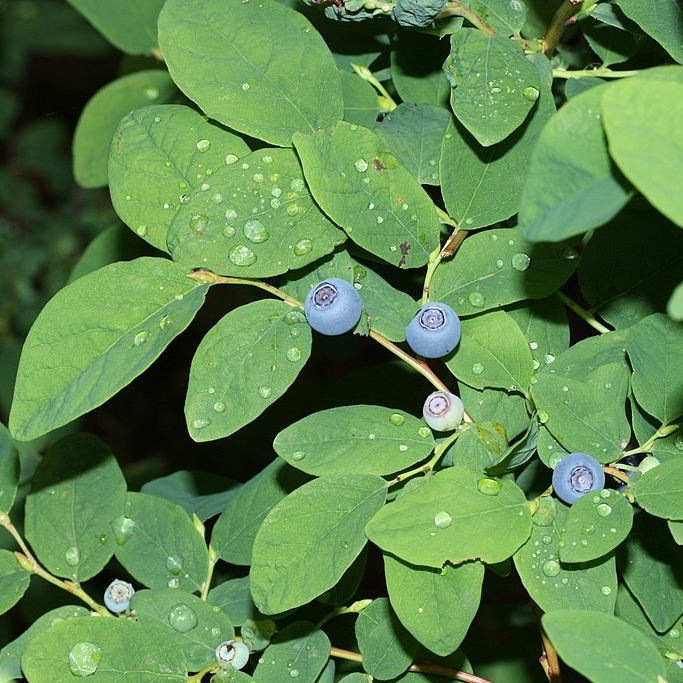
Vaccinium ovalifolium, Latin
Oval leaved blueberry, English
--, hən̓q̓əmin̓əm̓
--, sḵwx̱wú7mesh snichim
The berries are delicious. Blooms before the leaves emerge, early in the spring. We have one of these plants.
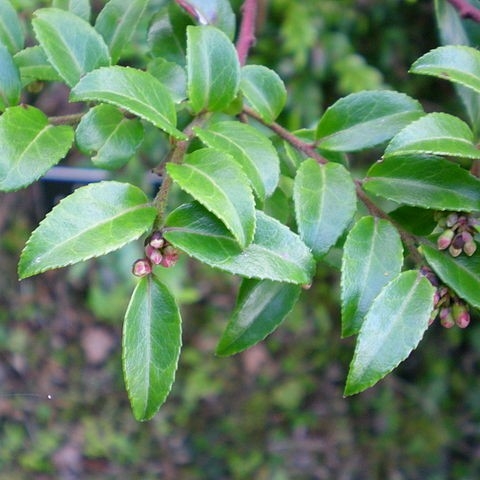
Vaccinium ovatum, Latin
Evergreen huckleberry, English
--, hən̓q̓əmin̓əm̓
--, sḵwx̱wú7mesh snichim
An evergreen shrub that can reach 8 feet tall. It's often found with sword fern, snowberry, thimbleberry, and red huckleberry. The berries are delicious.
We have two of these plants. Can you tell the difference between the three vaccinium species we have in the garden? How can you tell?
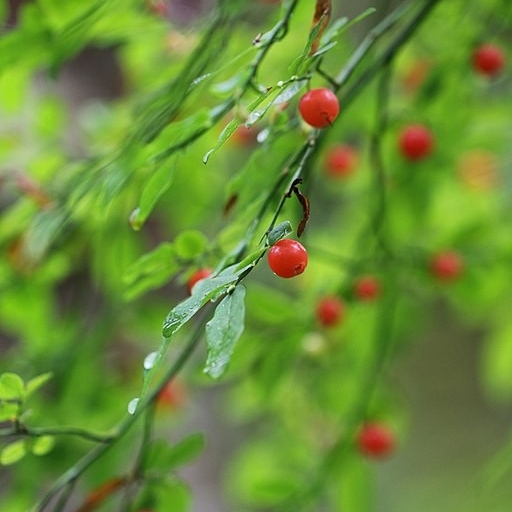
Vaccinium parvifolium, Latin
Red huckleberry, English
skʷəqʷcsəɬp (bush), hən̓q̓əmin̓əm̓
sḵw’eḵwchsáy̓ (bush), sḵwx̱wú7mesh snichim
The berries are usually ready at the end of July. We have two of these plants in our garden.

Vancouveria hexandra, Latin
Inside-out flower, English
--, hən̓q̓əmin̓əm̓
--, sḵwx̱wú7mesh snichim
This is one of the latest spring plants to break dormancy. The flowers are very cool, as they do look like they are inside-out.