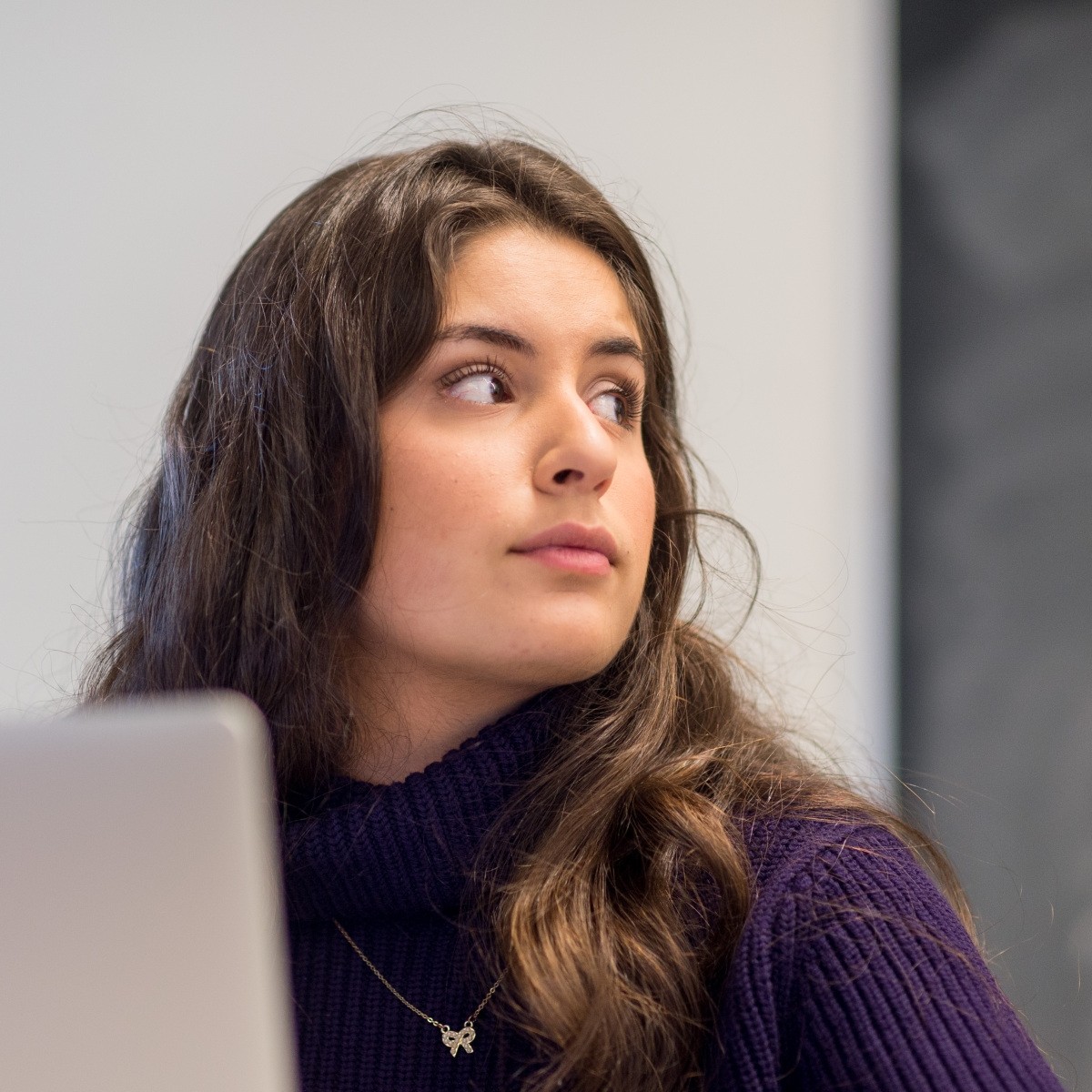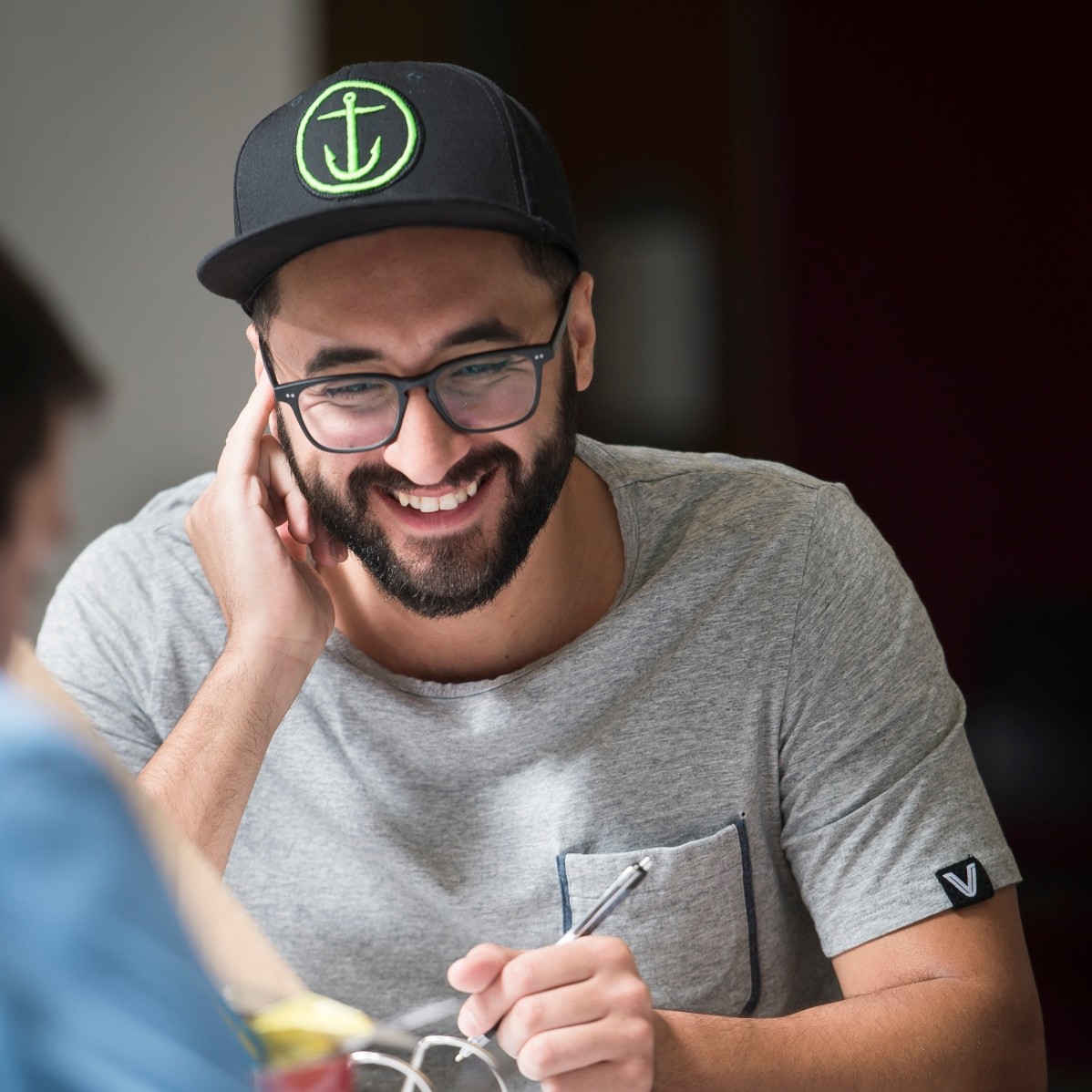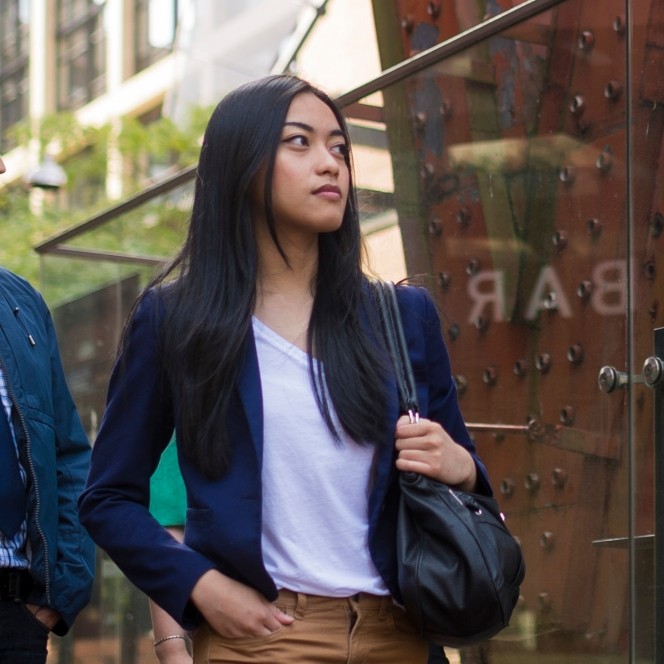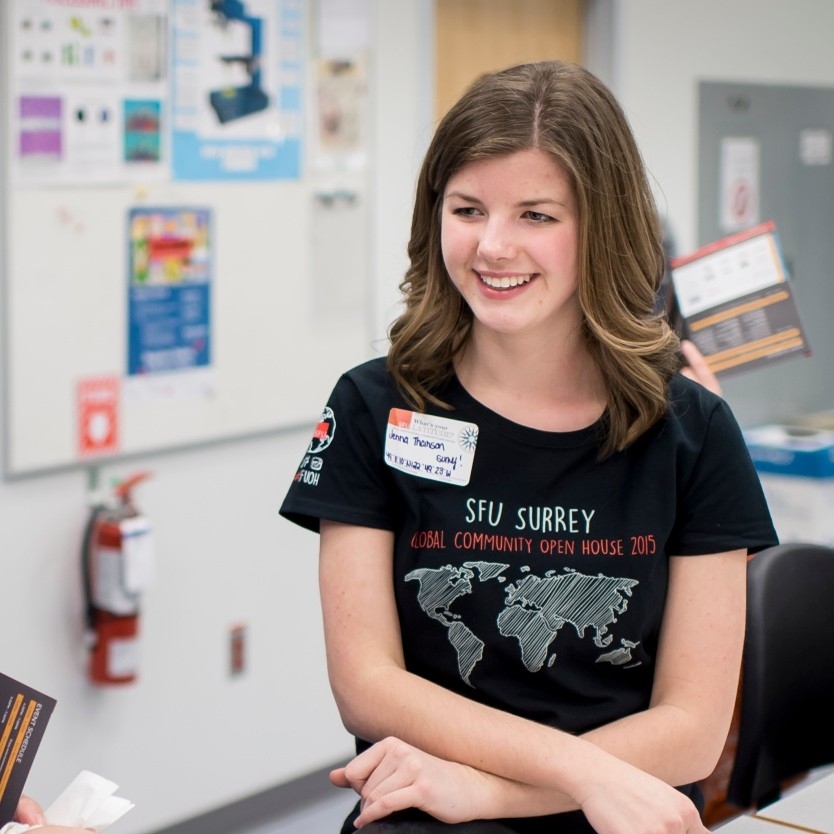
ABOVE: Health Sciences Co-op students Lindsay Belvedere, Martyna Purchla, Silvia Mora and Christine Lukac provide an eye-opening personal account of the human trafficking industry in India and the work that Destiny Reflection does to support change for these woman survivors.
We're glad you've made the decision to see what Health Sciences Co-op is about and how it can help you achieve your goals and gain experience. Please browse through our site to learn more about the program and feel free to contact us if you have any questions or comments.
If you're interested in joining co-op but not sure if you qualify, please contact us and discuss this with a coordinator instead of assuming that you're not eligible.
We look forward to working with you.
Further updates to Destiny Reflections: BAGS project
Student initiative empowers human-trafficking survivors
The sight of an apple slice was all it took for a human-trafficking survivor to bound up and down in excitement from behind her sewing machine in a Calcutta seamstress shop.
The former sex-trade worker was only used to eating fruit on special occasions and she couldn’t understand why three Simon Fraser University students, in India for a co-operative education program, were offering her such a delicacy.
“That was definitely an experience that touched me,” said health sciences student Christine Lukac, adding the knowledge that something so simple could bring such joy inspired her and her classmates to create the Better Alternatives for Girls Survival (BAGS) initiative.
The students began importing SFU-branded tote bags, yoga mat bags and even pencil cases from the Destiny Reflection seamstress shop — which only employs survivors of human trafficking and sexual exploitation — last summer to sell at the university’s bookstore.
While BAGS makes some profit from the sales to cover the cost of shipping and duties, most of the proceeds go back to the women at Destiny Reflection, where the human-trafficking survivors make about $3.50 a day.
Lukac said it’s time Canada steps up by creating its own human-trafficking awareness day, similar to the one the U.S. officially recognizes on Friday.
“People don’t realize human trafficking is something that occurs not just in developing countries,” she said. “Human trafficking is an issue in Canada and I think it’s under the radar at the moment.”
In 2011, when Lukac spent three months in Calcutta, Destiny Reflection had only about a dozen women employed in the shop. The business has now experienced enough success to employ even more.
“That’s four more women who don’t have to be working in the red-light district any more,” Lukac said.
http://vancouver.24hrs.ca/2013/01/10/student-initiative-empowers-human-trafficking-survivors