

- Programs
- Students
- Research
- Giving
- About
- Events
- News
- REDIRECT ONLY
- Sea, Land and Sky Initiative
Bridging Environments
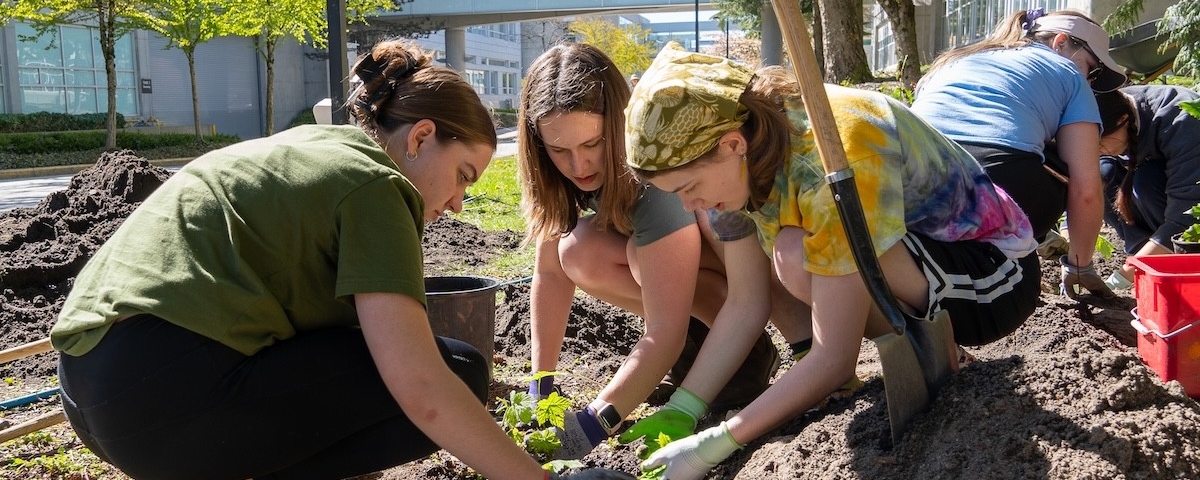
Bridging Environments is a community outreach program that connects current SFU Environment students with local high school Environment/Green clubs and supports them with completing a project based on a central theme.
The aim is to provide knowledge-based mentorship that empowers students to implement projects that support sustainability in a variety of ways. This is a great opportunity for high school students to make connections with university students studying the environment and to carry out an impactful project.
If you would like your club to participate in the program, please email Narges for more information!

Narges (she/they), Program coordinator
I believe making a difference can start wherever you are—through community, relying on one another and practice of care.
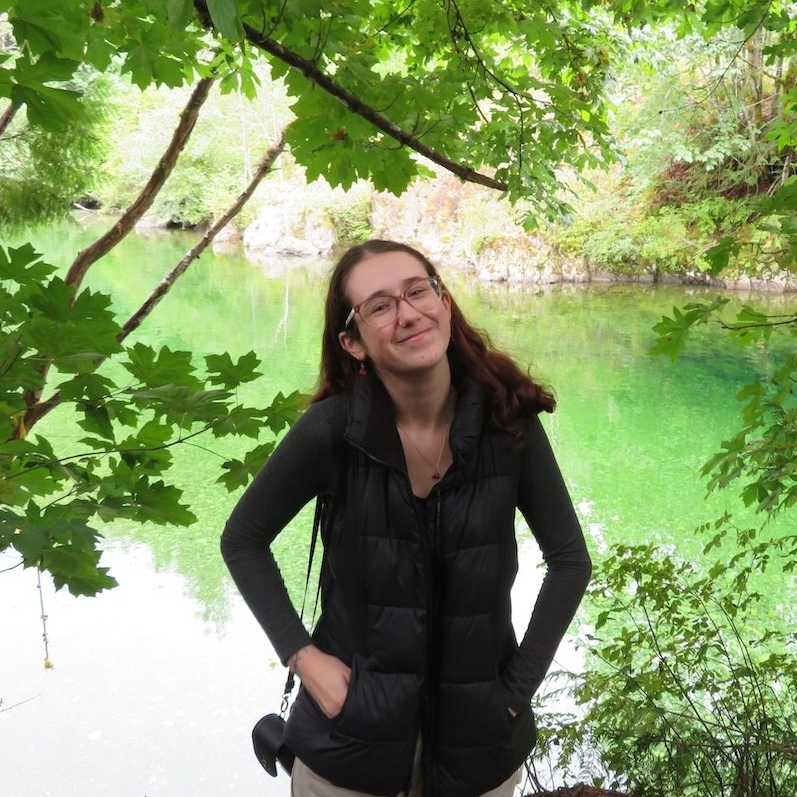
Alexia Ficzay, Environmental Science
I am passionate about nature, salmon conservation, and connecting environmental science to real community issues. I love sharing knowledge and working with others to find creative solutions to problems. I’m motivated by the hope of creating a better world for future generations and supporting younger students as they become more informed and (hopefully) engaged with environmental challenges.
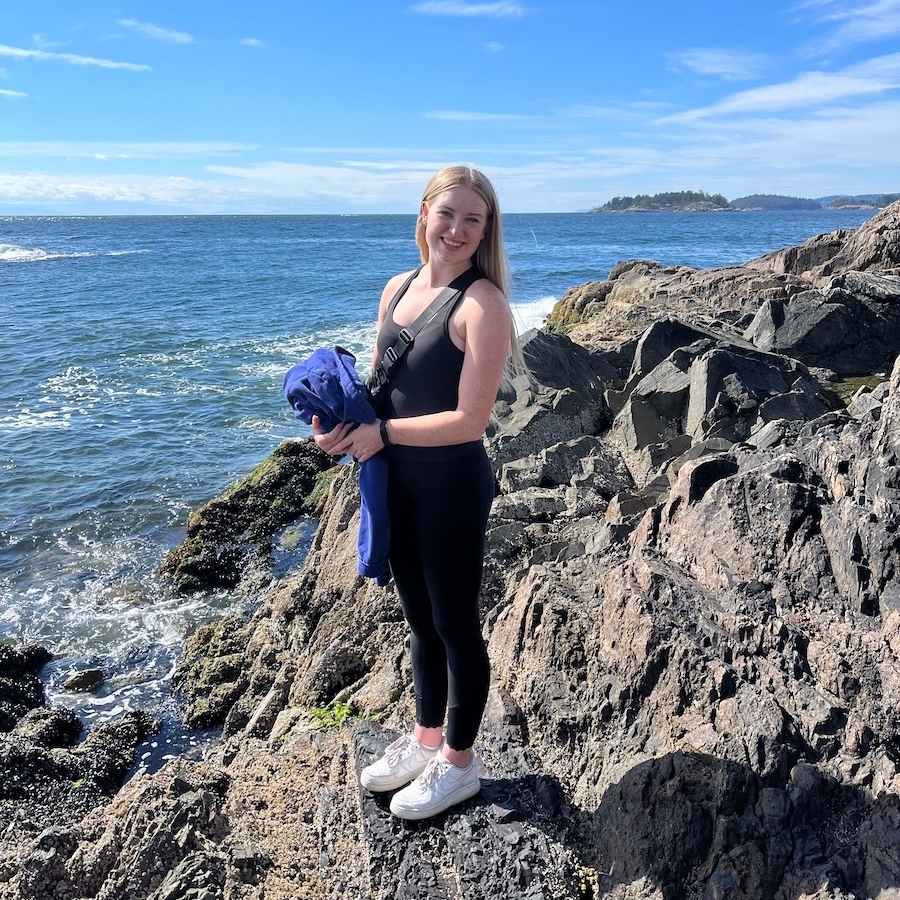
Alyssa Smith (she/her), Human Geography
I’m Alyssa, a fourth-year Human Geography major with a Certificate in Urban Studies at SFU. I’m passionate about creating more sustainable and inclusive cities and exploring how urban planning can balance growth with social and environmental sustainability.
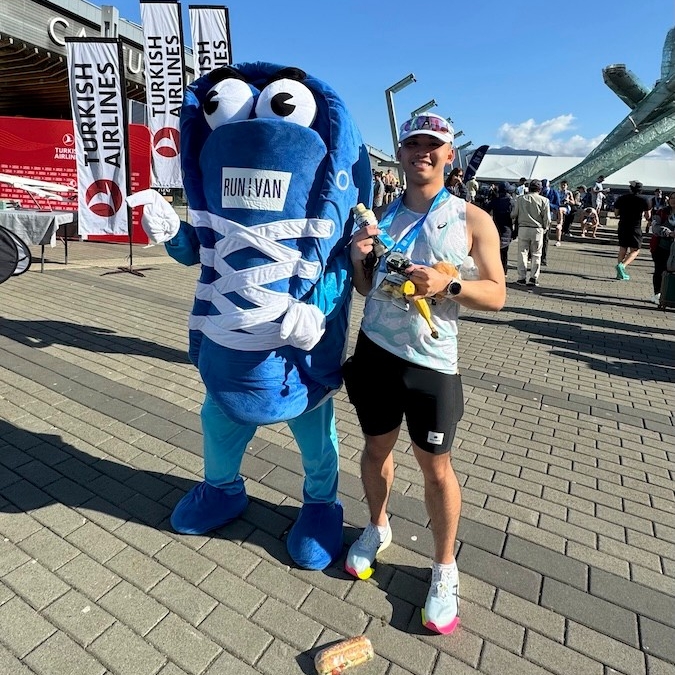
Andrew Do, Environmental Science
I’m deeply interested in toxicology and its impact on environmental policy. I’m driven to connect laboratory research with real-world regulation, ensuring chemical safety decisions are evidence-based and prioritize both human and ecological health.
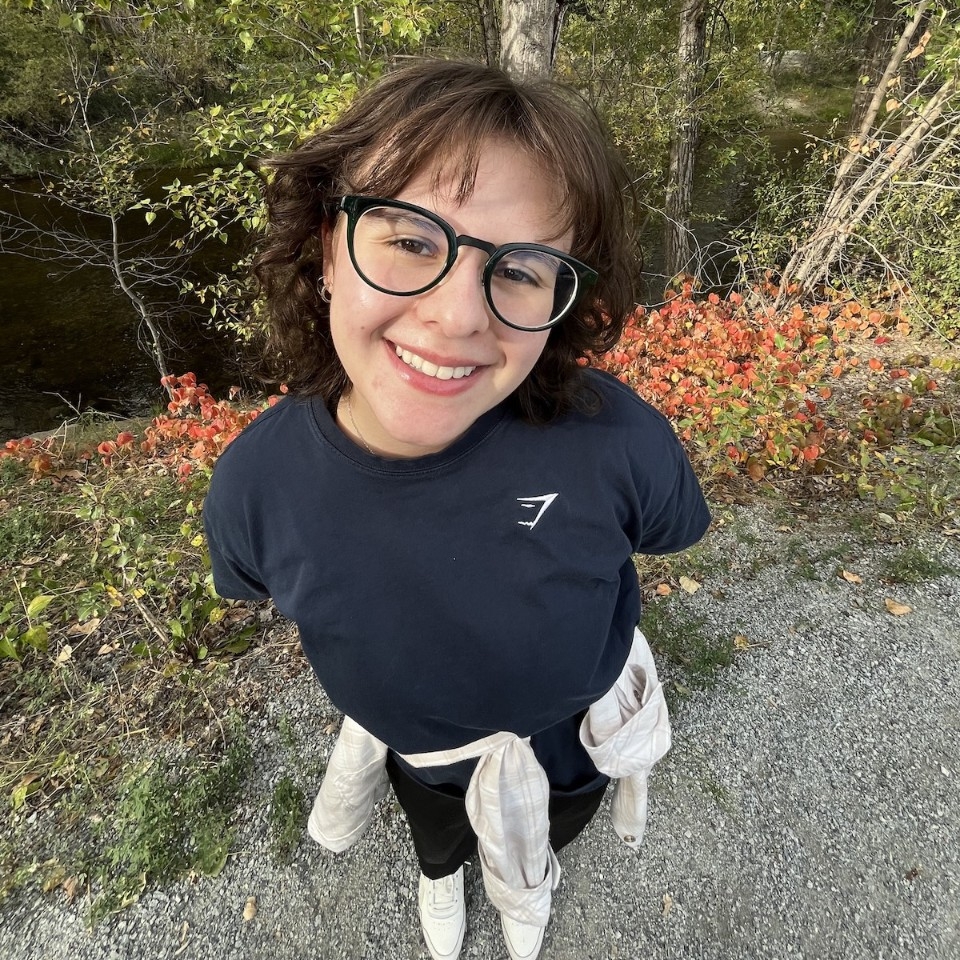
Ava Ferenc (she/her), Global Environmental Systems
I'm in my last year of my major in Global Environmental Systems and am interested in sustainability, physical geography and strengthening environmental policies. I have experience in student governance and advocacy and I'd love to collaborate with a group of passionate students who want to make a positive change!
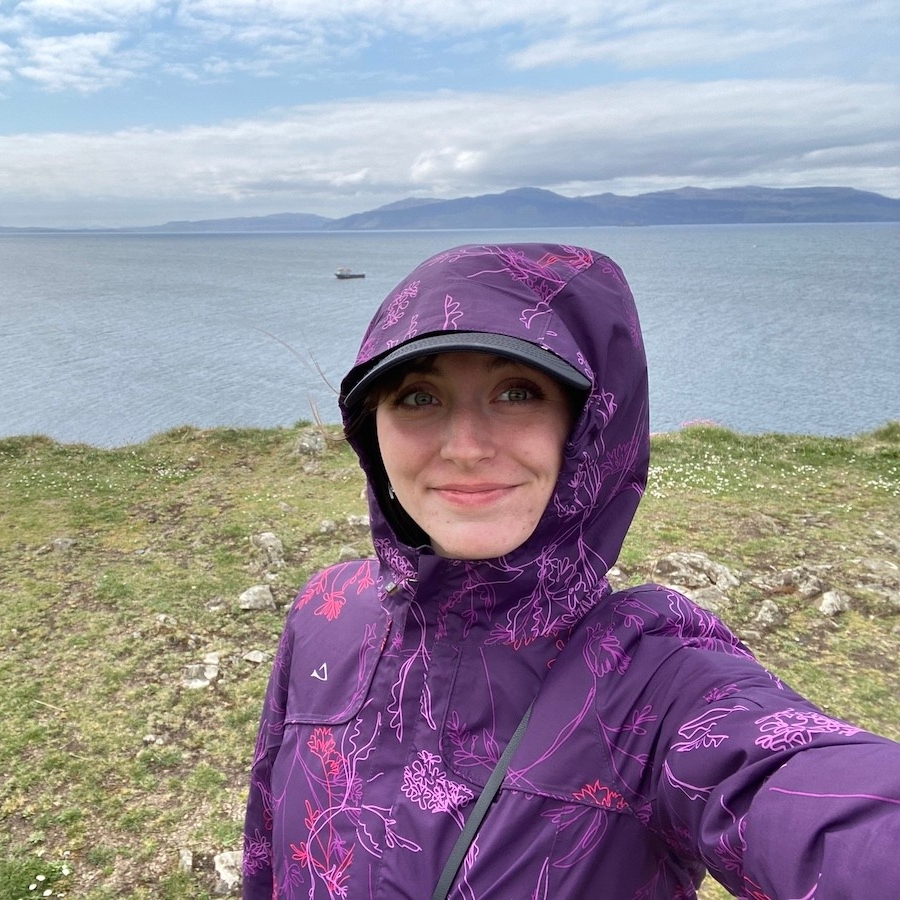
Cora Dickson, Human Geography
Hi I’m Cora! I’m currently a third-year Human Geography student with a certificate in Spanish studies. I love getting outdoors and learning more about nature. I’m interested in urban studies and linguistic geography. In my spare time, I love practicing fibre arts!
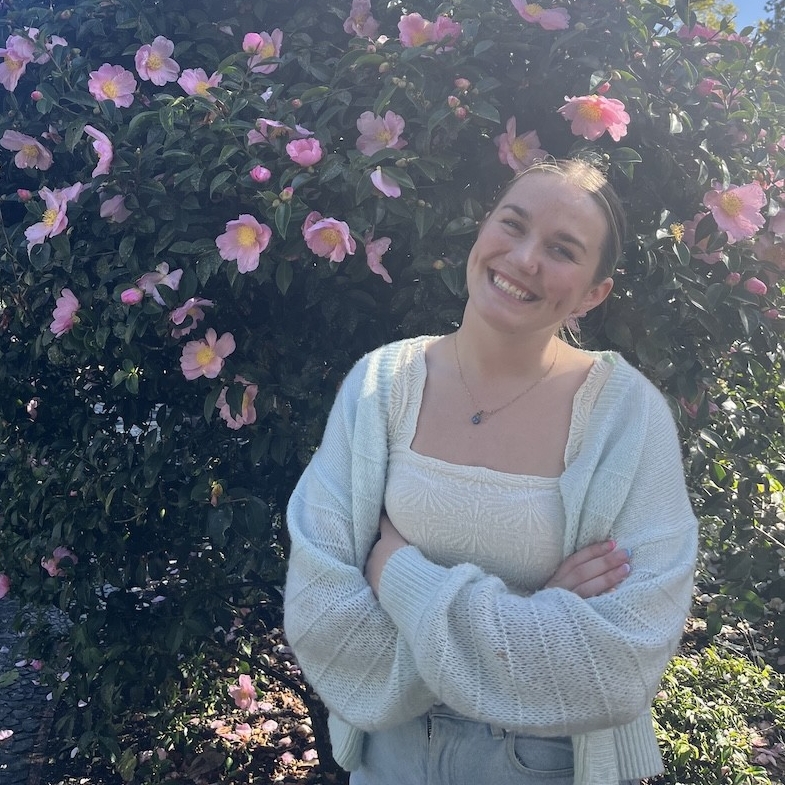
Grace Arnott, Human Geography
Hi, I’m Grace, a Human Geography major with a History minor and Urban Studies certificate at SFU. I’m passionate about how urban spaces shape social experiences and equity. I’m motivated by creating inclusive, sustainable communities and inspired by connecting people through education, mentorship and collaboration.
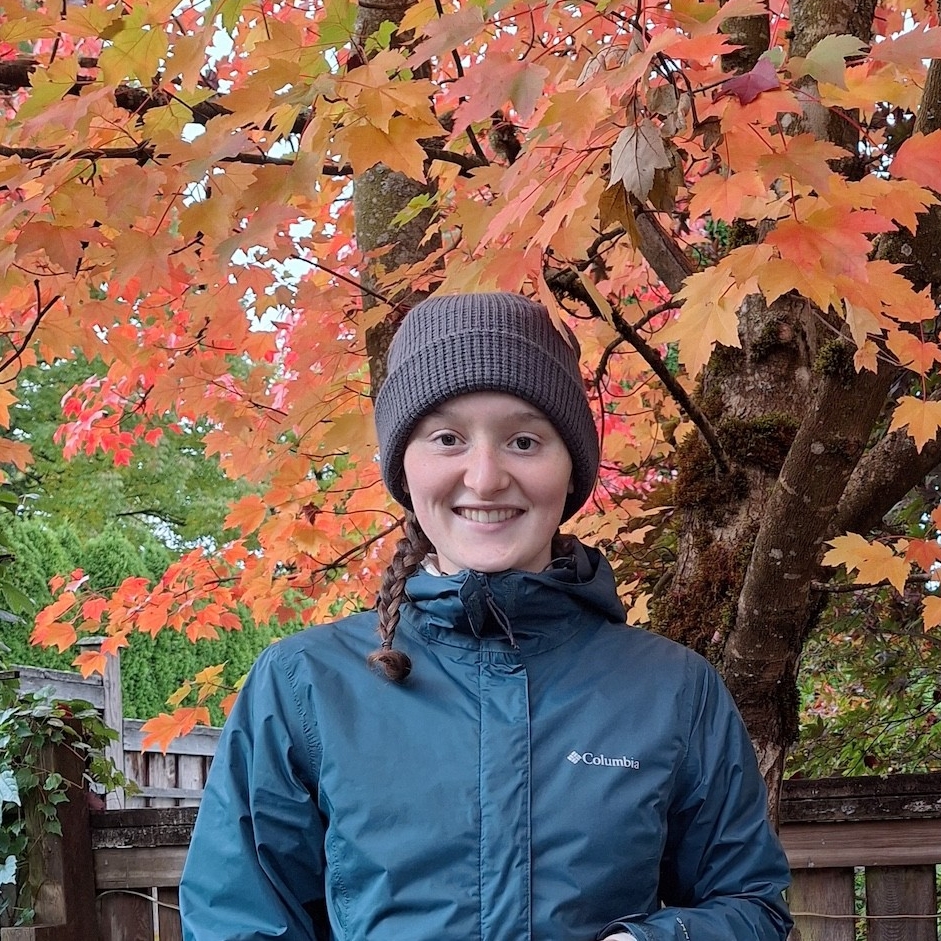
Kaitlyn Heslop, Global Environmental Systems
I am in my fourth year of my Bachelor of Environment Degree in Global Environmental Systems. I am passionate about reducing my environmental footprint and inspiring others to do the same. I also enjoy running and coaching youth in sports.
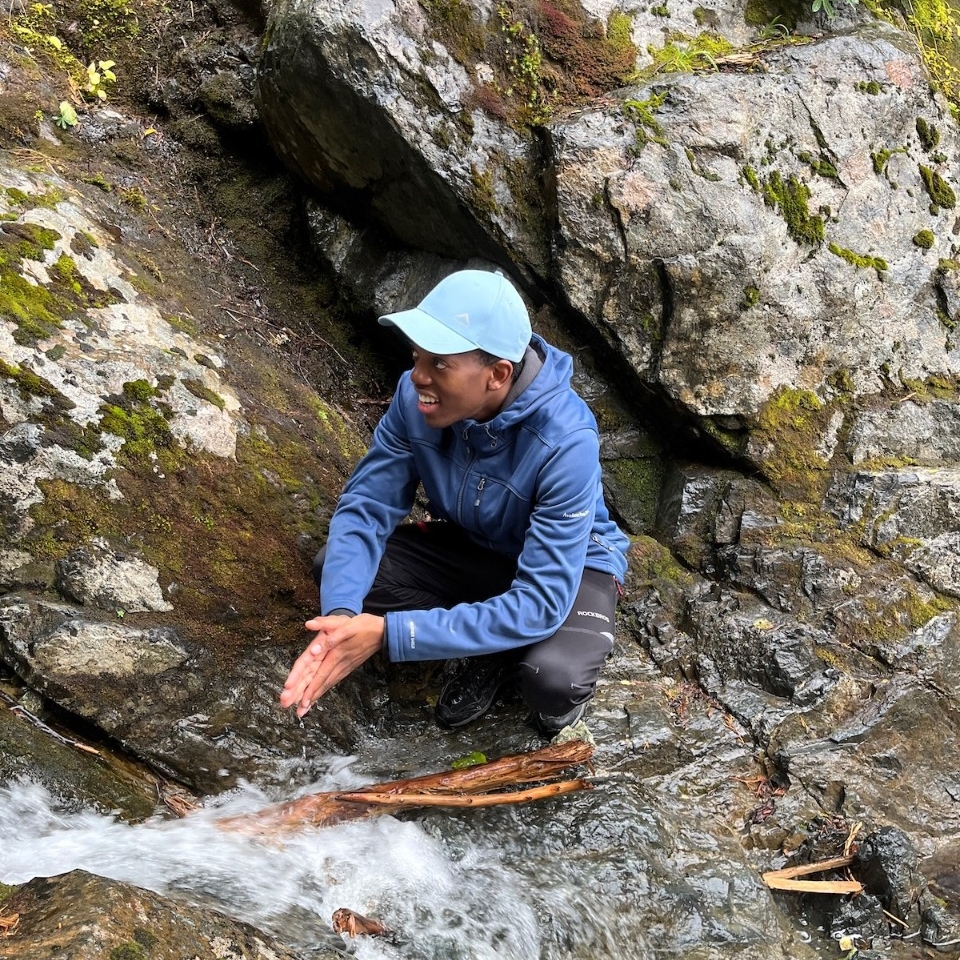
Laurence Magenga, Geographic Information Science (GIS)
I am passionate about exploring and preserving our environment, which aligns with my love for outdoor activities like hiking, kayaking, playing golf and go-karting. These activities not only bring me joy but also deepen my appreciation for nature's beauty. I also enjoy reading novels and I am continually motivated by opportunities to learn new things and challenge myself.
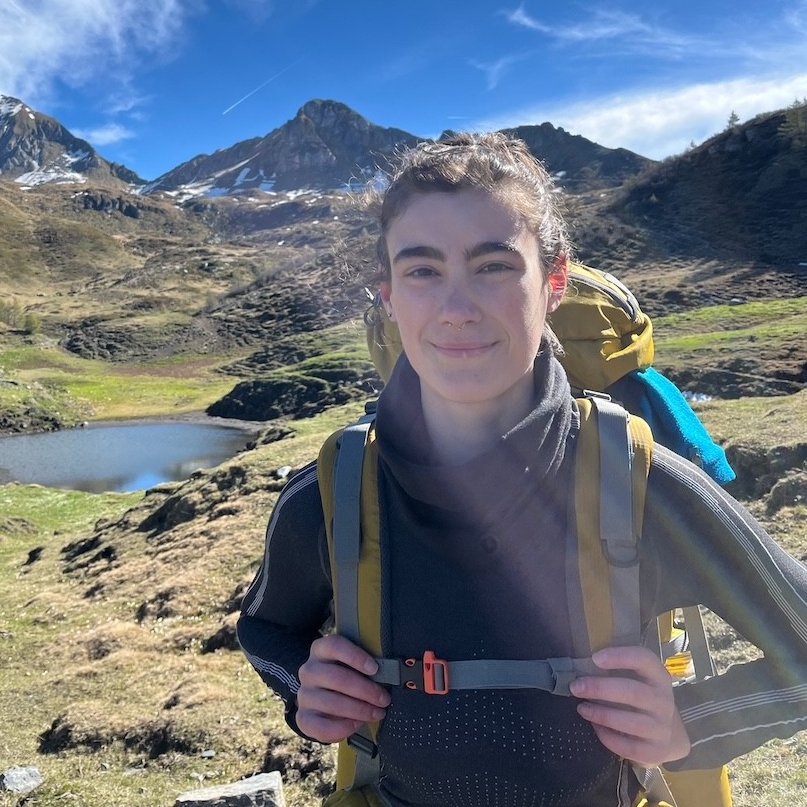
Samantha Brown, Environmental Science
Hello I'm Samantha! I'm a student in Environmental Science interested in the intersection between biology and geomorphology (ecogeomorphology) — especially freshwater systems. I am also an avid gardener and forager!
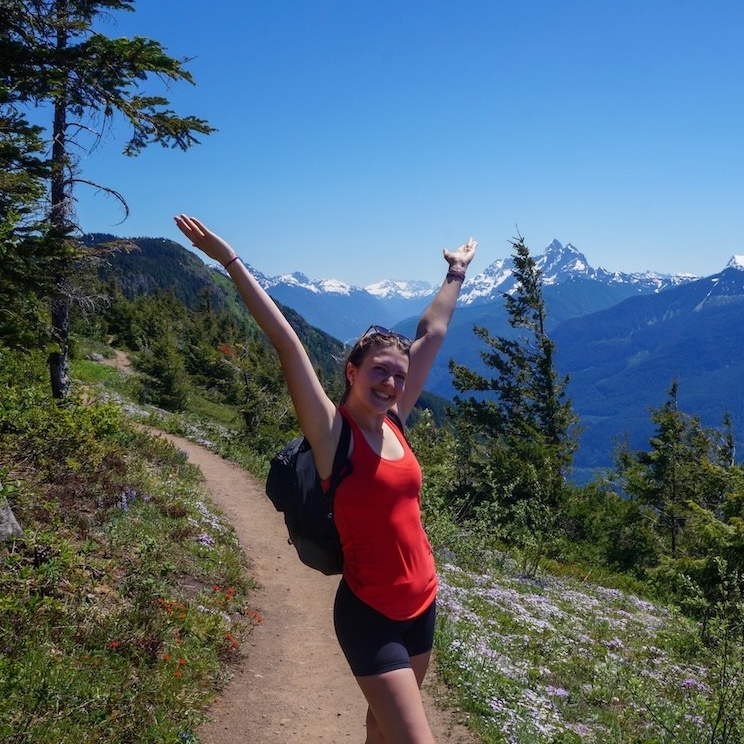
Stella Hunka, Resource and Environmental Management
Hi, I’m Stella! I am in my third year of Resource and Environmental Management, with a minor in Sustainable Development. I am passionate about creating sustainable food systems in British Columbia, and learning new ways to mitigate food waste. I love spending time by the water, especially looking for orcas or seals.
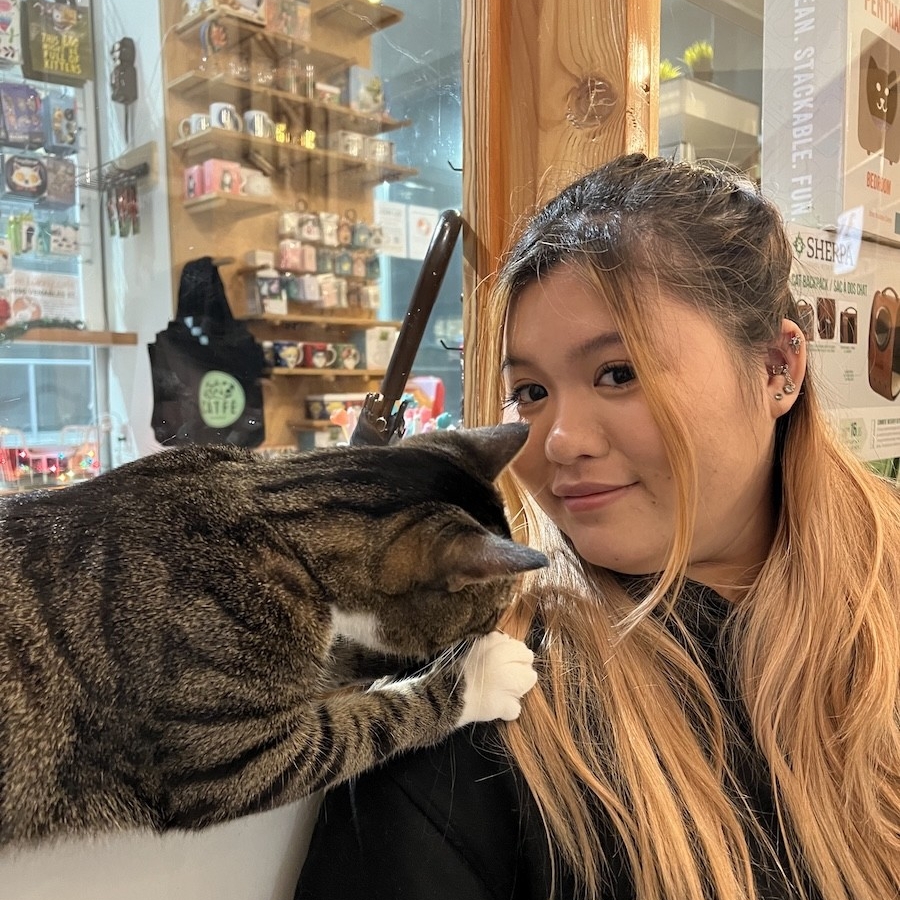
Victoria Yip (she/her), Human Geography
I'm Victoria, a fourth-year Human Geography student with a sustainable development and urban study certificate. I’m passionate about exploring new ways to integrate sustainable concepts into everyday urban life, especially as more of us live in increasingly urban environments.
Zeenet Rostainajad, Human Geography
Hi, my name is Zeenat. I’m currently in my fourth year majoring in human geography with a minor in sustainable development. I am passionate about creating sustainability initiatives and collaborating with people that also care for the future! Outside of school, I’m into hiking and outdoor bouldering in Squamish.
2026
Burnaby Mountain Secondary School
The Earthwise Club's Unwrap from Single-Use project aims to improve recycling habits of Burnaby Mountain Secondary School students through infographics and signage around the school. Its second goal is to change the packaging of popular cafeteria items to more environmentally friendly alternatives.
Mentors: Alexia Ficzay and Kaitlyn Heslop

Centennial Secondary School
The Centennial Trash Club's Eco Link project delivers age-appropriate environmental education sessions at elementary schools like Parkland Elementary, focusing on proper waste sorting, pollution and the lifecycle of trash.
Through interactive presentations and hands-on activities, the project aims to build early environmental awareness and encourage responsible habits in young students.
The Centennial Trash Club won a FENV Changemaker Award in the Bridging Environments Category in 2026 and received $200 to support their project.
Mentors: Alyssa Smith and Victoria Yip and Zeenet Rostainajad


Moscrop Secondary School
Moscrop's Gardening Club created the Compost Collective to work to establish a new, lasting composting system. This will improve sustainability efforts by reducing food waste and creating a cyclical system. It also eliminates the need for the club to purchase additional fertilizers and increases capacity to provide additional food security to students in need.
Mentors: Cora Dickson and Samantha Brown

Pinetree Secondary School
The Pinetree Environmental Club created the Waste Sorting Revision project to build on last year’s project to implement and improve proper waste sorting at Pinetree Secondary by designing and installing plexiglass displays for multi-stream waste bins.
This will make it easier for students and staff to correctly sort their waste into recycling, garbage and compost, helping to reduce contamination and create a cleaner, more environmentally conscious community.
Mentors: Ava Ferenc and Laurence Magenga

Riverside Secondary School
Riverside Secondary Environment CLub's Recycling Awareness Campaign is a survey of the Riverside Secondary School community to determine their understanding of recycling.
The result will inform research and raise awareness about recycling and its environmental impact at an interactive booth. This project is designed to be ongoing and adaptable for future students to build on, refine and expand in scope for lasting engagement with sustainability.
Mentor: Andrew Do

2025
A.R. MacNeill Secondary School
Project Evergreen is an initiative at MacNeill Secondary School to improve recycling awareness and practices, with an overarching goal of cutting down the total amount of waste generation by staff and students. Success in this campaign will be measured through the overall decrease in waste during the next district-wide garbage audit, alongside the results from a survey the team will be sending around the school approximately two weeks after the campaign.
The project aims to contribute to positive change by decreasing the unsustainable dumping of unsorted waste on our shared planet and promoting lifelong recycling habits for staff and students.
A.R. Macneill won the 2025 FENV Changemaker Award in the Bridging Environments Category and received $200 to support their project.
Mentor: Ryan Yu

Burnaby Mountain Secondary
Burnaby Mountain Secondary's Earthwise Club collected data about usage of single use plastic within the school cafeteria. Then, by tracking single-use plastic consumption in the school cafeteria, students aied to raise awareness and reduce its usage through data-driven initiatives.
Success was measured by successfully implementing a survey and achieving the target sample size of over 100 respondents, and ensuring demographic representation across different student groups. Then using the data collected to create targeted initiatives to address problem areas and propose alternatives to single-use plastic.
This contributes to positive change by reducing plastic waste entering landfills and oceans from the Burnaby Mountain Secondary community and decreases the carbon footprint associated with single-use plastic production and disposal. It also empowers Burnaby Mountain Secondary students to participate in environmental decision-making within their school and demonstrates how local actions connect to global environmental justice issues and builds momentum for broader sustainability initiatives in the school system.
Vivi and Alex Szentirmai won a City of Burnaby Environmental Star Award in the youth category in June 2025 for their work co-leading the project.
Mentors: Laurence Magenga and Zeenet Rostainajad

Pinetree Secondary
Students at Pinetree Secondary are reducing waste through visual infographics placed on various waste bins, and improving overall education and awareness of proper sorting techniques. Success will be measured using before and after photos of waste bins at the school. Before photos show what is being thrown in garbage/recycling/compost before the informational posters are put on the bins. After photos show what is being thrown in garbage/recycling/compost after the informational posters are put on the bins.
This contributes to environmental sustainability in many ways. One way is through building habits in young people so that they know how to sort their waste when they finish school and move out, having to then sort their own household waste. Another way is that it improves cleanliness around the school, keeping rodents and other pests away. Lastly, it will help to reduce contamination by improving waste sorting practices. Previous items being thrown into recycling that contaminated the bin such as food soiled cardboard that then contaminated other recycling items might now be put in compost for example.
Mentor: Tim Baker

Riverside Secondary
Students in Riverside Secondary's Environment Club set out to gain insight into the garbage, recycling and compost sorting habits of staff and students at Riverside. They aimed to improve sorting habits near the cafeteria with hopes of expanding the project around the school. They conducted a survey wherein two club members observe sorting habits of a particular trash sorting bin over the lunch break before and after displaying a poster with examples of items that are compost, recyclable, or garbage. Club members will make note of whether people are sorting their items appropriately or not.
Pollution from plastic waste and other materials are extremely damaging to the environment. By encouraging and educating staff and students about how to correctly sort items, students are preventing recyclable and compostable materials from ending up in landfills. This project promotes sustainability through circularity and allowing materials to take on a second life!
Mentor: Ava Ryalls

2023
Thomas Haney Secondary, Maple Ridge
This year, Thomas Haney's Eco Action Club focused its efforts on an education campaign to answer the question, "What does it mean to be a steward of the land?" The purpose was to raise awareness about sustainability and our connection to the land within their school community. They also had a variety of other objectives, such as community clean-ups, planning Earth Day events, and even started constructing a waste sorting robot!


Burnaby North High School
The Bridging Environments program worked with Burnaby North High School on a project to identify, educate, and reassure students about environmental concerns. The project aimed to bring optimism and motivation for continual change and impacts. The team created an in-depth survey using Survey Monkey to gather responses from over 140 students about how the environment affects their emotions. They advertised the survey through the school's leadership program and mental health/environmental club via Instagram stories, posts, bulletins, and QR codes. The team collaborated and researched multiple topics with mentors to determine what environmental impacts students were concerned about, how environmental topics were typically perceived, and how students felt about the current global environment based on personal experience and media portrayals.
Gladstone Secondary
Gladstone Secondary School worked towards improving the school's recycling practices. The project aimed to improve sustainability practices by providing a quality recycling program at school to incorporate sustainability into students' and staff's lives. The project was targeted towards everyone at school, including staff and students. The team collaborated with school administration and waste engineers, conducted a waste audit of a compost, recycling, and garbage bin, and identified important goals to work on for the next year, including improving the accessibility of recycling bins and raising awareness about proper disposal. The team also worked on creating infographics, implementing media campaigns, and outreach.
2022
Thomas Haney Secondary, Maple Ridge
Thomas Haney’s Eco Action Club worked on an awareness campaign by facilitating and promoting activities at their school such as a walk with nature, spring cleaning, and gardening. They also contacted the company that processes the recycling for their school and requested a waste audit – once they receive the data, they plan on spreading awareness to their school community about where their waste goes.


Killarney Secondary, Vancouver
Killarney’s Environment Club was concerned about the incorrect disposal of the popular ramen noodle bowls sold at their school store, so they researched replacements as well as disposal options, and began campaigning to raise awareness about how to properly dispose of the bowls. They also worked on designing an environmentally themed mural to be painted at their school.
During Earth Week, the club members organized and promoted a session, presented by SFU Faculty of Environment students, which focused on how to get involved in environmental action inside and outside of university.
Fraser Heights Secondary, Surrey
Fraser Heights’ Environment Club worked on executing a school-wide event to promote recycling as well as celebrate Earth Day. The club was inspired by a recycling program already in place at their school where empty tissue boxes are used to collect used markers for proper recycling.
To promote the existing recycling program, the Environment Club ran a Tissue Box Decorating Competition where participants would decorate an empty tissue box with materials of their choice. The club encouraged participants to think about and display the environmental impact of the materials they used in their final piece. The club then chose a winner which received some ethical SFU Environment SWAG as a prize. The club also ran a DIY bird feeder activity where students learned how to create their own bird feeder to bring home.
The Environment Club along with mentors Theresa, Irina, and Natasha created a short video discussing recycling from a university student’s perspective which they plan to show to other Fraser Heights students. The video can be viewed here.


Burnaby South Secondary, Burnaby
Inspired by the first workshop’s Keynote Speaker from Ban the Bottle, Burnaby South’s Green Team decided to work towards banning the use of plastic water bottles in their school. They began by attending a SFU Ban the Bottle meeting to learn more about the SFU club’s experience in successfully banning all plastic water bottles from SFU campuses.
With guidance from their mentors Jamie, Omar, and Erin, the club met with school administration to propose their idea and emphasize its importance. After these meetings, and due to delays from the covid-19 pandemic, the club shifted their timeline and focused this year’s efforts on building awareness within their school community so that they would have more support when taking further steps the following year. They planned a social media campaign, as well as newsletter blurbs to get the word out about the importance of no longer using single use plastic water bottles. The Green Team and Mentors hope to continue their ambitious yet important project next year and already have brainstormed plans to do so.
2021
R.E. Mountain Secondary, Langley
R.E. Mountain students are a highly organized group, and ambitiously revived their school’s aquaponics system, which uses fish feces to fertilize plants for cultivation. Over the last several months, they researched how to build the system, get it operating, secure funding, and create educational material for their school community. The system will be operational in the fall. Students found this program valuable to learn more about environmental action and provided a glimpse of how to get involved when they go to university.
“Having the experience to work alongside Mentors who are more knowledgeable about topics we are passionate about is really nice”, one R.E. Mountain student says.
We are impressed by this dedicated group of students, along with their SFU Mentors Gabrielle and Odessa.
Killarney Secondary, Vancouver
Killarney’s Environment Club decided to bring awareness to the excessive items we own. They ran a donation drive with two other clubs at their school, Keyclub and Female Empowerment, resulting in 300 items being donated to the MCC Thrift Store! The students running this drive say they learned about project planning and effective communication. They got to see the benefits of zero-waste thinking in action. Kudos to them, and their awesome SFU Mentors Flora and Helen.
Burnaby Mountain Secondary, Burnaby
Our neighbours down the hill approached their project through the lens of climate justice. The Earthwise Club created a 30-minute recorded webinar to educate the community on the Trans Mountain Pipeline expansion project. They presented facts, concerns, and the significance of the pipeline for the environment and local Indigenous peoples. Amazing work Earthwise team, and their SFU Mentors Kiana and Bradley!
“Taking on this initiative with a group in which each person shares the common passion for saving our planet was overall a very enlightening and fun journey” says the club leader.
“Thank you so much for your dedication mentoring [our club]. You’ve made a huge difference within our school environmental initiatives!”
— Teacher/Club Sponsor
“I am so grateful that our club was able to participate in this program! The students were inspired to know that there are post-secondary opportunities and jobs in the field that they are passionate about. The students expressed how ‘cool’ it was to see young people involved in environmental sciences and they felt that it was a field of study that they could pursue as well. The mentors were good listeners and provided great resources for us to explore. I think programs like this are invaluable in ensuring that education about environmental issues are happening at all levels of education.”
— Teacher/Club Sponsor
"I am so grateful for the Bridging Environments program as it gives our Eco Action club a source of knowledge and a change to build relationships with those working in the Environmental Sciences. The students appreciated the conversations with mentors and the resources that were shared. The mentors were also very encouraging to my students in regard to their project and their passion to be climate activists. This program is a wonderful example of collaboration at different levels of education."
— Teacher/Club Sponsor