

- About
- Research
- Prospective Students
- Current Students
- News & Events
- News
- Events
- News & Kudos Archives
- 2025 Archives
- Thesis Defence - Congratulations to Negin Shooraj
- SFU Geography Alumni Sean Orr wins Vancouver council seat in byelection
- Rosemary Collard awarded 2024 SFU Excellence in Teaching Award
- SFU Students Designed and Developed a GeoApp as a Living Wage Calculator
- Undergraduate students team secures third-place in Canada-wide GeoApp competition
- SFU Geography Wins Big at 2025 CAG Annual Conference
- Thesis Defence - Congratulations to Alex Sodeman
- Thesis Defence - Congratulations to Tintin Yang
- In Memory of Leonard "Len" Evenden, Professor Emeritus
- Gabrielle Wong awarded 2025 Gordon M. Shrum Medal
- Dr. Bright Addae awarded 2025 Graduate Dean's Convocation Medal
- Congratulations to Alysha van Duynhoven for Teaching Assistant Excellence Award
- Wildfires to waterways: SFU Geography grad takes action to protect the environment
- Making a difference on and off-campus: student leader and changemaker, Gabrielle Wong, awarded SFU convocation medal
- 2025 Alumni Newsletter
- Kira Sokolovskaia wins the 2025 SFU ECCE GIS Scholarship Award
- Mapping a path to City Hall: SFU alumnus shares journey to becoming Mayor of New Westminster
- Thesis Defence - Congratulations to Alysha van Duynhoven
- Thesis Defence - Congratulations to Hannah Harrison
- Thesis Defence - Congratulations to Jade Baird
- Thesis Defence - Congratulations to Ashley Tegart
- Rethinking the World Map: Dr. Shiv Balram featured on CBC
- Thesis Defence - Congratulations to Véronique Emond-Sioufi
- SFU Geographers at the 2025 International Cartographic Conference in Vancouver
- When academic curiosity meets environmental purpose: new global environmental systems grad builds interdisciplinary foundation at SFU
- Alysha Van Duynhoven wins the 2025 SFU ECCE in GIS Student Associate Achievement Award
- Thesis Defence - Congratulations to David Swanlund
- Congratulations to Our 2025 Warren Gill Award Recipients!
- Thesis Defence - Congratulations to Baharak Yousefi
- Thesis Defence - Congratulations to Tara Jankovic
- Thesis Defence - Congratulations to Christine Leclerc
- Thesis Defence - Congratulations to Kira Lamont
- Terri Evans: Researching homelessness in suburban communities
- Mapping change for people and the planet
- GIS Month: What is Geographic Information Science (GIS)?
- SFU GIS undergraduate develops real-time earthquake monitoring and hospital alert system
- Physical Geography student returns to SFU, dives into marine ecology, soils and GIS to map a new path forward
- SFU study searches Strava to reveal secrets to happier runs
- 2026 Archives
- SFU study searches Strava to reveal secrets to happier runs
- GIScience Students Become SFU’s First Team at National Geomatics Competition
- 2026 ESRI Canada GIS Scholarship for SFU
- Physical Geography student returns to SFU, dives into marine ecology, soils and GIS to map a new path forward
- SFU GIS undergraduate develops real-time earthquake monitoring and hospital alert system
- GIS Month: What is Geographic Information Science (GIS)?
- Mapping change for people and the planet
- GIS Team Crowned Champions of 2026 National Geomatics Competition
- Second-year MSc Student, Erin Fairley, has made it to the SFU 3MT Finals!
- Thesis Defence - Congratulations to Brandon Drucker
- In Memory of Ivor Winton
- SFU Students Create GeoApp to Reveal Transit Deserts and Oases Across Metro Vancouver
- Andrew Perkins receives 2025 Excellence in Teaching Award
- Krista Macaulay Receives Prestigious Trudeau Fellowship
- Human Geography Student Guneet Kaur Receives SFU Centre for Dialogue Award for Undergraduate Research
- Dr. Baharak Yousefi awarded 2026 Graduate Dean's Convocation Medal
- Thesis Defence - Congratulations to Scott Peters
- Gus Schiele wins the 2026 SFU ECCE GIS Scholarship Award
- GES grad maximizes interdisciplinary learning opportunities to tackle global challenges in conservation and sustainability
- Student Stories: Camille Dela Cruz
- Terrestrial ecosystem researcher joins SFU Geography
- Running dry: Cannabis farming is changing streams in California, experts warn
- Thesis Defence - Congratulations to Erin Fairley
- Thesis Defence - Congratulations to Lilian Yang
- Thesis Defence - Congratulations to Stella Harden
- Thesis Defence - Congratulations to Katie Gravestock
- Distinguished Professor Dr. Kirsten Zickfeld recieves highest national academic honour
- Thesis Defence - Congratulations to Babak Kasraei
- Thesis Defence - Congratulations to Tiana Andjelic
- 2025 Archives
- Alumni
- GEOG 162 - Canada
- GIScience Labs
Professional Accreditation
Expand your career options - Register as a Professional Geoscientist or Professional Agrologist
Within Canada, Agrology and Geoscience are regulated professions, just like Engineering or Medicine. In order to use the professional title, Professional Agrologists and Geoscientists must be accredited by the legislating body in the province in which they wish to practice and must conform to the code of ethics and standards of practice outlined by the relevant professional organization (the BC Institute of Agrologists (BCIA) or Engineers & Geoscientists of BC (EGBC)).
Our Physical Geography programs allow you to complete the coursework needed for professional registration. Check out the resources below for additional details. You can also contact an advisor for details on the courses required.
What is the Professional Geoscientist qualification?
Professional Geoscientist
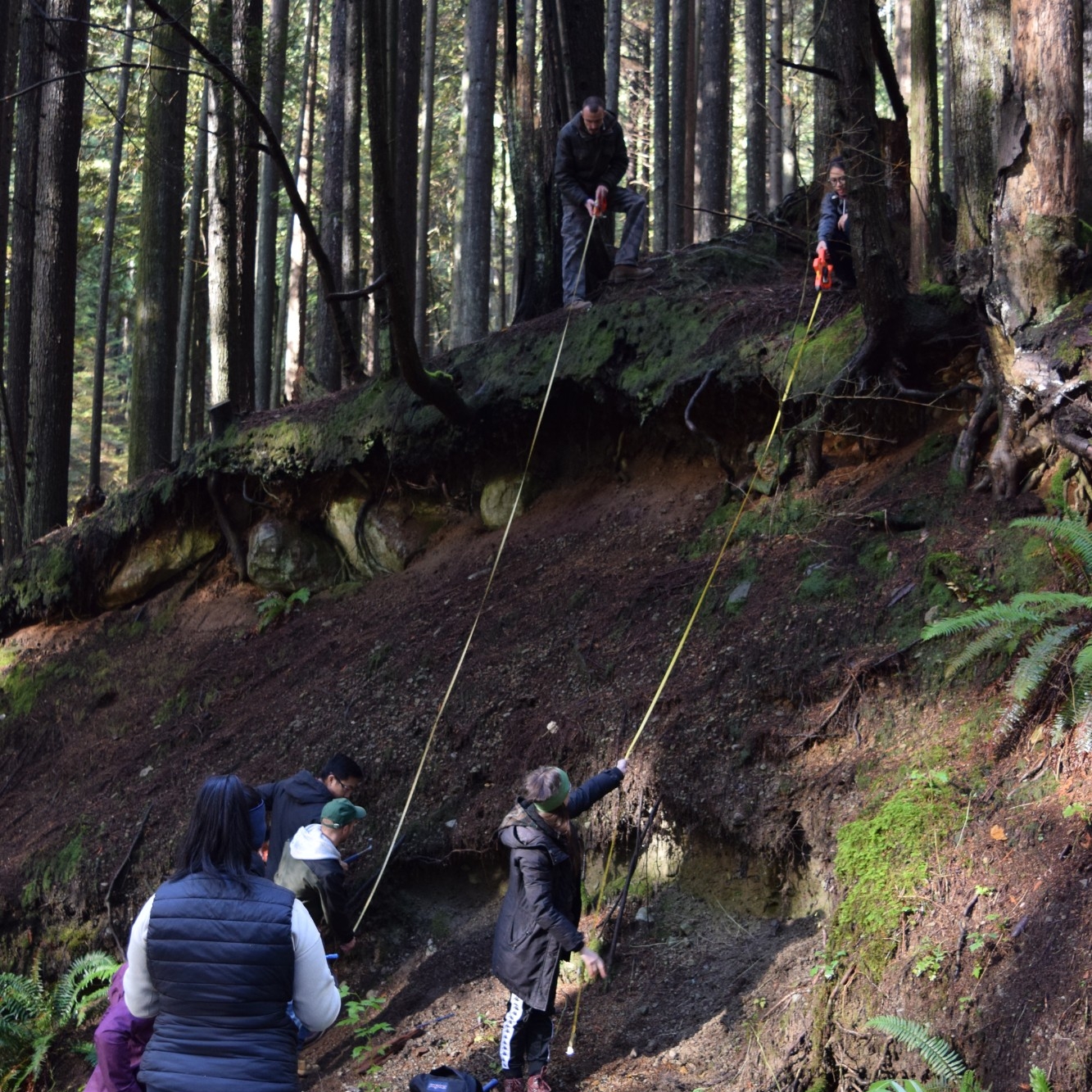
As a regulated profession, registration is required if you intend to work as a Professional Geoscientist (P. Geo., Environmental Geoscience) within Canada.
Professional Environmental Geoscientists work in a wide range of professions. These include environmental monitoring, rehabilitation, planning and public relations, atmospheric science, resource management, terrain evaluation, soil science, forest geoscience, land use planning, mapping of surficial deposits, and the application of remote sensing and GIS.
How do I become registered as a Professional Environmental Geoscientist?
There are four steps to becoming a Professional Geoscientist:
- Complete a University degree in geoscience, including courses required by EGBC* (the SFU Physical Geography Geoscience stream fits the Canadian Council of Professional Geoscientists (CCPG) national syllabus allowing P.Geo.’s to practice throughout Canada);
- Apply to EGBC to become a geoscientist-in-training;
- Gain four years of experience; and
- Pass a professional practice exam
*Contact an advisor for details on required electives
Useful Links
Geoscience Advisory Information & EGBC 'How-to' Guide
Be sure to check out the geoscience advising information for students pursuing P.Geo certification. We've also included a 'how-to' guide to help you use the EGBC SFU Environmental Geoscientist course equivalent listing.
What is the Professional Agrologist qualification?
Professional Agrologist
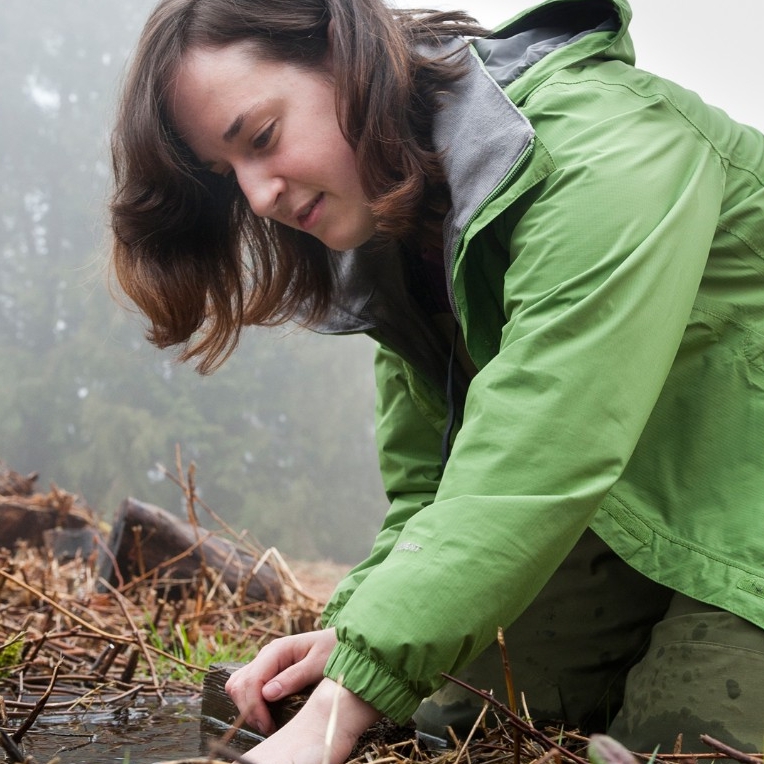
Professional Agrologists are natural resource professionals who work in an array of natural resource sectors, including the agricultural and food sector, forest sector, and environmental science sector.
Agrologists provide many different services including: extension work, consultation, education, research and administration. Many positions in government and in the consulting industry require a scientist to be registered as a Professional Agrologist (P.Ag.) in order to carry out their tasks. In fact, as of September 2022, all agrology services within British Columbia must be provided by a registered professional agrologist.
Within BC, Professional Agrologist registration is administered by the BC Institute of Agrologists (BCIA).
How do I become registered as a Professional Agrologist?
There are four steps to becoming a Professional Agrologist:
- Complete a degree in agriculture or a bachelor’s degree (not in agriculture, e.g., BSc in Physical Geography) that includes the courses needed to fulfill the requirements for P.Ag. status (see 'how-to' guide for assistance)
- Apply to the BCIA to become an Articling Agrologist;
- Gain up to three years of experience then
- Prepare a written review of professional development
Membership
- Annual membership is free to anyone enrolled in an agrology related program: https://www.bcia.com/members/student-membership
'How-to' Guide - BCIA Academic Worksheet
Ready to get started? Use this handy guide to fill out the BCIA Academic Worksheet and see which courses you have left to complete.
Professional Agrology Alumni
At Career Night 2026, we heard from Kathy Ma Green about her path to becoming a Professional Agrologist (PAg) through the BC Institute of Agrologists.
After graduating with a BSc in Physical Geography (Biogeophysical stream) and an Environmental Education minor, she noticed many environmental and land-based roles required a professional designation. She then returned to complete additional coursework, became an articling member and worked toward earning her PAg designation.
Now she is the Executive Director of the Fraser Valley Invasive Species Society. With her professional accreditation, she combines field work, public engagement, and strategic invasive species management in her day to day work.